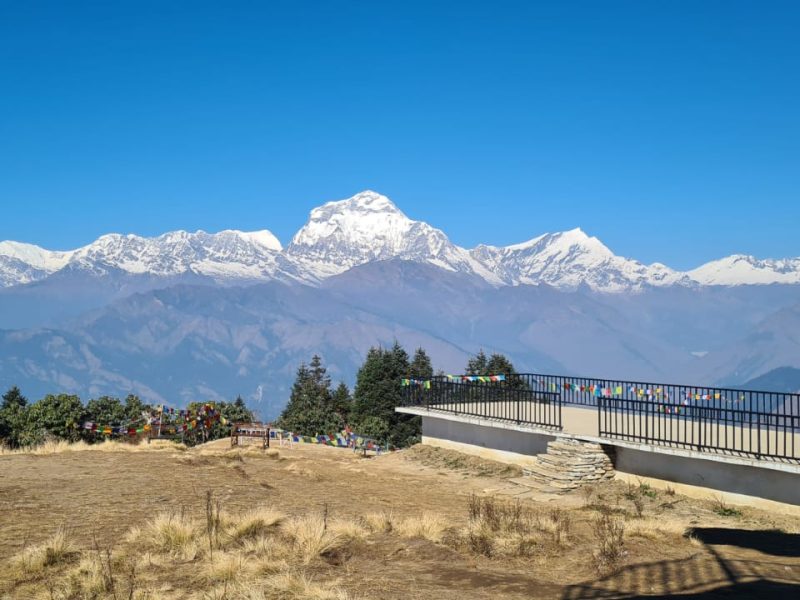
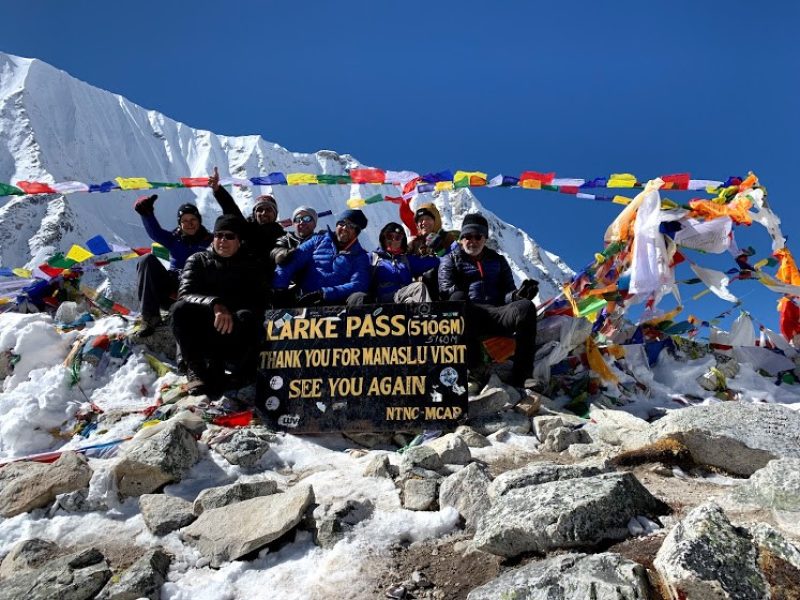
Everest Expedition is the ultimate challenge for climbers who dream of standing on the highest point on Earth. At 8,848.86 meters (29,031.7 feet), Mount Everest offers not only a breathtaking climb but also an unforgettable journey of personal strength and determination. The Mount Everest Expedition is more than just a trek—it’s a life-changing adventure that attracts mountaineers from around the globe.
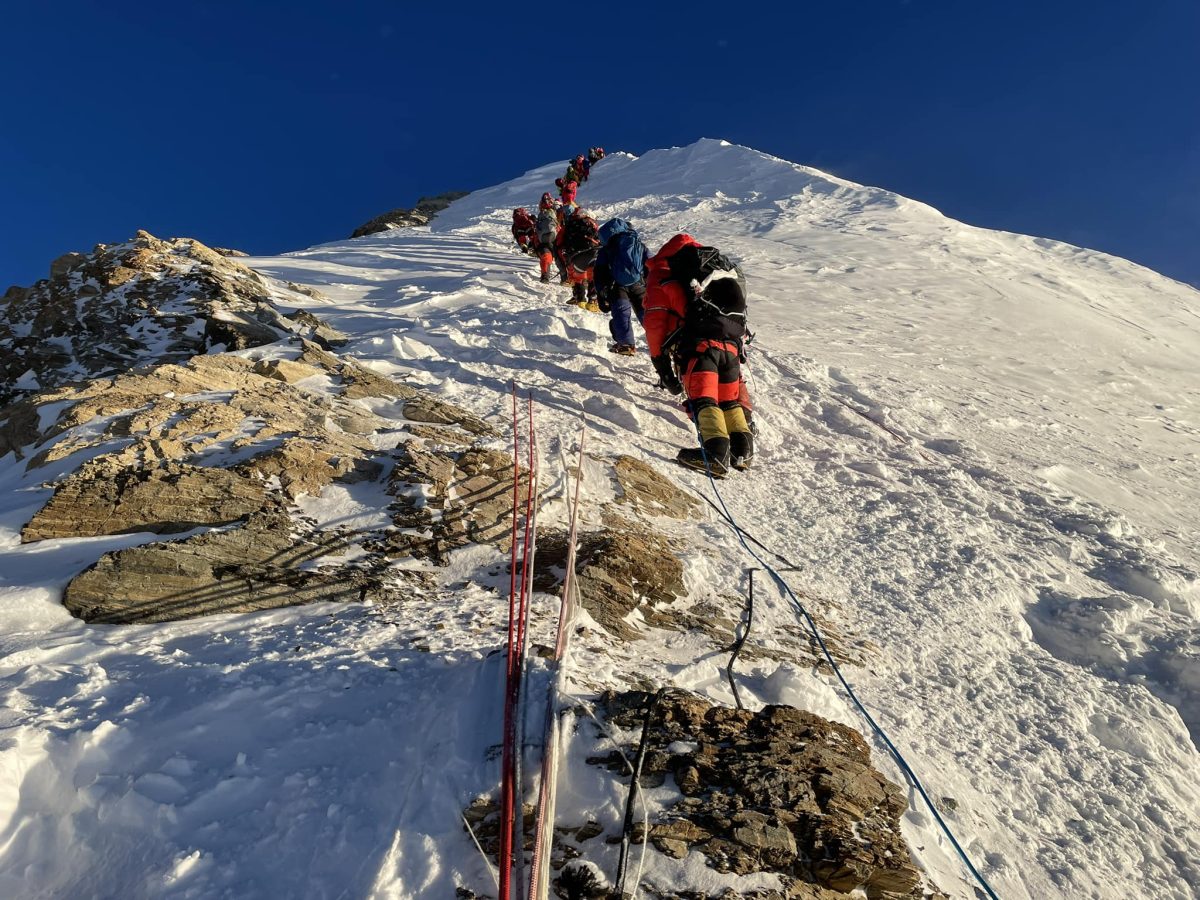
Every year, hundreds of climbers take part in the Everest climbing expedition, especially during the Everest expedition spring season (April to May), when weather conditions are most favorable. The climb typically starts in Kathmandu, followed by a scenic flight to Lukla, and a trek through the Khumbu Valley. From Everest Base Camp to summit, the route includes passing through the Khumbu Icefall, climbing the Lhotse Face, crossing the South Col, and finally reaching the summit during a narrow weather window.
You can choose between the South side Everest expedition from Nepal or the North side Everest expedition from Tibet. Most climbers prefer the Everest Nepal route expedition, which offers better rescue options, Sherpa support, and more established infrastructure. The Lukla to Everest expedition path takes you through charming Sherpa villages, ancient monasteries, and lush forests before arriving at base camp.
Wondering how to prepare for Everest expedition? It begins months in advance. Climbers need a strong fitness level, technical climbing skills, and high-altitude experience. A proper Everest expedition training program includes cardio, strength, and altitude simulation. Your Everest expedition gear list should include high-quality boots, down suits, oxygen systems, ropes, and more.
It’s important to meet the Everest climbing permit Nepal requirements and carry all the needed documents for Everest climb, including a Sagarmatha National Park permit, and have a liaison officer for Everest. Don’t forget Everest expedition insurance, which should cover high-altitude rescue and medical evacuation.
Nature Heaven Treks, we offer a range of Everest expedition packages tailored to different needs. Whether you’re looking for a cheapest Everest expedition, a luxury Everest expedition, or an all-inclusive Everest climb package, we’ve got you covered.
The Everest expedition cost 2026 can range between $55,000 to $70,000, depending on the services included. Our packages include Sherpa support, acclimatization rotations, logistics, oxygen supply, food, and safety management. If you’re planning ahead, we also offer Everest expedition fixed departures for 2026.
What it’s like to climb Everest? It’s a test of both physical and mental endurance. From life at Everest Base Camp to the final Everest summit day, every moment is filled with challenge and reward. You’ll face harsh conditions, limited oxygen, and extreme cold—especially in the Everest death zone above 8,000 meters. With proper Everest oxygen use, experienced Sherpas, and our Everest expedition emergency protocol, your safety is our top priority.
Everest expedition Sherpa support is the backbone of a successful climb. Our Sherpa team sets up camps, fixes ropes, and carries loads. They are trained in crevasse rescue, altitude sickness protocols, and emergency evacuations.
We strictly follow Nepal expedition climbing rules and environmental rules Everest. Our team ensures proper waste management on Everest to keep the mountain clean and respected. The permit fees for Everest and all rules for Everest expedition are handled by our team for your convenience.
If you’re searching for the best Everest expedition company, top Everest climbing guides, and a reliable partner in Nepal, choose Nature Heaven Treks and Expedition. We are proud to offer ethical, safe, and expertly guided Mount Everest climb experiences. Whether you’re a beginner looking to join a group or an experienced climber planning a private ascent, we have the expertise to make your Everest guided expedition a success.
Book your Everest expedition 2026 now with us—trusted Everest climbing agency Nature Heaven Treks and Expedition in Nepal—and take your place on the roof of the world.
Climbing Mount Everest is one of the toughest challenges on Earth. The extreme altitude, unpredictable weather, and harsh terrain make it physically and mentally demanding. At over 8,848 meters (29,029 feet), the air is thin, and even breathing becomes hard. Most climbers use bottled oxygen above 8,000 meters, an area known as the “Death Zone,” where the human body begins to shut down.
The trek to base camp itself takes over a week and requires good physical fitness. Once on the mountain, climbers face steep icy slopes, deep crevasses, and dangerous sections like the Khumbu Icefall, Lhotse Face, and Hillary Step. Each stage requires strength, stamina, and careful planning. Sudden snowstorms, avalanches, or falling ice can strike without warning, adding to the risk.
Mental toughness is just as important as physical fitness. Climbers spend weeks on the mountain adjusting to the altitude, often in freezing conditions and with limited comfort. Fatigue, fear, and isolation are common. Many turn back before reaching the summit. That’s why proper training, a reliable guiding team, and a clear understanding of the risks are essential before attempting an Everest expedition.
Everest Expedition is not just a climb to the world’s highest peak—it’s a complete Himalayan journey offering several trekking options depending on your goals, experience, and time. For climbers attempting the summit of Mount Everest (8,848.86 meters), the trek begins with a scenic flight to Lukla and continues through iconic Sherpa villages like Namche Bazaar, Tengboche, and Dingboche. This standard expedition route follows the traditional Everest Base Camp trail up to Base Camp (5,364 meters), where climbers spend several weeks acclimatizing and preparing for the ascent.
For those who want to experience the Everest Expedition atmosphere without climbing to the summit, trekking to Everest Base Camp is the most popular option. This trek provides stunning views of Everest and nearby peaks like Lhotse, Nuptse, and Ama Dablam, while also offering cultural immersion in Sherpa life. It’s ideal for adventurers seeking a high-altitude challenge without the technical climbing of the summit expedition.
Another exciting option is the Three Passes Trek, which includes Kongma La, Cho La, and Renjo La—three challenging high passes that connect different parts of the Everest region. This trek is perfect for those who want to explore beyond the standard route and get panoramic views of Everest and other 8,000-meter giants. It’s often used by climbers as an extended acclimatization route or by trekkers seeking a more remote and physically demanding Himalayan experience.


Airport–Hotel–Airport transfers in Kathmandu by private vehicle (pick-up & drop-off).
4 nights’ accommodation in a 4-star hotel in Kathmandu.
Single room on a Bed & Breakfast basis.
One Welcome Dinner at a tourist-standard restaurant in Kathmandu with office staff.
Full board meals during trekking and expedition periods as outlined below.
Expedition royalty and Mt. Everest climbing permit issued by the Government of Nepal.
Sagarmatha National Park entry permit.
Pasang Lhamu Rural Municipality entry permit.
Khumbu Icefall climbing fee payable to SPCC (Sagarmatha Pollution Control Committee).
Assistance with cargo clearance at Nepal Customs (clearance charges apply).
Transportation of all expedition equipment:
Kathmandu–Lukla (by air cargo)
Lukla–Base Camp (by porters/yaks)
Return transport via the same route (subject to conditions).
One Government Liaison Officer, including salary, accommodation, and equipment.
Salaries, wages, insurance, food, clothing, and equipment for all Nepalese staff and porters.
Experienced base camp cooks and kitchen helpers as required.
Medical and emergency rescue insurance for all Nepalese staff involved in the trek and expedition.
Trekking and climbing map.
One Nature Heaven Treks duffle bag per member.
Domestic flights: Kathmandu–Lukla–Kathmandu (as per itinerary).
Personal luggage allowance of up to 70 kg per member during the trek (extra weight charged additionally).
Porters for luggage transportation to and from Base Camp.
Three meals per day (breakfast, lunch, dinner) with tea, coffee, and hot water.
Accommodation at hotels, lodges, or teahouses on a shared basis.
Hygienic meals served throughout the trek.
(Private rooms with attached bathrooms available on request at extra cost.)
Three meals daily with tea, coffee, juice, and soft drinks.
Individual box tent for each member at Base Camp.
Dining tent, kitchen tent, toilet tent, and shower tent.
Fresh vegetables, meat, fruits, juice, and soft drinks supplied regularly (supported by helicopter logistics).
Bakery and bar facilities at Base Camp.
Heating system in dining and essential tents.
Solar panels and generator for lighting and charging electronic devices.
Comprehensive medical kit for members and staff.
Two medical checkups per climber at Base Camp prior to summit attempt.
Satellite phone and walkie-talkies for emergency communication (usage subject to charge).
Satellite phone and walkie-talkie permits for all members and staff.
Regular professional weather forecasts from Meteotest (Bern, Switzerland).
Pre-climb training at Base Camp: oxygen usage, mask & regulator handling, ice wall, and ladder training conducted by a UIAGM guide.
1 government-licensed, veteran high-altitude climbing Sherpa per member (1:1 ratio) from Base Camp to summit and back.
Sherpa assistance for carrying personal gear to high camps.
Sherpa salary, equipment, food, clothing, and carry bonuses included.
Route fixing charges included (no extra cost).
5 oxygen cylinders (4 liters each) per member.
3 oxygen cylinders per high-altitude Sherpa.
One oxygen mask and regulator set per member and Sherpa.
Backup oxygen, mask, and regulator available at Base Camp for emergencies (additional charge).
High camp infrastructure at Camps I–IV, including tents, food, cooking gas, pots, ropes, and climbing equipment.
Shared high-altitude tents (2 members per tent).
Kitchen and dining facilities at Camp I and Camp II with dedicated cook.
Official Mt. Everest Summit Certificate issued by MoCTCA (upon successful ascent).
A souvenir memento at the end of the expedition.
International airfare to and from Kathmandu.
Nepal entry visa fee (USD 125 for 90 days).
Lunch and dinner during the stay in Kathmandu.
Extra nights in Kathmandu due to early arrival, late departure, early return, or flight delays/cancellations.
Personal insurance covering trip cancellation, interruption, medical treatment, evacuation, and repatriation (mandatory).
Personal expenses including phone calls, internet, toiletries, hot showers, battery charging, bottled water, laundry, soft drinks, and alcoholic beverages.
Personal climbing and trekking equipment, clothing, bags, and personal medical kits.
Toiletries such as soap, shampoo, toothpaste, tissue paper, etc.
Special filming, camera, or drone permit fees.
Internet service during the trek (available at additional cost).
Summit bonus for each climbing Sherpa (minimum USD 1,800 per Sherpa).
Tips:
Minimum USD 100 per member (each way) for porters and trekking staff.
USD 300 per member for Base Camp and high camp staff.
Any other services or activities not mentioned in the “Cost Includes” section.
Enjoy complete flexibility with private departures available year-round. You can choose your preferred start date, and we’ll handle all the arrangements. Just use the booking form on the top right to select your date and leave the rest to us.
Once you book, your trip is 100% guaranteed – even if you’re the only one. We don’t cancel based on low enrollment. Every trekker receives the same high-quality service, whether solo or in a small group.
If your plans change, you have options. Cancel at least 30 days before departure for a full deposit refund. If canceling within 30 days, your deposit stays safe with us and can be used to reschedule your trek for any future date that suits you.
Welcome to Nepal!
Upon arrival at the airport, our friendly team will greet you with a warm smile and escort you to your hotel. After settling in, take some time to relax or explore the nearby area.
In the evening, enjoy a traditional welcome dinner with fellow travelers and our team — a great introduction to Nepalese culture and cuisine.
If you wish, take a short walk through Thamel’s lively streets before heading back to your hotel for a good night’s rest before your adventure begins.
Over these two days, we will explore the fascinating city of Kathmandu with a sightseeing tour of its UNESCO World Heritage Sites. Our guided tour will include Kathmandu Durbar Square, Pashupatinath Temple, Swayambhunath Stupa, and Bouddhanath Stupa.
While our climbing leaders attend a formal briefing at the Ministry of Tourism, participants will have time to rest and get familiarized with the local surroundings. These days are also reserved for completing official procedures and other necessary arrangements.
We will receive a briefing on the expedition, including details about equipment and team composition. This is also an opportunity for last-minute shopping of personal items, as we will be departing for the mountains the following day.
On the late afternoon before departure, our climbing leaders will check all gear and equipment, ensuring everything is ready—Kathmandu is the final opportunity to purchase any missing items. We will also meet our fellow expedition members, guides, and crew.
Overnight stay in Kathmandu.
Altitude: 2,610 m
On the third day, your journey to the top of the world begins. Early in the morning, you will take a thrilling flight from Kathmandu to Lukla, offering spectacular views of the Himalayas.
The 45-minute mountain flight is a perfect start to this once-in-a-lifetime adventure, taking you from 1,400 m in Kathmandu to 2,840 m at Lukla, the gateway to Everest.
From Lukla, you will embark on a half-day trek to Phakding. After lunch in Lukla, the trail winds through dense rhododendron forests and small villages. The first day’s trek is relatively easy, mostly downhill, taking around 4 hours. Upon reaching Phakding, you can relax and enjoy the peaceful surroundings.
Highlights:
Thrilling flight over the majestic Himalayan range
Stunning views of the world’s highest peaks, including Mt. Everest
Easy downhill walk through rhododendron forests
Explore traditional Sherpa villages
Altitude: 3,440 m
On Day Four, after a quick breakfast in Phakding, the first full day of trekking begins. Warm up and hit the trail as you enter Sagarmatha National Park, the highest altitude national park in the world. Along the way, you’ll pass through dense pine and rhododendron forests, spot colorful wildflowers, and, if you’re lucky, catch glimpses of local wildlife.
The trail also takes you through charming Sherpa villages, where traditional stone houses and local culture offer a glimpse into the life of the mountain people. Your destination for the day is Namche Bazaar, the bustling heart of the Khumbu region. After approximately 7 hours of trekking, you will arrive and settle in for the night at a comfortable, well-equipped lodge.
Highlights:
Trek through Sagarmatha National Park, one of the highest altitude parks in the world
Experience the raw wilderness of the Himalayas
Explore traditional Sherpa culture and villages
Overnight stay at a well-facilitated lodge
Day in Namche Bazaar – Altitude: 3,440 m
Today is an acclimatization day, so take it slow, relax, and soak in the beauty of Namche Bazaar. Wake up early, around 5 a.m., to catch a breathtaking sunrise. You can also hike to the Everest View Hotel, about a 2-hour uphill walk from Namche, for spectacular 360-degree views of the world’s highest peaks.
While in Namche, visit the Hilary Museum, named after Sir Edmund Hillary, which showcases the rich history of mountaineering in the region. You can also explore the Sherpa Museum, where a model traditional Sherpa house provides insight into the local culture and lifestyle.
Spend your afternoon exploring the local market for souvenirs or enjoying a meal at one of Namche’s quality restaurants. Remember, avoid sleeping during the day, as rest or excessive drinking can interfere with your body’s acclimatization to the altitude. Save celebrations and drinks for later in the trek.
Highlights:
Early morning hike to Everest View Hotel for unbeatable mountain views
Visit the Hilary Museum to learn about mountaineering history
Explore traditional Sherpa culture at the Sherpa Museum
Stroll through the local market and enjoy quality local food
Special Information:
Avoid daytime sleeping and limit alcohol consumption to help your body acclimatize properly. Celebrations and drinks can be enjoyed later on the descent.
Altitude: 3,860 m
After a day of acclimatization in Namche, your trek continues on Day Six. This day is relatively easy, with gentle trails and minimal steep climbs, making it a comfortable walking day. As you progress, the majestic mountains begin to surround you, offering breathtaking views at every turn. Many trekkers consider this day one of the most rewarding of the entire journey.
The trail to Tengboche passes through charming villages, dense forests, and along the Imja Khola River, allowing you to fully immerse yourself in the beauty of the Himalayas. Tengboche is also the spiritual heart of the Khumbu region, home to the largest monastery in the area. Take time to explore the monastery and feel the serene spiritual energy that fills this sacred place.
Highlights:
Enjoy the tranquil spiritual atmosphere of the mountains
Visit Tengboche Monastery, the largest monastery in the region
Walk alongside the scenic Imja Khola River
Take in awe-inspiring mountain views that motivate and inspire
Acclimatization Day at Dingboche – Altitude: 4,410 m
To help your body adjust to the increasing altitude and thinner air, you’ll spend an important acclimatization day in Dingboche. To maintain momentum and aid acclimatization, you’ll take a short hike to a nearby hill.
The hike involves a 400-meter climb to Nangkartshang Peak, located on the northern ridge above the village. From the heart of Dingboche, it takes about two hours of steady ascent to reach the summit at 5,083 meters. The peak offers breathtaking panoramic views of some of the world’s highest mountains, including Ama Dablam, Makalu, Lhotse, Kantega, and Cho Oyu.
Highlights:
Essential acclimatization day to adapt to higher altitude
Short but rewarding hike to Nangkartshang Peak
Stunning mountain vistas of Ama Dablam, Makalu, Lhotse, Kantega, and Cho Oyu
Special Note:
Do not skip the acclimatization day! It is crucial for both easing sore muscles and adjusting to the thin air before ascending to even higher altitudes. If you feel physically unfit or fatigued, inform your trekking guide and take proper rest instead of attempting the hike.
In Dingboche, acclimatization is key to help your body adjust to the high altitude before continuing higher. After waking up and enjoying a hearty breakfast to fuel your day, you’ll begin a gentle hike to Nagarjuna Hill, which sits at about 5,100 meters (16,732 feet). This hike is designed to gradually expose your body to thinner air, reducing the risk of altitude sickness.
The walk up Nagarjuna Hill offers breathtaking panoramic views of the surrounding peaks, including Ama Dablam and Lhotse. The trail is steady but manageable, allowing you to move at your own pace while taking in the stunning Himalayan landscape. Spending time at this higher elevation before descending back to Dingboche helps your body get used to the altitude.
After reaching the summit and enjoying the spectacular views, you will return to Dingboche for a restful afternoon. This day of acclimatization is important not only for your safety but also to ensure you have the energy and strength for the tougher days ahead on your trek.
Altitude: 4,910 m
Day Seven begins with a short climb to the Pheriche Valley. As you walk through the valley, you’ll notice a change in the landscape, with alpine shrubs and yak pastures becoming more frequent. Towering peaks like Tawoche, Cholotse, and Ama Dablam create a stunning backdrop that is truly a feast for the eyes.
Since you’ll be trekking above 4,500 m, it’s important to pace yourself and go slow. The trail then leads toward Thokla Pass, where the climb becomes more challenging. But the incredible mountain views along the way make every step worthwhile. Upon reaching Lobuche, you’ll be rewarded with breathtaking panoramic views of Nuptse, Lhotse, and several other 7,000+ meter peaks—an ideal setting for photographers and nature lovers alike.
Highlights:
Rocky alpine landscape dotted with shrubs and yak pastures
Panoramic mountain views including Nuptse, Lhotse, and other 7,000+ meter peaks
A photographer’s paradise with countless scenic vistas
Altitude: 5,164 m
After an early breakfast in Lobuche, you will set out for Gorakshep. This is an exciting day, but a relatively easy one, as you will be walking only a few hours at an altitude above 5,000 m.
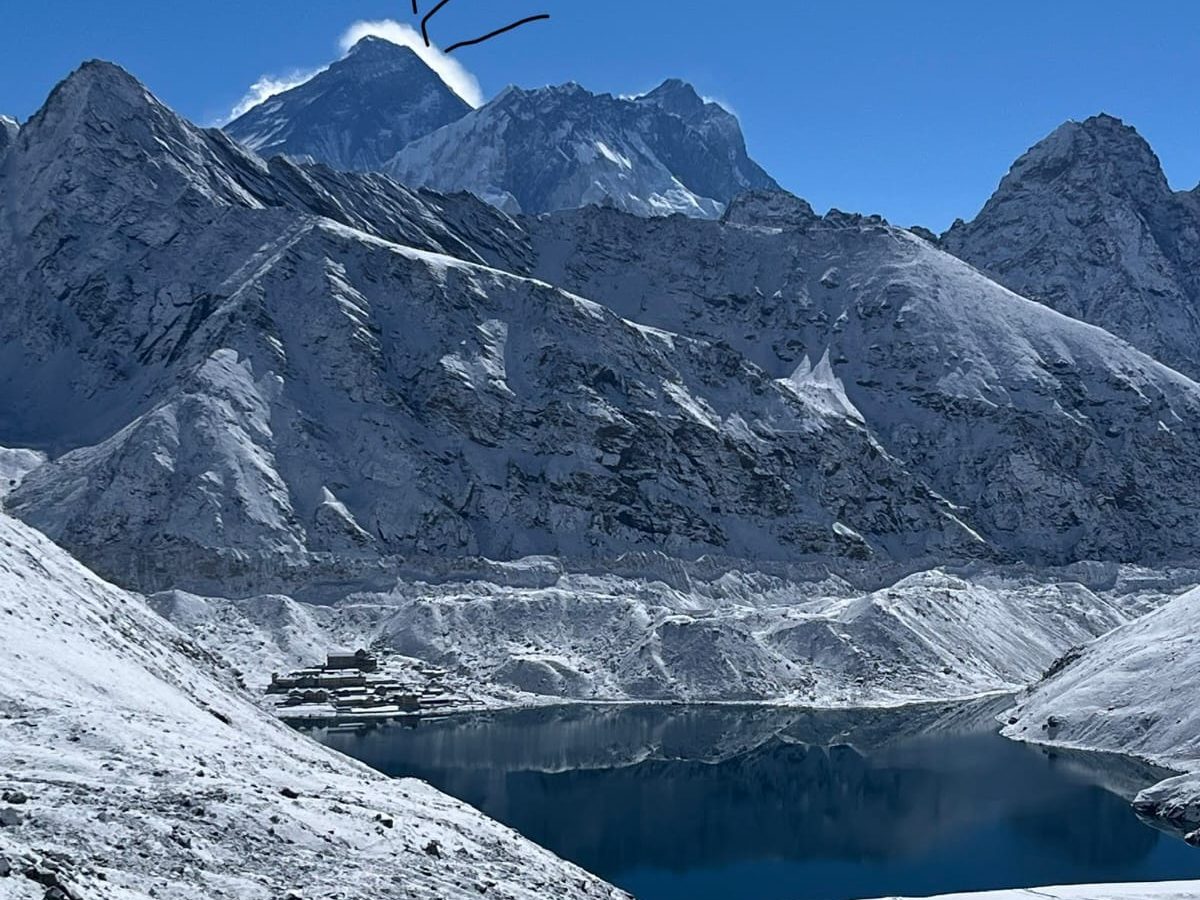
Once at Gorakshep, you’ll have the option to hike to the summit of Kalapatthar for the best and most iconic views of Mt. Everest, or take some time to rest and acclimatize.
The trail from Lobuche to Gorakshep is short but slightly rough, taking approximately 3 hours. Despite the minimal walking time, the day is filled with breathtaking alpine scenery and stunning mountain vistas.
Highlights:
A short and manageable trekking day at high altitude
Rocky trails with dramatic mountain views
Option to hike to Kalapatthar for the ultimate Everest panorama
Altitude: 5,364 m
Today is one of the most rewarding days of the trek. Walking through rocky moraines and crossing a few streams, you will reach the Everest Base Camp in just a couple of hours. For mountaineers, this moment is euphoric—like arriving at the starting line of a marathon after a long journey.
Everest Base Camp serves as the launch point for expeditions to the world’s highest peaks. Our team at the camp will assist with all necessary arrangements and preparations, allowing you to fully enjoy the experience of being at the foot of the mighty Everest.
Highlights:
Trekking through rocky moraines and crystal-clear streams
Unforgettable panoramic views of surrounding Himalayan peaks
Experience camping at the base of the world’s highest mountains
Ultimate Destination: Mount Everest (8,848.64 m)
After fully acclimatizing at Everest Base Camp, the expedition to the top of the world begins. Reaching the summit of Everest requires hard work, determination, and careful preparation. From this day onward, you will train, learn, and prepare yourself for the climb of a lifetime.
The ascent involves moving between Base Camp and four higher camps, going up and down to properly acclimatize to the extreme altitude. This process tests your physical, mental, and emotional strength, ensuring your body adjusts safely to the harsh environment.
One of the most challenging sections is the Khumbu Icefall, where massive ice blocks and deep crevasses can shift suddenly. Climbers tackle this section early in the morning when the ice is most stable, guided by experienced Sherpas who prioritize safety at every step.
The reward is incomparable. From the summit, you are surrounded by other towering 8,000-meter peaks, and the feeling of standing at the top of the world is indescribable—pure achievement and awe.
After a successful ascent, around Day 56–57, you will descend back to Base Camp. Exhausted yet exhilarated, you can finally rest in the well-managed camp and celebrate your incredible accomplishment with your team.
Highlights:
Stand atop the world’s highest mountain, Mount Everest
Work with expert Sherpas and mountain guides throughout the climb
Acclimatize effectively by ascending and descending between camps
Safely summit and return to Base Camp
Celebrate your achievement in the heart of the Himalayas
Special Information:
Before the climb, a traditional “puja” ritual is performed at Base Camp by a local Lama, in line with Sherpa culture. This ceremony honors the mountain deity and prays for the safety of all climbers—a meaningful start to your Everest expedition.
Altitude: 4,910 m
After completing the expedition, start the day by helping your team clean up the base camp. As a responsible trekking company, we emphasize keeping the mountains free of pollutants, so everyone pitches in to leave the camp pristine. Once the cleanup is done and your packing is complete, you’ll begin the trek back to Lobuche.
The return journey is much easier, and trekking above 4,000 meters feels like a special privilege. You will follow the same trail, walking through rocky moraines and alongside streams, enjoying the peaceful sounds of flowing water and wind through the mountains. After a couple of hours, you will reach Gorakshep, where you can rest and have lunch. From there, continue for another 4–5 hours to arrive at Lobuche for the night.
Highlights:
Participate in cleaning up Everest Base Camp, helping preserve the environment
Enjoy the soothing sounds of streams and wind while trekking through high-altitude landscapes
Easy downhill walk through rocky moraines with beautiful mountain scenery
Altitude: 3,860 m
Today’s trek involves a slightly longer walk, but it is mostly easy and downhill, allowing you to enjoy the beautiful scenery at a relaxed pace. Make sure to take plenty of photographs to capture the unforgettable landscapes. Using trekking poles is highly recommended, as walking downhill can become tiring over time.
Highlights:
Spectacular views of Ama Dablam and surrounding peaks
Pass through charming Sherpa villages along the trail
Experience the warm hospitality of local Sherpa communities
Altitude: 3,860 m
Today’s trek involves a slightly longer walk, but it is mostly easy and downhill, allowing you to enjoy the beautiful scenery at a relaxed pace. Make sure to take plenty of photographs to capture the unforgettable landscapes. Using trekking poles is highly recommended, as walking downhill can become tiring over time.
Highlights:
Spectacular views of Ama Dablam and surrounding peaks
Pass through charming Sherpa villages along the trail
Experience the warm hospitality of local Sherpa communities
Altitude: 2,850 m
Today marks the final day of your two-month journey. Starting early in the morning, you will enjoy a comfortable walk through dense pine and fir forests and pass through quaint mountain settlements.
Take this opportunity to thank and tip the trekking staff who have supported you throughout the expedition, and bid them a fond farewell. Make sure to rest early tonight, as you will be leaving early the next morning.
Highlights:
The last day of trekking in the majestic Himalayas
Walk through peaceful forests and small villages
Say goodbye and show appreciation to your trekking team
Altitude: 1,400 m
This morning, you’ll take a short but thrilling flight from Lukla back to Kathmandu. Enjoy breathtaking views of the Himalayas one last time as you fly over the majestic peaks, a perfect end to your Everest adventure.
Highlights:
Exciting mountain flight with spectacular Himalayan vistas
A memorable farewell to the world’s highest peaks
This buffer day is strategically planned to accommodate any unforeseen delays or changes, particularly given the weather-dependent nature of flights between Lukla and Kathmandu. Such flexibility is crucial, as these flights are often subject to cancellations or delays thanks to weather fluctuations and other variables.
This contingency day allows for the completion of the trip without rush or for an additional day of exploration and relaxation in Kathmandu, looking at the case. Embracing flexibility and flexibility is essential to creating the foremost out of any unexpected circumstances that will arise, ensuring a satisfying and stress-free conclusion to your journey.
Today marks the conclusion of your remarkable journey with us. After enjoying a final hearty breakfast, we’ll make sure you are comfortably transported to the Tribhuvan International Airport for your journey home. As you depart, the memories of trekking through the Khumbu region and therefore the triumphant ascent of Ama Dablam Peak will accompany you, serving as a testament to your adventure and spirit.
The captivating fantastic thing about Nepal’s Himalayas and also the experiences shared will linger, perhaps igniting a desire for further exploration. Should the decision of the mountains beckon you again for one more extraordinary adventure, remember that Nature Heaven Treks and Expedition is here, able to guide you through the wonders of Nepal and beyond. Safe travels, and we hope to commence another adventure with you in the future.
The best season for an Everest expedition in 2026, especially starting around April 3, is the pre-monsoon or spring season, which typically spans late March to May. During this period, the weather is relatively stable, temperatures are gradually warming, and the skies are often clear, providing excellent visibility of Mount Everest and surrounding peaks. Snow conditions are also more favorable for climbing, making routes like the South Col and North Col safer and more manageable. Additionally, spring sees calmer winds compared to the harsh winter months, reducing risks at higher altitudes. This makes early April an ideal time for climbers to start their expedition while avoiding the heavier snowfall and storms of the approaching monsoon season.
Food is a crucial part of any Everest expedition, as climbers need high-energy, easily digestible meals to sustain themselves in extreme conditions. On the mountain, the diet typically includes high-calorie items like noodles, rice, pasta, energy bars, dried fruits, nuts, and instant soups, which provide quick energy without heavy preparation. At base camps, hot meals such as dal bhat (lentil soup with rice), eggs, and porridge are common, while higher camps rely more on freeze-dried or dehydrated foods that are lightweight and easy to cook with limited fuel. Staying properly hydrated and maintaining a balanced intake of carbohydrates, proteins, and fats is essential to cope with the harsh cold, low oxygen, and demanding physical exertion during the climb.
During an Everest expedition, accommodation varies depending on the stage of the journey. In Kathmandu and Lukla, trekkers usually stay in comfortable hotels or guesthouses with basic amenities to rest and acclimatize before heading into the mountains. Along the trekking route to Everest Base Camp, most climbers stay in teahouses, which are small lodges run by local families offering simple rooms with beds, blankets, and shared bathrooms. Higher up, near Base Camp and advanced camps, accommodation becomes very basic, often consisting of tents provided by expedition organizers, as there are no permanent lodges. Despite the simplicity, these arrangements are designed to provide warmth, safety, and rest, allowing climbers to focus on acclimatization and preparation for the challenging ascent ahead.
A Mount Everest expedition is considered one of the most challenging climbs in the world due to its extreme altitude, harsh weather, and physically demanding terrain. Climbers face risks such as altitude sickness, frostbite, and unpredictable storms, especially above 8,000 meters in the “death zone,” where oxygen levels are critically low. The climb requires excellent physical fitness, mental resilience, and technical mountaineering skills, including using crampons, ice axes, and ropes on steep ice and snow slopes. Even with experienced guides and support teams, the expedition tests endurance, patience, and decision-making, making it a grueling but life-changing adventure for those who attempt it.
For a Mount Everest expedition, having comprehensive travel and mountaineering insurance is absolutely essential. This insurance should cover high-altitude trekking and climbing risks, including emergency evacuation by helicopter, medical treatment for altitude sickness or injuries, and trip cancellation or delays due to extreme weather. Since Everest expeditions involve significant physical challenges and unpredictable conditions, standard travel insurance often isn’t enough—specialized high-altitude coverage is required. Many insurance providers offer policies tailored for Himalayan climbs, ensuring that climbers are financially protected against medical emergencies, loss of equipment, or unexpected changes in the expedition schedule, giving peace of mind while tackling the world’s highest peak.
Altitude sickness, also known as acute mountain sickness (AMS), is a common challenge for climbers on a Mount Everest expedition due to the extreme elevation, which reaches 8,848 meters (29,029 feet) at the summit. As climbers ascend above 2,500 meters (8,200 feet), the air becomes thinner, meaning less oxygen is available for the body. This can lead to symptoms like headache, nausea, dizziness, fatigue, and shortness of breath. If ignored, it can progress to more severe conditions such as high-altitude pulmonary edema (HAPE) or high-altitude cerebral edema (HACE), both of which can be life-threatening. Proper acclimatization, gradual ascent, staying hydrated, and sometimes using supplemental oxygen are essential strategies to prevent altitude sickness and ensure a safer and more successful Everest climb.
Base Layers: Thermal tops and bottoms (moisture-wicking)
Insulating Layers: Fleece jackets, down jackets, insulated pants
Outer Layers: Waterproof and windproof shell jacket and pants
Expedition Suit: High-altitude down suit for summit push
Gloves: Lightweight liner gloves, insulated gloves, heavy down mitts
Headwear: Warm hat, balaclava, neck gaiter, sun hat, face mask
Footwear: Mountaineering boots (double boots for high altitude), gaiters, thick socks, liners
Mountaineering harness
Crampons compatible with boots
Ice axe
Carabiners, ascenders, descenders
Ropes (if not provided by expedition operator)
Helmet
Sleeping bag (-30°C or suitable for extreme cold)
Insulated sleeping pad
Lightweight, high-altitude tent (usually provided by operator)
Trekking poles
Sunglasses (UV protection, glacier glasses)
Goggles for snowstorms
Headlamp + extra batteries
Altimeter, compass, GPS device
First aid kit (bandages, blister care, medications)
Sunscreen (high SPF) and lip balm
Hydration system (water bottles, insulated covers, water purification)
Oxygen cylinders and mask (for summit push, if required)
Personal medications (for altitude sickness, pain, stomach)
Backpack (40–60L for trekking, 20–30L for summit)
Dry bags for clothes and electronics
Personal hygiene items (toothbrush, wet wipes, biodegradable soap)
Camera, phone, power bank, solar charger
Snacks, energy bars, electrolyte powders
Passport, permits, insurance documents
Lightweight trekking sandals (for lower-altitude rest days)
Notebook, pen, small travel games
Hand warmers
Safety is the top priority for any Mount Everest expedition, and having experienced guide support is essential for a successful climb. Professional guides not only help with route planning, acclimatization schedules, and weather assessments, but they also provide technical assistance on challenging sections such as the Khumbu Icefall or Hillary Step. They ensure that climbers follow proper safety protocols, use the right equipment, and respond effectively to altitude sickness or emergencies. In addition, guides coordinate with support staff, including Sherpas, base camp teams, and medical personnel, to maintain a secure and well-organized expedition. With expert guidance, climbers can focus on their ascent while minimizing risks, making the journey safer and more achievable.
To book a Mount Everest expedition with Nature Heaven Treks and Expedition, you start by contacting the company through their official website or direct channels (email/WhatsApp) to express your interest and preferred departure date. The booking process typically requires a 10% deposit to secure your spot, after which you’ll need to submit your passport copy, travel insurance details (including high‑altitude coverage), passport‑size photos, and flight information within a set timeframe. Payments can be made via online bank transfer, Western Union, or in person in Kathmandu, with the remaining balance usually due before the expedition begins. Once your booking is confirmed, the company will arrange all logistics, including government climbing permits, necessary entry permits, flights (such as Kathmandu–Lukla), guides and Sherpa support, base camp facilities, equipment, and acclimatization planning, ensuring a comprehensive and well‑organized Everest climb
Our team is here to guide you with personalized recommendations, insider advice, and the latest travel updates to make your journey smooth and memorable.
Embark on unforgettable adventures through majestic landscapes, rich cultural sites, and serene natural retreats. Our travel packages are designed to suit every explorer whether you seek thrill, peace, or heritage.
More than 730 individuals and over 50 countries travellers we have deal with
Yael0505
July 21, 2024
“We had an excellent trek with Krishna and his excellent team. The tour itself was excellently planned.”
Wildnature2006,
May 1, 2024
“From the moment we met Krishna at the airport, we knew we were in good hands. Immediately upon arrival…”
Dreamer47485971266,
November 23, 2023
“We had a wonderful time trekking Langtang and the frozen lakes. Krishna has done everything so every…”
The Everest expedition is the ultimate adventure for climbers seeking a once-in-a-lifetime experience. To join this incredible journey with Nature Heaven Treks and Expedition, you must have prior experience climbing peaks of 6,000–7,000 meters in Nepal, as this is a requirement for obtaining the necessary climbing permit. Additionally, participants are required to submit a certificate of good health and physical fitness and must be accompanied by a professional mountain guide throughout the expedition to ensure safety and success
Climbing Mount Everest is certainly a significant investment. The climbing permit alone from the Nepalese government costs approximately $11,000. Beyond that, there are several additional expenses, including gear, guides, and logistics. On average, joining a Western expedition company can cost between $55,000 and $77,000, covering all essentials. However, if you choose a Nepalese agency, the total cost is typically lower, ranging from $40,000 to $50,000, while still providing professional support and comprehensive services for a safe and successful climb.
Nature Heaven Treks and Expedition, we are committed to providing a high-standard and safe climbing experience for all our clients. For this reason, we follow the South Col route, widely regarded by mountaineers as the easiest and most reliable path to the summit of Everest. First successfully climbed by Tenzing Norgay Sherpa and Sir Edmund Hillary in 1953, this route has since become the classic and preferred route for Everest expeditions worldwide.
Nature Heaven Treks offers a variety of trekking options, including popular routes like the Everest Base Camp and Annapurna Circuit, as well as off-the-beaten-path adventures in regions like Manaslu and Langtang .
✅ 17+ Years of Trekking/ Expedition Experience
✅ Certified and Friendly Local Guides
✅ 100% Tailor-Made Itineraries
✅ Small Groups, Big Adventures
✅ Eco-Conscious and Culturally Respectful Practices
✅ 5-Star Reviews from Adventurers Worldwide





Chat with Us