Trekking Route of Annapurna Circuit with Tilicho Lake

Trekking Route of Annapurna Circuit with Tilicho Lake

Annapurna Circuit Trek is one of the most famous trekking routes in Nepal, known for its incredible variety of landscapes and stunning views of the Himalayas. It takes you through different villages, terraced fields, forests, and high mountain passes, offering trekkers a chance to experience the beauty of nature and Nepali culture in its purest form.

One of the special features of this trek is the Tilicho Lake, which is often considered a highlight. Located at an altitude of 4,919 meters (16,138 feet), Tilicho Lake is one of the highest lakes in the world and is surrounded by majestic mountain peaks. Adding this lake to the Annapurna Circuit makes the trek even more unique and memorable.

What makes the Annapurna Circuit Trek so popular among trekkers? First, it offers breathtaking views of snow-capped mountains like Annapurna and Dhaulagiri. Second, the trek provides an amazing cultural experience, allowing trekkers to visit small villages and interact with local communities, who have preserved their traditions for centuries. Finally, the trek features unique landscapes, ranging from subtropical forests to alpine meadows, offering a new scenery every day. All these reasons make the Annapurna Circuit Trek an unforgettable adventure

Annapurna Circuit Overview

1. General Description of the Annapurna Circuit
The Annapurna Circuit is a popular trekking route in Nepal that takes you around the Annapurna mountain range. It is located in the central part of Nepal, in the Annapurna Conservation Area. The trek covers a distance of about 160 to 230 kilometers, depending on the starting and ending points you choose. The average time to complete the trek is around 12 to 21 days, depending on your pace and how much time you spend at different spots.

  1. Key Features of the Trek
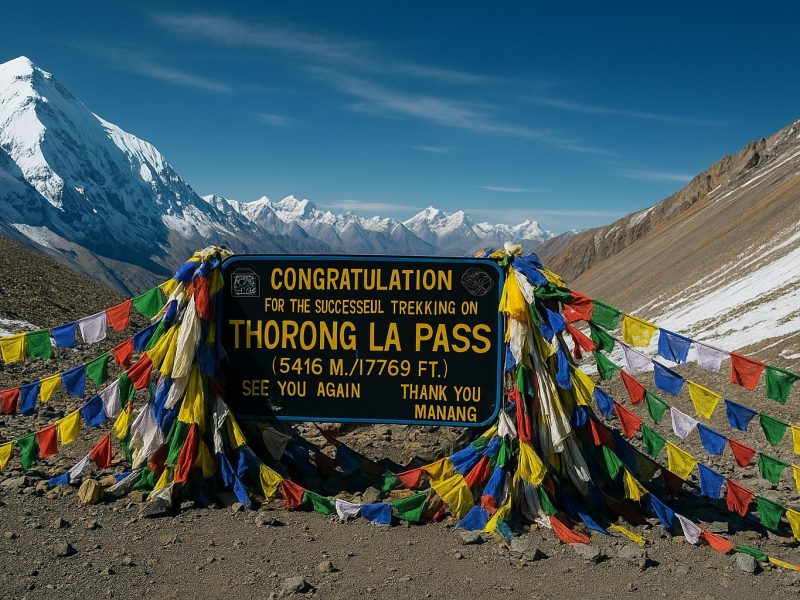
  • Altitude: The highest point of the trek is Thorong La Pass, which is at 5,416 meters (17,769 feet) above sea level. The trek takes you through different altitudes, from lowland areas to high mountain regions.
  • Terrain: The terrain on the Annapurna Circuit varies greatly. You’ll walk through subtropical forests, cross rivers, walk along mountain ridges, and climb high-altitude passes. Some sections are easy, while others can be more challenging, with rocky paths and steep ascents.
  • Difficulty Level: The Annapurna Circuit is considered a moderate to difficult trek. It requires good physical fitness, especially because of the high altitude and long walking days. However, with proper preparation and gradual acclimatization, most trekkers can manage the trek successfully.

3. Historical and Cultural Significance
The Annapurna Circuit has rich historical and cultural value. It was first opened to trekkers in the 1970s and quickly became one of Nepal’s most famous trekking routes. Along the way, you will pass through several villages, where you can experience the local culture, customs, and traditions of the Gurung, Magar, and Thakali communities. You’ll also find Buddhist monasteries, prayer flags, and temples, offering a glimpse into Nepal’s spiritual heritage. The trek also passes through ancient trade routes that connected Tibet and Nepal, adding to its historical importance.
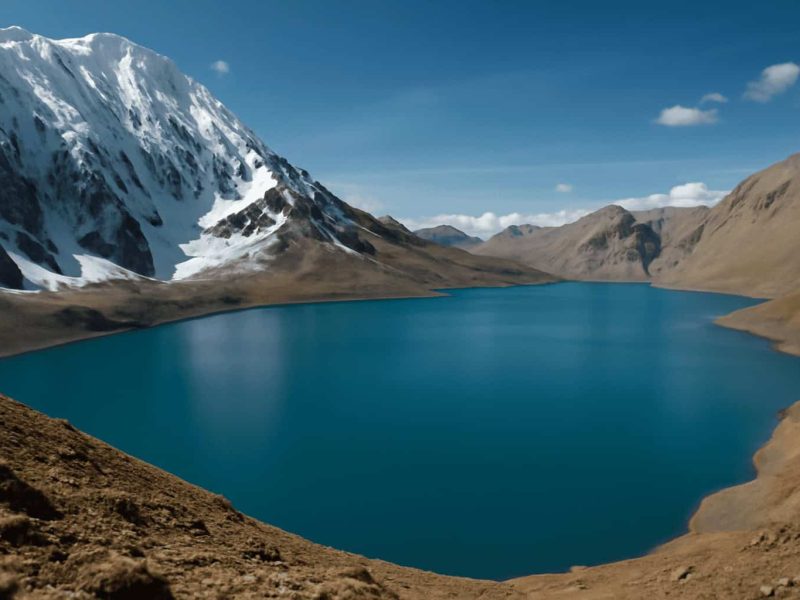
Tilicho Lake – The Jewel of Annapurna

Tilicho Lake – The Jewel of Annapurna

Introduction to Tilicho Lake

Tilicho Lake is a stunning high-altitude lake located in the Annapurna region of Nepal. It sits at an elevation of about 4,919 meters (16,138 feet) above sea level, making it one of the highest lakes in the world. The lake is surrounded by snow-capped mountains, and its clear blue waters make it an unforgettable sight for trekkers who visit the region.

Importance of Tilicho Lake as a Destination within the Annapurna Circuit

Tilicho Lake is considered one of the main highlights of the Annapurna Circuit trek, a popular trekking route in Nepal. The lake is not only beautiful but also holds cultural and spiritual significance. It is believed by locals to be a sacred site, with many considering it a place of spiritual connection. For trekkers, the lake offers a unique opportunity to experience nature at its best while also immersing themselves in the cultural richness of the area.

Why Trekkers Include Tilicho Lake in Their Itinerary

  1. Beautiful High-Altitude Lake: The lake is located in a stunning setting, with clear, deep blue water surrounded by towering mountains and glaciers. It’s a perfect spot for nature lovers and photographers.
  2. Spectacular Surroundings: The entire area around Tilicho Lake is breathtaking, with magnificent views of snow-covered peaks like Tilicho Peak and the surrounding Annapurna massif. The beauty of the landscape makes it a must-visit for trekkers.
  3. Spiritual Significance: Many trekkers visit Tilicho Lake not just for its beauty, but also for its spiritual value. The lake is sacred to the local people, and some trekkers come to pay respect and connect with the peaceful environment. It’s a place where trekkers can feel both physically and spiritually uplifted.

In summary, Tilicho Lake is an essential part of the Annapurna Circuit trek, offering trekkers a combination of natural beauty, spiritual significance, and a challenging adventure at a high altitude.
Trekking Route from Besisahar to Tilicho Lake

"Does the Annapurna Circuit Trek Need to Cross the Thorong La Pass at 5416m
“Does the Annapurna Circuit Trek Need to Cross the Thorong La Pass at 5416m

The journey to Tilicho Lake begins in Besisahar, a small town located in the Annapurna region of Nepal. This is where most trekkers start their adventure, and it marks the beginning of an exciting journey through picturesque villages, forests, and towering mountains. The trek covers a variety of landscapes, from subtropical forests to high-altitude alpine meadows.

Key Stops and Villages Along the Way:

  1. Besisahar – Starting Point:
    Besisahar is a bustling town where trekkers can prepare for the adventure ahead. It is accessible by road from Kathmandu and acts as the gateway to the Annapurna Circuit.
  2. Dharapani – First Major Stop:
    The trek starts heading upward from Besisahar, reaching Dharapani after a few hours of walking. This village is the first place where trekkers can truly feel the change in surroundings, moving from lower altitudes to a more mountainous environment.
  3. Chame – Scenic Views:
    After Dharapani, the trail continues toward Chame, a charming village with incredible views of snow-capped mountains. It is one of the main stops before reaching the higher altitudes of the trek. Chame is surrounded by pine forests, and trekkers can get a glimpse of the majestic Machapuchare (Fishtail) mountain.
  4. Manang – Cultural Hub:
    The trek continues to Manang, a larger village known for its stunning views and vibrant culture. Manang is also an important stop for acclimatization, as it helps trekkers adjust to the higher altitude before continuing further.

Description of the Landscape and Altitude Variations:

As you move forward, the trek transitions through various landscapes:

  • Lower Altitudes (Besisahar to Dharapani): The initial part of the trek is through subtropical forests with beautiful rivers, waterfalls, and farmland. The climate is mild, and the trek is easier to manage.
  • Middle Altitudes (Dharapani to Manang): The landscape shifts into alpine forests with views of towering peaks and glaciers. The weather gets cooler, and the terrain starts to get steeper as you get closer to higher altitudes.
  • High Altitudes (Manang to Tilicho Lake): As the trek approaches Tilicho Lake, the altitude increases significantly. The scenery becomes more rugged and harsh with snow-covered peaks, rocky terrain, and little vegetation. It’s colder here, and trekkers need to be mindful of the thinner air, which can make breathing a bit more challenging.

The trek from Besisahar to Tilicho Lake is not just about reaching the lake; it’s about experiencing the stunning diversity of landscapes and the gradual change in altitude that offers trekkers both challenges and breathtaking views.

Altitude and Acclimatization

When you’re trekking in high-altitude areas, like the Annapurna Circuit with Tilicho Lake, it’s very important to give your body time to adjust to the thinner air. This adjustment process is called acclimatization.

Why Acclimatization is Important:

As you climb higher in the mountains, the air gets thinner, meaning there is less oxygen. Your body needs time to adapt to these changes. If you don’t give your body this time, you may feel symptoms of altitude sickness. These symptoms can include headaches, nausea, dizziness, and shortness of breath. Severe cases can be dangerous, so it’s crucial to take the necessary steps to prevent it.

How to Acclimatize:

The best way to help your body adjust is by taking rest days at certain points during your trek. This allows your body to adapt to the altitude before going higher. For example:

  • At Manang (a popular stop on the Annapurna Circuit), most trekkers rest for at least one day to help with acclimatization.
  • Other key points along the trek may also recommend a rest day to help with this adjustment.

Tips for Staying Healthy During the Trek:

  1. Take Your Time: Don’t rush to higher altitudes too quickly. This is one of the most important tips for preventing altitude sickness.
  2. Drink Plenty of Water: Dehydration can worsen the effects of altitude sickness. Keep yourself hydrated by drinking enough water.
  3. Eat Well: Eating foods that give you energy is important for your health. A balanced diet will help you stay strong and focused.
  4. Rest Regularly: Give your body the rest it needs. Don’t over-exert yourself.
  5. Pay Attention to Symptoms: If you start feeling any symptoms of altitude sickness, don’t ignore them. Take it slow, rest more, and if needed, descend to a lower altitude.

By taking it easy, staying hydrated, and following these tips, you’ll give your body the best chance to adjust safely and enjoy your trek!

Tilicho Lake Base Camp

1. Description of the Base Camp and Surrounding Area

The Tilicho Lake Base Camp is a beautiful spot located in the Annapurna region of Nepal. It is the starting point for those who want to trek to Tilicho Lake, which is one of the highest lakes in the world. The base camp is surrounded by amazing snow-capped mountains, glaciers, and green valleys. You’ll see beautiful views of the Tilicho peak and other tall mountains nearby. The area is peaceful, with only a few villages and small guesthouses.

2. How to Get to the Base Camp from Manang (Including Necessary Permits)

To reach the Tilicho Lake Base Camp from Manang, you need to follow a challenging trekking route. It takes about 2-3 days to get from Manang to the base camp. You will first pass through small villages, walk through forests, and then reach higher altitudes. The trail can be steep and cold, so you need to be prepared for the altitude and weather.

Before you start trekking, you need to get a special Trekking Permit to enter the area. You can get this permit in Kathmandu or Pokhara. Additionally, if you are trekking through the Annapurna Conservation Area, you will need a Conservation Area Permit. These permits are required to ensure the safety of the trekkers and protect the natural beauty of the region.

3. Views from the Base Camp and What to Expect at This High-Altitude Site

At the base camp, the views are absolutely breathtaking. You will see snow-covered mountains all around you, including Tilicho Peak, which stands tall at 7,134 meters (23,409 feet). The lake itself is stunning, with crystal-clear water surrounded by rocky landscapes.

Since the base camp is at a very high altitude, the air is thin, which can make breathing harder. The weather can be very cold, especially in the mornings and evenings, so it’s important to dress warmly. At this altitude, the environment is very quiet and calm, giving you the feeling of being far from the busy world.

Overall, the Tilicho Lake Base Camp offers one of the most incredible views in the Himalayas, but it requires physical preparation due to the high altitude and the challenging trek.

Difficulty and Trekking Conditions: Explained Simply

Trekking in the Annapurna Circuit with Tilicho Lake is a beautiful yet challenging adventure. Understanding the difficulty level and the conditions you will face helps you prepare better for this trek.

1. Trekking Difficulty Level:

The trek is considered moderate to difficult. This means it’s not an easy walk, but it’s also not the hardest trek out there. People who are physically fit and have some previous trekking experience can manage it, but it will still challenge you.

2. Challenges You Might Face:

  • High-Altitude Terrain:
    The highest point of the trek is Thorong La Pass, which is at 5,416 meters (17,769 feet). At this height, the air is thin, which means it’s harder to breathe, and you might feel tired quickly. This is known as altitude sickness, and it can affect anyone, even if they are fit.
  • Weather Conditions:
    The weather in the Himalayas can change quickly. It might be sunny and warm one minute, and then suddenly rain or snow. The temperatures can also drop drastically, especially at higher altitudes. It’s common to experience cold temperatures, especially in the early mornings and evenings, and strong winds at higher points.
  • Physical Endurance:
    Trekking on steep trails, uneven paths, and long hours of walking each day can be tiring. You need to have good physical endurance to keep going, especially on the more difficult stretches of the trek.

3. How to Prepare for the Challenges:

  • Physical Fitness:
    You don’t have to be a super athlete, but being physically fit will help a lot. Before you start the trek, try to do some training like walking, hiking, and cardio exercises. Focus on improving your stamina and leg strength since you’ll be walking for hours every day, sometimes uphill.
  • Trekking Gear:
    The right gear will make your trek much easier and more comfortable. Here’s a list of important things to bring:
    • Good trekking boots with ankle support to avoid injury.
    • Warm clothing for cold weather, including jackets, gloves, and hats.
    • Layered clothing that you can add or remove depending on the temperature.
    • Waterproof gear to stay dry during rain or snow.
    • A good backpack to carry your essentials comfortably.
    • Sun protection like sunglasses and sunscreen to protect from high-altitude sun exposure.

By preparing well physically and with the right gear, you can overcome the challenges and enjoy the trek to the beautiful Tilicho Lake. Remember, take your time, listen to your body, and don’t rush. It’s an experience of a lifetime!

Best Time to Trek the Annapurna Circuit with Tilicho Lake

When planning a trek to Annapurna Circuit with Tilicho Lake, choosing the right time to go is important to have a safe and enjoyable experience. The weather and conditions can vary greatly depending on the season. Here’s a simple breakdown to help you decide when to go.

Ideal Seasons for Trekking:

There are two main trekking seasons that are considered the best:

  1. Spring (March to May):
    1. This is one of the most popular times to trek. The weather is mild, and the scenery is beautiful.
    1. The flowers are in bloom, and the mountains are clear of snow in lower areas.
    1. Temperatures are moderate, not too hot or cold, making it comfortable for trekking.
  2. Autumn (September to November):
    1. Another top season for trekking.
    1. The weather is dry, and the skies are clear, giving you stunning views of the mountains.
    1. It’s also not too hot or cold, making it perfect for trekking in the higher altitudes.

Weather Conditions:

  • Spring (March to May):
    • Temperature: Moderate, not too hot or too cold. Expect daytime temperatures between 10°C to 20°C in lower regions. In higher altitudes, it can drop to below freezing at night.
    • Weather: Mild with occasional rain showers, especially in May.
  • Autumn (September to November):
    • Temperature: Similar to Spring, temperatures range from 10°C to 20°C in lower areas, and it can drop below freezing in high altitudes at night.
    • Weather: Clear skies with very little rainfall. It’s considered the best time for trekking due to the stable weather.

Pros and Cons of Trekking During Different Seasons:

  1. Spring (March to May):
    1. Pros:
      1. Beautiful flowers and green landscapes.
      1. Comfortable weather, not too hot or too cold.
      1. Fewer trekkers compared to autumn, so it’s more peaceful.
    1. Cons:
      1. It can be a bit rainy, especially in May, which can cause some muddy trails.
      1. The snow can start to melt in higher altitudes, making some routes slippery.
  2. Autumn (September to November):
    1. Pros:
      1. Clear skies and great mountain views.
      1. Dry weather, making it easier to walk on the trails.
      1. Most trekkers prefer this time, so facilities and support services are readily available.
    1. Cons:
      1. It’s the peak season, so trails and teahouses may be crowded.
      1. Accommodation and guides can be more expensive because of the high demand.

Summarizing the Experience of Trekking to Tilicho Lake

Trekking to Tilicho Lake is an unforgettable adventure. This beautiful, high-altitude lake is nestled in the Annapurna mountain range and is one of the highest lakes in the world. The journey offers breathtaking views of the snow-capped peaks, deep valleys, and alpine landscapes. You walk through picturesque villages, forests, and rocky paths, experiencing both natural beauty and cultural richness. The feeling of standing near Tilicho Lake, surrounded by towering mountains, is awe-inspiring. It’s a challenging trek, but the stunning landscapes and the sense of achievement make it all worthwhile.

Encouraging Readers to Consider This Trek for Their Adventure Plans

If you’re looking for an adventure that combines natural beauty, physical challenge, and a sense of accomplishment, Tilicho Lake Trek should be on your list. It’s not just about reaching the lake; it’s about the entire experience – the stunning views, the sense of peace in the mountains, and the joy of discovering new places and cultures along the way. Whether you’re an experienced trekker or someone looking to take on a new challenge, this trek offers something unforgettable. Make it part of your adventure plans and create memories that will last a lifetime!

Tips on How to Plan the Trek

1. Get a Guide: Having a guide is always a good idea, especially for challenging treks like Tilicho Lake. They know the route, the local culture, and can help you navigate the terrain safely. Many trekking companies offer guided tours, so research and pick one that suits your preferences.

2. Permits: To trek in the Annapurna region, you need two permits: the Annapurna Conservation Area Permit (ACAP) and the TIMS (Trekkers’ Information Management System) card. You can get these permits at the Nepal Tourism Board or through a trekking agency.

3. Packing Tips:

  • Clothing: The weather can change rapidly in the mountains, so pack layers. Bring thermal wear, a good quality jacket, gloves, and a hat.
  • Footwear: Waterproof trekking boots are essential for long days of walking, especially in the colder regions.
  • First Aid: Carry a basic first-aid kit, including items like pain relievers, bandages, and any personal medications.
  • Food and Water: Carry enough snacks like energy bars and nuts. Always make sure to purify your water or buy bottled water along the way.
  • Sun Protection: Don’t forget sunscreen, sunglasses, and lip balm to protect yourself from the sun at high altitudes.
  •  Call/WhatsApp: +977-9851218358 | +977-9841937489
  •  Email: info@natureheaventrek.com | natureheaventrek@gmail.com
  •  Address: Pakjonal Marga-16, Thamel, Kathmandu, Nepal
  •  Website: https://natureheaventrek.com/