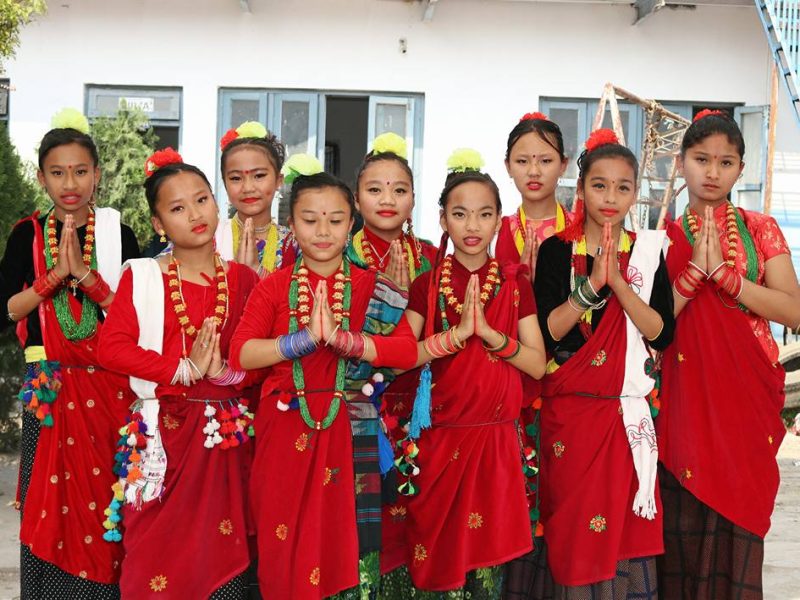
Nepal is a beautiful country known for its rich culture and diverse traditions. From the snow-capped mountains in the north to the lush plains in the south, the people of Nepal belong to different ethnic groups, each with its own unique way of life. This diversity is reflected in many aspects of Nepalese culture, but one of the most noticeable is the traditional clothing worn by its people.
Traditional clothing in Nepal plays an important role in preserving cultural identity and history. For many generations, people in Nepal have worn specific types of clothing that not only reflect their ethnic background but also their customs, beliefs, and social status. Whether it is the colorful “sari” worn by women in the Terai, the elegant “daura suruwal” worn by men in the hills, or the “cholo” worn by the Newars, each piece of clothing has a story to tell about the culture and lifestyle of the people who wear it.
Traditional clothing is more than just something to wear—it’s an essential part of Nepalese social life. It is worn during celebrations, festivals, and even everyday activities, keeping alive the unique cultural expressions of different communities. In this article, we’ll explore how traditional clothing is woven into the fabric of Nepalese society, highlighting its importance, beauty, and cultural value.
By learning about these garments, we can better appreciate the diversity of Nepal and understand how clothing connects the past to the present in Nepal’s ever-changing world
Nepalese clothing is a beautiful reflection of the country’s rich history, diverse cultures, and the influence of various ethnic groups and regions. The traditional clothing in Nepal has evolved over centuries, blending old practices with modern influences, creating unique and vibrant styles that are still worn today.
Traditional clothing in Nepal dates back to ancient times and is deeply connected to the country’s culture, geography, and religious practices. Early clothing was simple and made from natural fibers like cotton, wool, and hemp. Most people wore clothes based on their occupation, climate, and religion. In rural areas, the clothing was designed to suit the harsh weather conditions, especially in mountainous regions.
As Nepal began to interact with neighboring countries, its clothing styles started to incorporate influences from India, Tibet, and even China. Nepal’s diverse culture, with over 120 ethnic groups, led to a wide variety of clothing styles, each unique to the different communities.
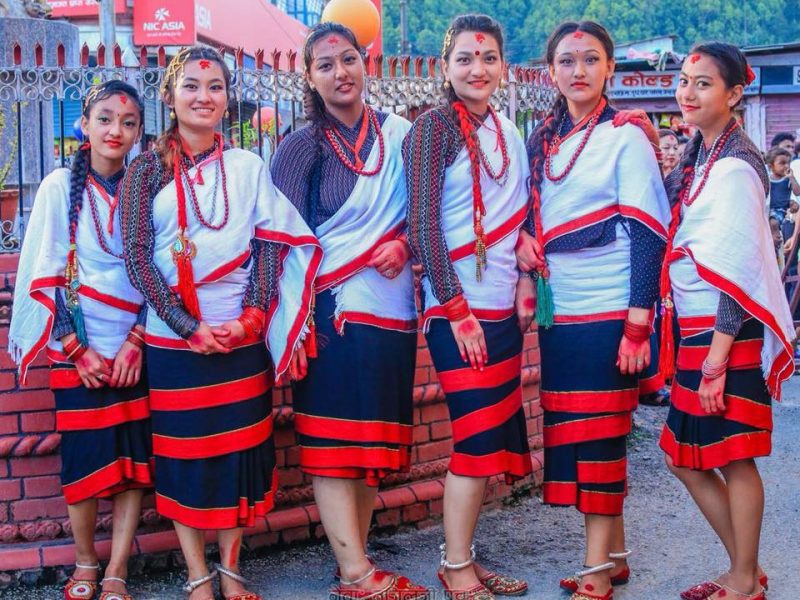
Nepal’s diverse population has greatly influenced its clothing. Each ethnic group has its own distinct clothing style that represents their culture and traditions. For example:
Each region of Nepal has contributed to the overall clothing culture, and over time, fabrics, colors, and accessories from neighboring cultures became part of Nepalese attire.
Over the years, traditional clothing in Nepal has undergone significant changes. Ancient Nepalese clothing was primarily simple and made from locally sourced materials. As the country opened up to trade with India, Tibet, and other parts of Asia, foreign fabrics, designs, and styles began to influence Nepalese clothing.
During the Malla period (12th to 18th centuries), clothing became more sophisticated, especially among the nobility and royalty. The use of fine fabrics like brocade and silk became common. The clothing was also influenced by religion, with people wearing specific attire for religious ceremonies and festivals.
In modern times, while the traditional attire is still widely worn during festivals, weddings, and religious events, everyday clothing in Nepal has changed. Western-style clothing, like jeans, t-shirts, and suits, has become common, especially in urban areas. However, many people still wear traditional clothes for special occasions to maintain their cultural heritage.
The historical background of Nepalese clothing reflects a fascinating blend of ancient traditions, regional influences, and modern adaptations. From simple ancient garments to the colorful, intricate designs of today, Nepal’s clothing continues to be an important part of its cultural identity. The influence of various ethnic groups, regions, and cultures has enriched the diversity of Nepalese attire, making it a unique blend of the old and the new.
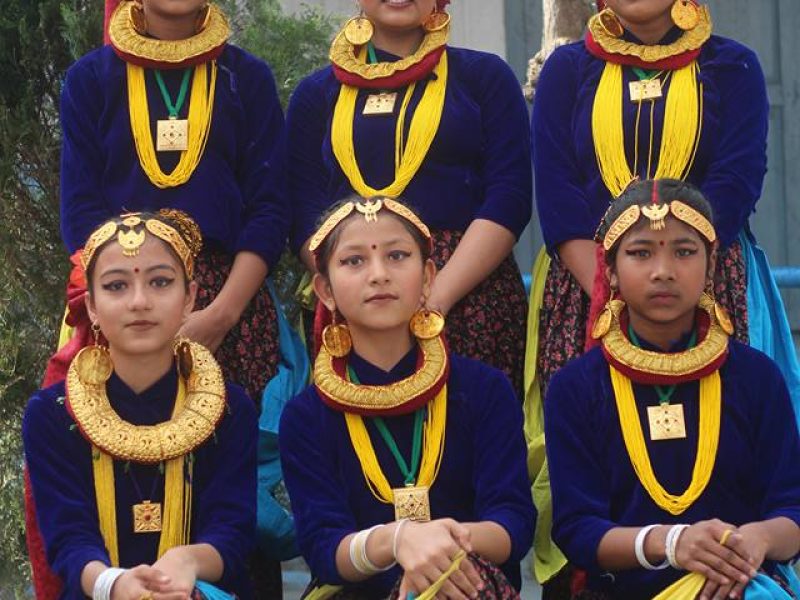
Religion has a big impact on how people dress, especially in traditional clothing. Different religions have specific beliefs and rules that guide the way people should dress. This is because clothing isn’t just about looking nice; it often carries a deeper meaning connected to one’s faith.
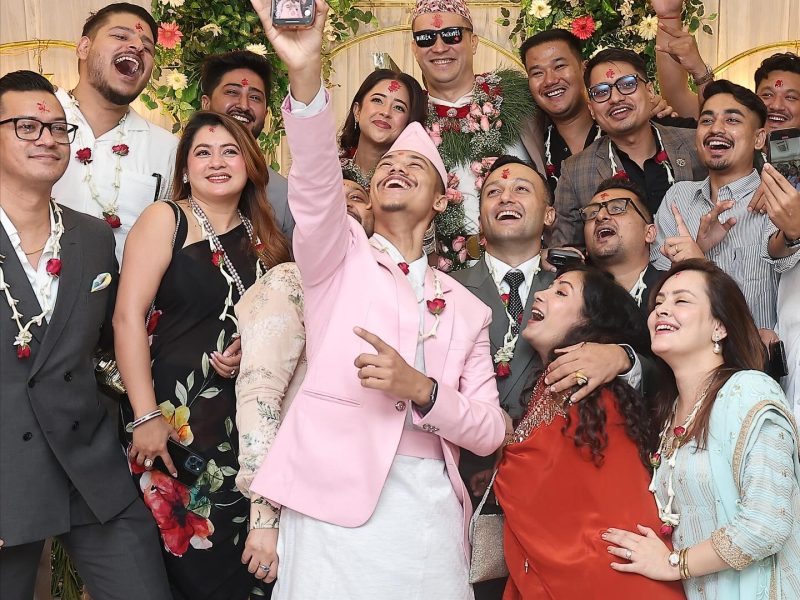
Modesty is central to many religions. The way people dress shows their respect for the religion and its values. In many cases, the clothing is not just about appearance but about following religious guidelines.
In short, religious beliefs shape the way people dress because clothing often serves as a symbol of devotion, respect, and modesty. Each religion has its own rules and traditions that guide how people should dress, with a focus on modesty and the deeper meaning behind the garments they wear.
Nepal is a country with rich cultural diversity, and this is reflected in the traditional clothing worn in different regions. The clothing styles vary across three main geographical areas: the Terai, Hill, and Mountain regions. These regional differences are influenced by the climate, culture, and lifestyle of the people in each area.
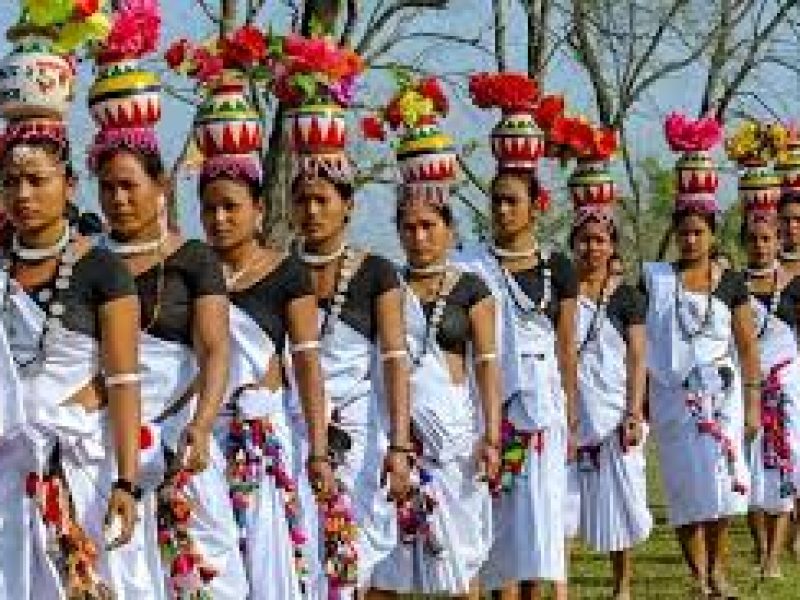
The Terai region, located in the lowlands of Nepal, has a hot and humid climate. People in this region wear lighter clothing compared to those in the Hills and Mountains.
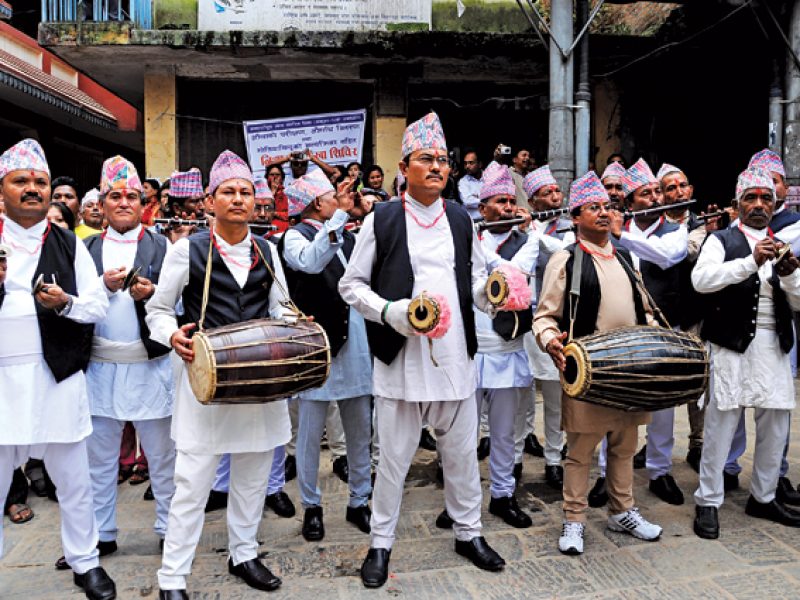
The Hill region, which includes cities like Kathmandu, experiences a moderate climate with warm summers and cold winters. The clothing in the Hill region is more layered and designed for comfort in varying temperatures.
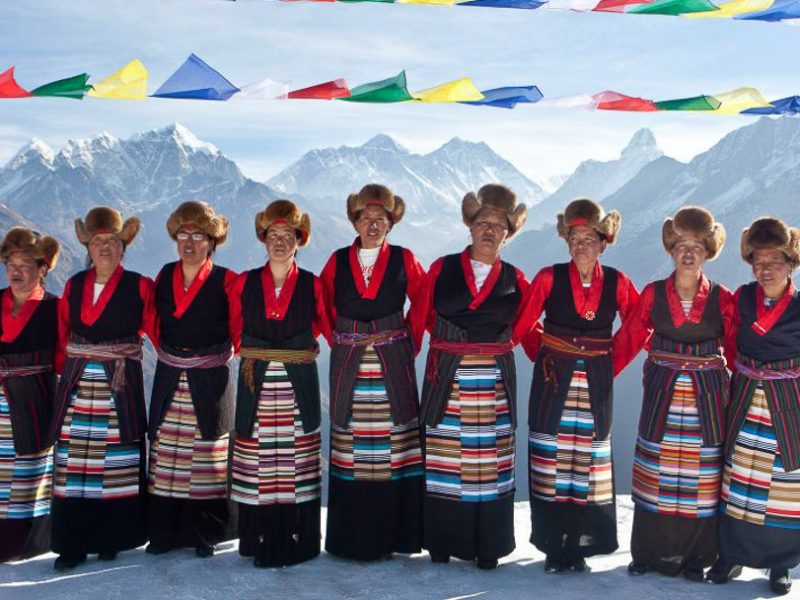
The Mountain region of Nepal, including places like Solu Khumbu and Manang, is much colder due to its high altitude. The clothing in this region is designed to keep people warm and comfortable in harsh weather conditions.
This deep dive into Nepal’s traditional clothing highlights how the country’s diverse geography shapes the way people dress. Whether in the Terai with its bright saris or in the chilly Mountain regions with woolen clothes, each region’s style is a testament to its environment, culture, and traditions.
Traditional clothing holds a special place in the cultural identity of Nepal, and men’s attire is no exception. The garments worn by men are a reflection of the country’s history, values, and regional differences. Here’s a look at some of the key traditional garments for men in Nepal:
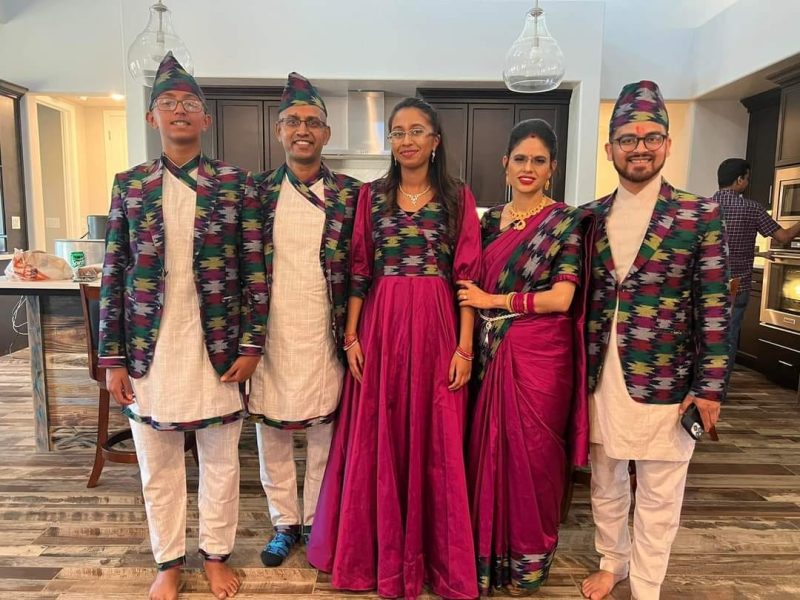
Description:
The Daura Suruwal is a traditional outfit worn by men, often associated with the formal and cultural attire of Nepal. It consists of a long shirt, which is usually buttoned up on the left side. The garment has a unique cut and shape, typically paired with a churidar or tight-fitting pants.
History:
The Daura Suruwal has deep historical roots in Nepal. It has been worn for centuries and is a symbol of respect, tradition, and pride. In ancient times, it was worn by the royal family and important figures, representing the social status and authority of its wearer.
Significance:
The Daura Suruwal is considered a symbol of Nepalese heritage. It is often worn during important cultural events, festivals, and formal occasions like weddings. Wearing this traditional dress shows respect for Nepalese culture and serves as a connection to the country’s rich history.
Description:
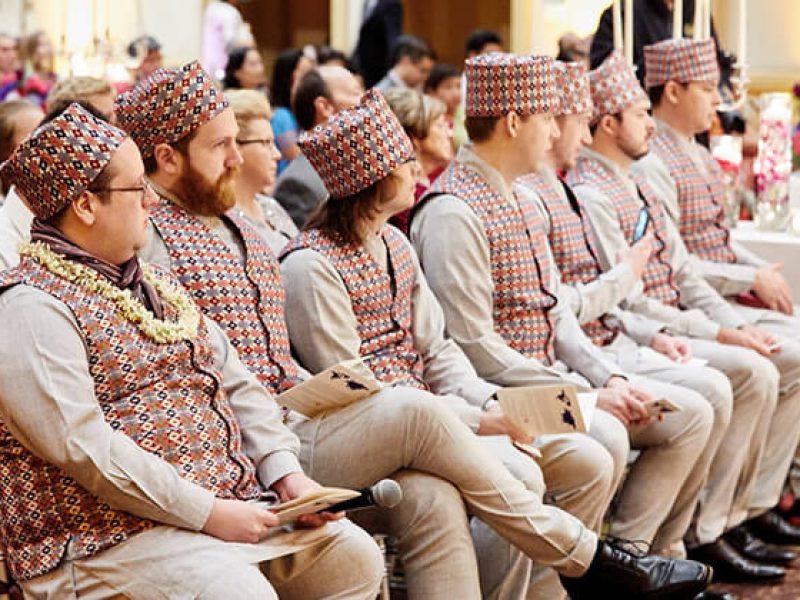
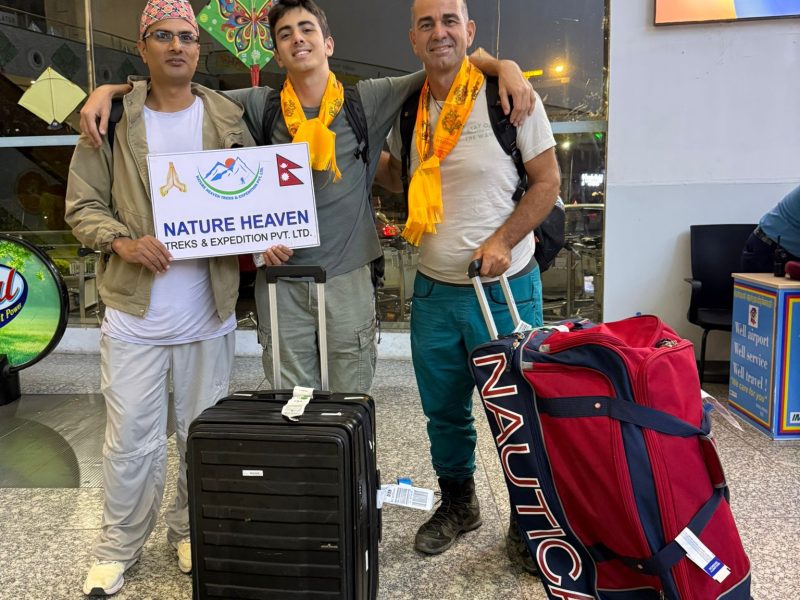
The topi is a traditional hat worn by men in Nepal. There are different types of topis, each with its own significance and regional variations.
Types of Topis:
Symbolism:
The topi is more than just a piece of clothing. It is a symbol of Nepali identity and pride. The Dhaka topi, in particular, is recognized as a symbol of national unity, and wearing it is often seen as a sign of patriotism and respect for the country’s culture.
Description:
In addition to the Daura Suruwal and Topi, there are several other traditional accessories and garments that are commonly worn by men in Nepal. These include:
Other Key Items:
Significance:
These accessories and additional attire not only complete the traditional look but also reflect the cultural richness of Nepal. Wearing these items signifies a deep connection to the traditions, values, and history of the country.
Key Traditional Garments for Women
In Nepal, traditional clothing plays a significant role in representing culture and heritage. Women in different regions wear specific garments that not only hold cultural value but are also deeply tied to customs and daily life. Let’s explore some of the key traditional garments for women in Nepal.
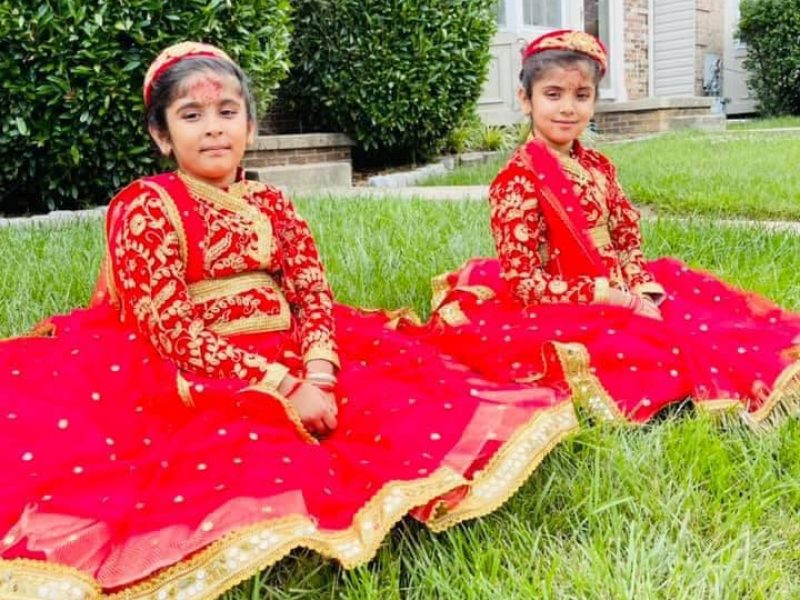
The Gunyo Cholo is a traditional dress mostly worn by women in rural Nepal. It’s a two-piece outfit that typically consists of a Gunyo (blouse) and Cholo (sari-like skirt). The outfit is often paired with a mantikka (head ornament) and other traditional jewelry. In rural areas, this attire is worn for daily chores, festivals, and other cultural events. The Gunyo Cholo is particularly popular in the Terai region, but you can also find women wearing it in other rural parts of Nepal. This dress is known for its comfort and cultural symbolism, representing the heritage of Nepal’s farming communities.
Sari: How It Is Worn in Different Parts of Nepal
The Sari is a timeless traditional garment worn by women across Nepal. It is a long piece of cloth, typically 5-9 yards in length, draped elegantly around the body. The way it is worn can vary depending on the region and the occasion.
Regardless of the region, the sari is a symbol of grace and elegance and is worn during important cultural events, weddings, and religious ceremonies.
The Kurtha Suruwal is a traditional outfit that has become an important part of modern-day Nepalese culture, particularly in the Hilly regions. This two-piece garment consists of a Kurtha (tunic) and Suruwal (fitted pants). The Kurtha Suruwal is often worn by women for both everyday activities and special occasions. It is one of the most popular traditional attires among women in urban and rural areas, offering both comfort and style.
In Nepal today, the Kurtha Suruwal has evolved with fashion, and women of all ages enjoy wearing it in their daily life, making it an essential part of the Nepalese wardrobe.
Tese traditional garments are not just pieces of clothing, but they embody Nepal’s cultural essence. Whether it’s the Gunyo Cholo worn in rural villages, the graceful Sari worn during special occasions, or the comfortable and modern Kurtha Suruwal, each garment tells a unique story about the people of Nepal and their traditions.
Colors play an essential role in Nepalese traditional clothing. They are not just about fashion, but each color holds special meaning, often tied to culture, emotions, and life events.
Discussion on Fabrics Used in Traditional Clothing
The fabric of traditional clothing is just as important as its color, especially in Nepal where climate and season play a significant role in choosing the right fabric.
In Nepal, the colors and fabrics of traditional clothing are much more than just aesthetic choices. They are rich with meaning, representing everything from happiness and celebration to respect and mourning. The use of different fabrics like cotton, silk, and wool shows how the country’s clothing adapts to the diverse climates and seasons.
Festivals and Occasions for Wearing Traditional Clothing
In Nepal, traditional clothing holds deep cultural significance, especially during festivals and important life events. Here’s a simple guide to understanding when and why Nepali people wear their traditional attire:
By wearing these traditional clothes, Nepali people celebrate their culture and heritage, creating memories that last a lifetime. Whether it’s a wedding, a festival like Dashain, or a special occasion, these clothes are a key part of Nepali life.
Traditional clothing in Nepal plays a significant role in representing the country’s rich cultural heritage, and it is deeply tied to Nepal’s national pride and unity. These clothes not only showcase the country’s diverse cultural fabric but also serve as symbols of respect and pride for its people. Here’s how:
Clothing is a way to express unity in diversity. Though people in Nepal may belong to different communities and speak various languages, the shared practice of wearing traditional Nepali clothing during cultural or national events reinforces a sense of belonging to a larger Nepali identity. It promotes the feeling of pride and encourages the appreciation of Nepal’s cultural diversity.
The Impact of Western Fashion on Nepalese Traditional Attire
Western fashion has had a big influence on Nepalese traditional clothing. As people in Nepal get exposed to global trends through social media, movies, and international travel, more and more Nepali people, especially the youth, are mixing Western clothes with their traditional outfits. For example, you can often see people wearing jeans or T-shirts with traditional Nepali kurtas or dhotis. This blending of clothing styles shows how modern trends are being adopted while still holding on to cultural heritage.
Fusion Clothing: Combining Traditional Garments with Modern Elements
Fusion clothing is a trend where traditional Nepali garments are combined with modern styles. This mix creates a fresh, stylish look. A classic example is the fusion of the sari with a modern blouse instead of the traditional choli. The fusion look also includes wearing a topi (Nepali cap) with casual outfits, or pairing traditional dresses with trendy shoes and accessories. This combination makes traditional clothing more fashionable and wearable in everyday settings, especially for younger generations.
How Younger Generations Are Preserving and Adapting Traditional Wear
The younger generation in Nepal is playing a big role in keeping traditional clothing alive while also making it relevant for today’s world. They are adding their personal touch to traditional attire by mixing it with modern elements. For example, younger people are wearing traditional dresses like the gunyo cholo or sari but pairing them with trendy accessories like scarves or modern jewelry. This helps keep the traditions alive while making them feel fresh and current. By adapting and customizing traditional clothing, they’re ensuring that their cultural heritage doesn’t fade away but is instead adapted to fit the modern world.
Traditional clothing plays a crucial role in preserving the rich culture and history of Nepal. These garments are not just pieces of clothing; they are symbols of our identity, values, and traditions passed down through generations. By wearing and celebrating traditional clothing, we help maintain a connection to our past and ensure that future generations understand and appreciate Nepal’s unique cultural heritage.
The Relevance of Traditional Clothing in Nepal Today
Even in today’s modern world, traditional clothing holds great significance in Nepal. While global fashion trends influence daily wear, many people still proudly wear traditional clothes during festivals, ceremonies, and special events. These garments reflect the diverse cultures, customs, and religions that coexist in Nepal. The use of traditional clothing is not just a way to look beautiful, but it also carries deep cultural meaning, making it a living testament to Nepal’s vibrant history.
Embracing Nepal’s Clothing Traditions
We encourage both locals and tourists to celebrate and embrace Nepal’s traditional clothing. Tourists visiting Nepal can take the opportunity to wear these beautiful clothes as part of their experience, not only to connect with the culture but also to show respect for the country’s heritage. Locals should continue to wear these clothes with pride, keeping the tradition alive for the generations to come. Wearing traditional Nepalese clothing is not just a fashion statement—it’s a way of honoring the past while walking confidently into the future.
Call/WhatsApp: +977-9851218358 | +977-9841937489
Email: info@natureheaventrek.com | natureheaventrek@gmail.com
Address: Pakjonal Marga-16, Thamel, Kathmandu, Nepal
Website: https://natureheaventrek.com/