Best Time to Trek Annapurna Circuit with Tilicho Lake
Best Time to Trek Annapurna Circuit with Tilicho Lake
Introduction: The Annapurna Circuit and Tilicho Lake Trek
The Annapurna Circuit is one of the most popular trekking routes in Nepal, known for its stunning landscapes, diverse culture, and beautiful mountain views. This trek takes you through lush forests, traditional villages, and up to the world-famous Tilicho Lake, which sits at a high altitude of 4,919 meters (16,138 feet). The Annapurna Circuit is a bucket-list trek for adventure seekers and nature lovers.
Choosing the right time to go on the Annapurna Circuit and Tilicho Lake trek is incredibly important. Why? Because the weather and season can make or break your trekking experience. The season you choose will affect the difficulty level, the views you’ll get, and how comfortable you’ll be on the trail.
Understanding the seasonal changes—such as when the weather is best, when the crowds are smaller, and when the trekking conditions are most favorable—can help you plan the best trek possible. The right season means better weather, fewer risks, and the most amazing views of the Himalayas, making it the key to a memorable and safe trekking adventure.
Overview of the Annapurna Circuit with Tilicho Lake
The Annapurna Circuit with Tilicho Lake is one of Nepal’s most famous trekking routes. This trek takes you through a variety of landscapes, from lush forests and subtropical climates to high alpine deserts and snow-capped peaks. The journey gives trekkers an up-close view of the stunning beauty of the Annapurna Himalaya range and leads you to Tilicho Lake, one of the highest lakes in the world.
Description of the Annapurna Circuit Route and Its Significance
The Annapurna Circuit trek is a circular route around the Annapurna Massif. It starts from the lowlands near Besisahar and heads towards the high-altitude Thorong La Pass (5,416 meters). The trek is a significant part of Nepal’s trekking culture because it offers trekkers the chance to experience the rich variety of Nepali landscapes and cultures, all in one adventure.
On this trek, you’ll pass through beautiful villages, encounter local traditions, and enjoy breathtaking views of some of the tallest peaks on the planet, like Annapurna I, Manaslu, and Dhaulagiri.
Key Highlights
Diverse Landscapes: From subtropical forests and terraced rice fields to the stark beauty of the high Himalayas, the Annapurna Circuit has it all. You will cross several different ecological zones, each offering its unique views.
Culture: The trek also offers a deep dive into the culture of the Gurung, Tamang, and Tibetan communities living in the region. You’ll pass through traditional villages where people still follow ancient ways of life, farming, and weaving.
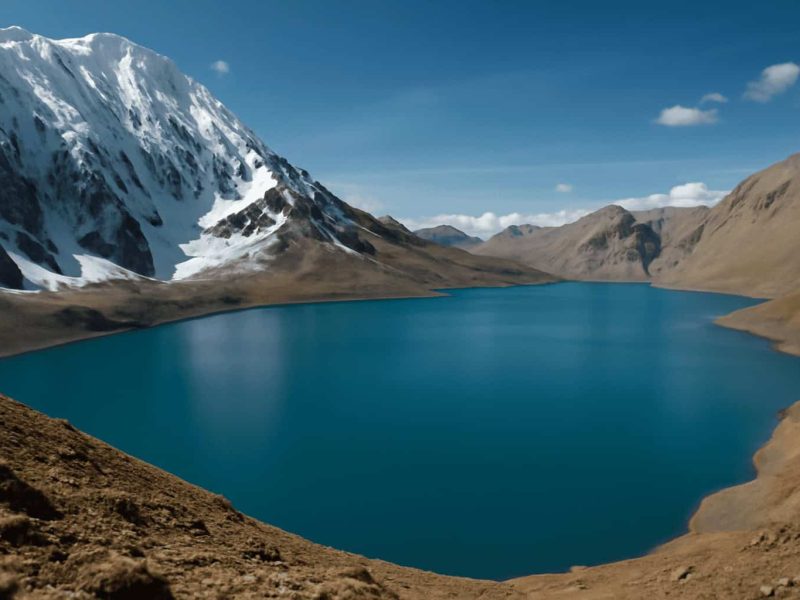
Journey to Tilicho Lake: One of the standout features of this trek is reaching Tilicho Lake, situated at an altitude of 4,919 meters. The lake is surrounded by towering peaks, making it an incredible destination for trekkers who want to experience one of the highest lakes in the world.
Difficulty Level and Duration
The Annapurna Circuit with Tilicho Lake trek is considered moderate to difficult. It requires a good level of fitness as the trek reaches altitudes of over 5,000 meters. The trek can take anywhere from 15 to 20 days, depending on your pace and itinerary.
While the trek offers a fantastic experience, it’s important to prepare for its challenges, especially the altitude. It’s advisable to take it slow and acclimatize properly to avoid altitude sickness.
In summary, the Annapurna Circuit with Tilicho Lake is a journey of a lifetime. It combines stunning views, rich cultural experiences, and physical challenges in one unforgettable adventure. Whether you’re looking to explore diverse landscapes or immerse yourself in the culture of the region, this trek has something for everyone.
Understanding the Weather Patterns in the Annapurna Region
When planning a trek to the Annapurna Circuit with Tilicho Lake, understanding the weather in the region is essential for a safe and enjoyable experience. The weather can vary dramatically depending on the time of year, altitude, and even the specific part of the trek you’re on.
General Weather Conditions in the Annapurna Region
The weather in the Annapurna region is mostly influenced by the monsoon season, winter, and the transitional seasons of spring and autumn. Here’s a breakdown of what to expect:
Spring (March to May): This is one of the best times to trek in the Annapurna region. The weather is mild, and the skies are mostly clear, providing beautiful views of the mountains. The temperature ranges between 10°C to 20°C (50°F to 68°F) at lower altitudes, but it can drop below freezing at higher altitudes.
Summer/Monsoon (June to August): During these months, the region experiences heavy rainfall. The trails can get slippery, and the visibility is often reduced due to clouds. It’s generally not the best time for trekking unless you’re prepared for the wet conditions and have proper rain gear.
Autumn (September to November): This is another peak season for trekking in the Annapurna region. The weather is cooler and dry, making it perfect for hiking. Expect daytime temperatures to range from 10°C to 15°C (50°F to 59°F) at lower altitudes, with colder temperatures at higher elevations. Nights can get chilly, especially above 3,000 meters.
Winter (December to February): It can be very cold in the winter, especially in the higher altitudes. Temperatures can drop as low as -10°C (14°F) or lower. Snowfall is common, and some trekking routes may even be closed due to heavy snow.
Importance of Knowing the Altitude-Weather Correlation
Understanding how altitude affects the weather is crucial when planning your trek. As you ascend to higher altitudes, the weather becomes colder and the air thinner. The temperature drops approximately 6°C for every 1,000 meters you climb.
At lower altitudes (1,000 – 2,000 meters), the weather tends to be warm and temperate. You’ll experience pleasant conditions with mild daytime temperatures.
At higher altitudes (2,500 – 4,000 meters), the weather becomes cooler, and the risk of altitude sickness increases. The air becomes thinner, making it harder to breathe.
Above 4,000 meters, the temperature can drop below freezing, especially at night. Snow and ice can also be encountered in these areas, even during the trekking seasons.
Knowing this altitude-weather correlation helps you pack the right clothing, gear, and supplies, and plan the trek at a pace that suits your acclimatization needs.
Seasonal Variations and How They Impact the Trek
Each season in the Annapurna region brings different challenges for trekkers:
In Spring and Autumn, you’ll enjoy the best weather with clear skies and mild temperatures. These seasons are ideal for trekking, but they can also be the busiest, so you might encounter more people on the trails.
In the Monsoon season, heavy rain can cause landslides, make trails muddy, and reduce visibility. However, if you choose to trek during this time, you’ll see fewer trekkers and the region will be lush and green.
In Winter, the trekking conditions are harsh. Snow may block trails, and temperatures at higher altitudes can be extremely cold, which can make trekking challenging. But, if you are an experienced trekker and prepared for the cold, it can be a peaceful and scenic time to trek, with fewer crowds.
In summary, the best time for trekking in the Annapurna region is during the spring and autumn seasons, where the weather is most favorable. Understanding the altitude-weather correlation and seasonal variations will help you prepare for the trek by choosing the right time, packing the appropriate gear, and adjusting your pace for a safer and more enjoyable journey.
Best Time to Trek – Spring Season (March to May)
Spring is the perfect time for trekking in the Annapurna Circuit with Tilicho Lake. Here’s why:
Ideal Weather Conditions: During the spring season, you’ll enjoy moderate temperatures that aren’t too hot or cold, making it comfortable for trekking. The skies are often clear, giving you beautiful views of the mountains and surroundings.
Best Features of Spring Trekking: One of the most stunning features of trekking in the spring is the blooming rhododendrons. The trails are lined with vibrant flowers, creating a colorful and scenic environment. Plus, less snowfall means you don’t have to worry about too much snow blocking the path, making your journey smoother.
Why Spring is the Best Time for Trekking:
Great Visibility: Clear skies allow for better visibility of the mountains and valleys, making your trek more enjoyable.
Comfortable Trekking Conditions: The weather is mild, making the trekking experience pleasant and less exhausting.
Fewer Crowds: Unlike the peak season, spring sees fewer crowds, which means you can enjoy a more peaceful and quieter experience on the trails.
In Summary: Spring, from March to May, is an ideal time to trek in the Annapurna Circuit with Tilicho Lake. It offers the best weather conditions, scenic beauty with blooming flowers, and fewer tourists. So, if you want a comfortable and enjoyable trekking experience, spring is the time to go!
Best Time to Trek – Autumn Season (September to November)
Why Autumn is the Best Time to Trek in Nepal Autumn (from September to November) is considered the best time to trek in Nepal. During these months, the weather is stable, dry, and the skies are clear, providing excellent views of the stunning mountains and landscapes.
What to Expect with the Weather
Clear Skies: You’ll experience bright, sunny days with minimal clouds, offering clear views of the Himalayas.
Mild Temperatures: The days are warm, especially at lower altitudes, and the nights are cool but not too cold, making it comfortable for trekking.
Dry Weather: It’s the dry season, so you won’t have to worry about heavy rain or muddy trails, which can make hiking more challenging during other seasons.
Advantages of Trekking in Autumn
Perfect Trekking Conditions: With the weather being mild, it’s easier to trek for long hours without feeling too hot or cold.
Clear Mountain Views: Autumn offers some of the best views of the Himalayan range, making it an unforgettable experience for trekkers.
Great for Photography: The clear skies and beautiful landscapes create ideal conditions for taking stunning photos during your trek.
Things to Keep in Mind
Higher Foot Traffic: Autumn is the peak trekking season in Nepal, so you might encounter more people on the popular trekking routes. This could mean more crowded trails.
Advanced Booking Required: Since many people visit during this time, it’s a good idea to book your permits and accommodations in advance to avoid any last-minute hassles.
Off-Season Trekking: Winter Season (December to February)
Challenges: Trekking during the winter season (from December to February) can be tough because of cold weather and snow. Some trekking paths may get blocked due to snow, making it harder to travel. There’s also a risk of avalanches in certain regions, which can be dangerous for trekkers.
Considerations: The winter season is off-season for trekking, so you’ll find fewer trekkers on the trail. This means you’ll enjoy a much quieter and peaceful experience, surrounded by serene snowy landscapes. For those who love solitude and don’t mind the cold, this could be a perfect time to explore nature in its most tranquil form.
Gear and Preparation Tips:
Warm Clothing: It’s essential to wear layers of warm clothing. Choose moisture-wicking fabrics to keep sweat away and insulated jackets to trap warmth.
Thermal Wear: Make sure to pack thermal underwear and woolen socks to stay warm in freezing temperatures.
Proper Footwear: Waterproof boots with good grip are crucial to navigate through snow and icy paths safely.
Sleeping Bag: Invest in a high-quality sleeping bag that can handle freezing temperatures, ensuring you stay warm at night.
Trekking Poles: These will help maintain balance and support, especially on slippery or snowy terrain.
Sun Protection: Even in winter, the sun’s UV rays can be harsh. Use sunscreen and sunglasses to protect your skin and eyes.
Key Considerations for Winter Trekking
Fewer Crowds: With fewer trekkers on the trail, you’ll have more space and peace to enjoy nature.
Risk Factors: Be prepared for more unpredictable weather and possibly dangerous conditions. Check weather forecasts regularly, and if you’re new to winter trekking, it’s a good idea to go with an experienced guide or trekking agency.
Whether you’re a seasoned trekker or someone seeking a peaceful winter adventure, proper preparation and the right gear can help you have a safe and enjoyable trekking experience during the off-season.
Summer Trekking: Monsoon Season (June to August)
Why Trekking During the Monsoon is Not Ideal
Trekking during the monsoon season (June to August) is not the best choice for many reasons. The biggest problem is heavy rainfall. The constant rain makes the trails very slippery, which can lead to accidents. Moreover, the wet conditions attract leeches, which can be a nuisance for trekkers.
Risks Involved
Landslides: The heavy rain makes the ground unstable, which can cause landslides. This can block paths or even put trekkers in danger.
Flooded Trails: Many trekking paths get flooded during the monsoon, making it difficult or impossible to continue your journey safely.
Alternative Trekking Options
If you still want to go trekking during the monsoon season, you can consider some alternative trekking options:
Lower Altitude Treks: Choose treks in areas with lower altitudes. The rainfall is usually less intense, and the weather is more predictable.
Trekking in Rainshadow Areas: Certain trekking regions, like the Mustang area, lie in the rainshadow of the Himalayas, meaning they get less rainfall during the monsoon season.
Shorter Treks: Go for shorter treks where the risks are lower. Day hikes or weekend treks can be a good option for the rainy season.
Even though trekking in the monsoon can be challenging, if you are prepared and choose the right routes, it can still be an adventurous experience. Just make sure to check the weather forecast and always prioritize safety.
How to Choose the Best Time Based on Personal Preferences
Choosing the best time for your trek depends on various factors like the weather, crowds, costs, and your personal fitness. Understanding these factors will help you pick the right time for your adventure, making it more enjoyable and suited to your needs.
Weather: What’s the Best Climate for You?
The weather is one of the most important factors to consider when planning a trek. The best time for trekking usually falls within the pre-monsoon (spring) and post-monsoon (autumn) seasons in Nepal. These times offer clear skies and pleasant temperatures.
Spring (March to May): The weather is warmer, and flowers like rhododendrons bloom. This time is perfect for trekkers who enjoy mild weather.
Autumn (September to November): The weather is stable, and the skies are clear, ideal for great views. This is considered the peak trekking season.
If you prefer cooler weather or want to avoid the heat, you might want to avoid trekking in the summer months (June to August) because of the rainy monsoon season.
Crowds: Do You Want to Trek Alone or with Others?
If you love solitude and peace, you might want to avoid the crowded trekking seasons. During the peak seasons (autumn and spring), trekking trails can be busy with other trekkers.
On the other hand, if you enjoy meeting fellow trekkers and being part of a lively group, the peak season might be more enjoyable for you.
Off-season (Winter and Monsoon): These times have fewer trekkers, so if you prefer a quieter trek, this might be the best time for you. However, the weather might be less predictable, and some trails may be harder to navigate.
Costs: Are You on a Budget?
The costs of trekking can vary depending on the season.
Peak Season (Autumn and Spring): During these months, you may find that flights, accommodations, and other services are more expensive due to high demand. However, everything is open, and many trekking agencies offer their best services.
Off-Season (Monsoon and Winter): You can save money during the off-season because of fewer trekkers and lower prices. However, some routes might be closed or less accessible due to bad weather.
If you’re looking for a budget-friendly experience, consider trekking during the shoulder season (late spring or early autumn), when prices are moderate, and the weather is still good.
Personal Fitness: Choose Based on Your Comfort Level
Your fitness plays an important role in choosing the best trekking time. If you’re new to trekking or want a more relaxed pace, you might prefer the more stable weather of autumn or spring, when the trails are well-maintained and accessible.
Winter (December to February): This can be tough for beginners because of the cold, snowy conditions, which require more physical stamina and proper gear.
Monsoon (June to August): The trails might be slippery, and visibility can be poor, so trekking in the monsoon requires good fitness and experience. Beginners should avoid this season.
Seasonal Impact on Your Experience
Different seasons bring unique experiences.
Spring: The hills are colorful, with flowers in bloom, and the temperature is perfect for trekking.
Autumn: The air is clear, and the mountain views are breathtaking, but the trails are busier.
Monsoon: The trails are quieter, but rain can make trekking difficult and dangerous.
Winter: Cold temperatures and snow can make for a more challenging experience, but some trekkers love the solitude and crisp air.
The best time to trek ultimately depends on what you value most: weather, crowds, cost, or personal fitness. If you’re looking for clear weather and beautiful views, autumn and spring are the best choices. If you’re on a budget and prefer fewer people around, the off-season could be a great fit. Your personal comfort, fitness level, and preference for social or solitary trekking will guide you in choosing the perfect season for your adventure.
Conclusion and Final Tips
Best Time to Trek Annapurna Circuit with Tilicho Lake
To make your trek the most enjoyable, the time you choose to go is super important. Let’s quickly go over the best seasons:
Spring (March to May): This is one of the best times for trekking. The weather is mild, and flowers are blooming all around, making the view amazing.
Autumn (September to November): Another top time to go. The weather is clear and perfect for trekking, and you’ll see beautiful mountain views.
Summer (June to August): This time is known for rain, which can make trekking tricky. However, fewer people are on the trail, so it’s quieter.
Winter (December to February): It’s cold, and snow can make the trail tough, but if you’re prepared for the cold, you’ll get fewer crowds and a unique experience.
Final Recommendations:
Prepare for changing conditions: The weather can change quickly, so make sure to pack clothes for all seasons—warm layers, rain gear, and sun protection.
Book in advance: It’s always a good idea to plan and book your trek early, especially if you’re going in peak seasons like spring or autumn. This ensures you get a spot at the guesthouses and helps with permits.
Plan for altitude acclimatization: As you’ll be trekking at high altitudes, make sure to give your body enough time to adjust. Take it slow, drink lots of water, and rest if needed.
Choose Your Ideal Season:
Everyone’s trek goals are different. If you want to see lots of flowers, go in spring. If you want the clearest skies, choose autumn. No matter when you go, the Annapurna Circuit with Tilicho Lake is an incredible journey. Make sure you pick the season that fits your expectations and physical preparation.