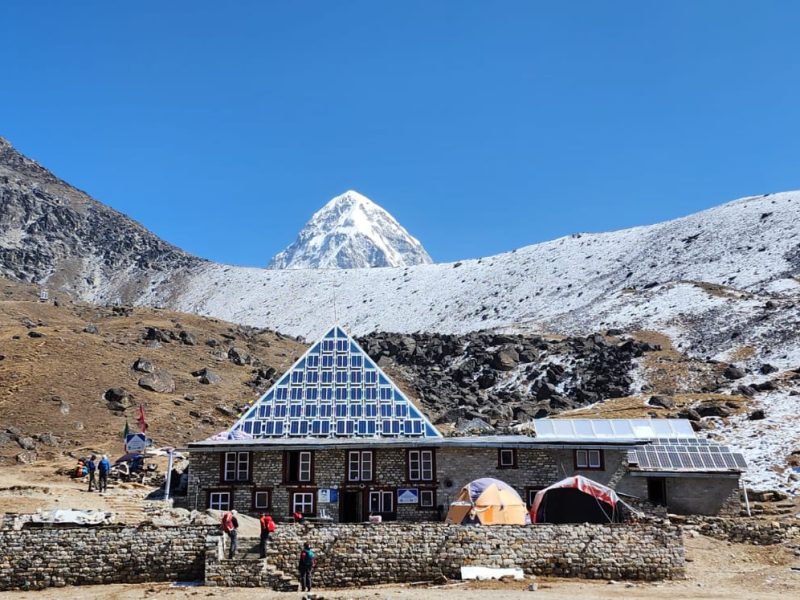
The Everest Pyramid Station is a unique research station located at an altitude of about 5,050 meters (16,568 feet) near Lobuche, a village on the way to Mount Everest in Nepal. Positioned in the heart of the Himalayas, this station is one of the highest scientific research stations in the world. Its remote location makes it a perfect spot for scientific studies related to climate, atmospheric conditions, and high-altitude ecosystems.
The Everest Pyramid Station plays a critical role in high-altitude scientific research. It is a hub for studies on the atmosphere, environmental changes, and climate science. Researchers from across the globe visit this station to collect data about weather patterns, glaciology, and the effects of climate change on the Himalayan glaciers. Its significance lies in the data it provides, which helps scientists understand global environmental changes.
One intriguing fact about the Everest Pyramid Station is that it is named after its pyramid-shaped structure. Built in 2008, it was designed to withstand harsh weather conditions and support scientific equipment at extreme altitudes. The station is a symbol of human resilience and innovation, standing tall in the most challenging environment on Earth.
This station’s work has led to discoveries that are helping global scientific communities better understand the impact of climate change in mountainous regions. By supporting climate research, the Everest Pyramid Station is a key contributor to preserving the Himalayan ecosystem and addressing environmental challenges.
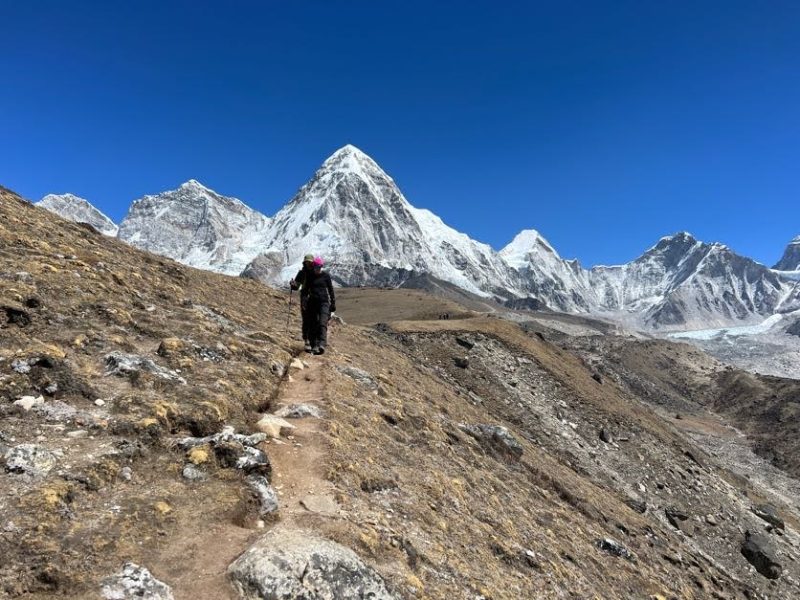
The Everest Base Camp Trek is one of the most famous trekking routes in the world. It takes trekkers on an unforgettable journey through the breathtaking landscapes of the Khumbu region in Nepal, all the way to the base camp of Mount Everest, the highest peak on Earth. The trek is known for its stunning views of the Himalayas, including peaks like Lhotse, Nuptse, and Ama Dablam. Starting in the bustling town of Lukla, trekkers make their way through Sherpa villages, across suspension bridges, and along rocky paths to finally reach the base camp, situated at 5,364 meters (17,598 feet).
During this journey, trekkers pass through the village of Lobuche, a key point along the trail. Lobuche is located at an altitude of 4,910 meters (16,109 feet), and it serves as a resting point for trekkers before they make the final push to Everest Base Camp. The village offers stunning views of the surrounding mountains and is an important stop for acclimatization. Its strategic location allows trekkers to adjust to the higher altitudes and avoid altitude sickness. As trekkers pass through Lobuche, they also come closer to another notable landmark, the Everest Pyramid, a research facility used by scientists to study the atmosphere and climate at high altitudes.
The Everest Pyramid, located just a short distance from Lobuche, plays a key role in the Everest Base Camp Trek experience. This research facility, situated at 5,050 meters (16,568 feet), is one of the highest research stations in the world. Trekking to this facility provides trekkers with the opportunity to learn more about the ongoing scientific research happening at this extreme altitude. Researchers study the effects of altitude on human health, the local environment, and the changing climate. By passing through Lobuche and getting closer to the Everest Pyramid, trekkers not only get to experience the beauty of the Himalayas but also connect with the scientific community’s efforts in exploring and understanding the effects of extreme environments.
The Everest Pyramid Station is a unique scientific research center located in the Himalayas near Mount Everest. Positioned at an impressive altitude of 5,050 meters (16,572 feet) above sea level, it stands as one of the highest research stations in the world. The station’s distinctive pyramid-shaped structure allows it to endure the harsh conditions of the region, including freezing temperatures and strong winds, making it a vital location for high-altitude scientific research.
The Everest Pyramid Station’s primary function is to support scientific research focusing on climate change, geology, and environmental sciences. Scientists from all over the globe visit the station to collect valuable data and conduct environmental research at the top of the world. This high-altitude research station provides an essential platform to study how global warming and climate change impact the Himalayan region and other mountainous ecosystems.
The creation of the Everest Pyramid Station is a result of international collaboration. It was established by the Italian government in partnership with Nepal and various global organizations. This international effort has fostered global cooperation, allowing scientists from different countries to collaborate on research about climate change and environmental preservation. The data gathered at the Everest Pyramid Station contributes to the global understanding of environmental challenges faced by high-altitude regions like the Himalayas.
Background on the Italian Research Center and its Role in High-Altitude Research
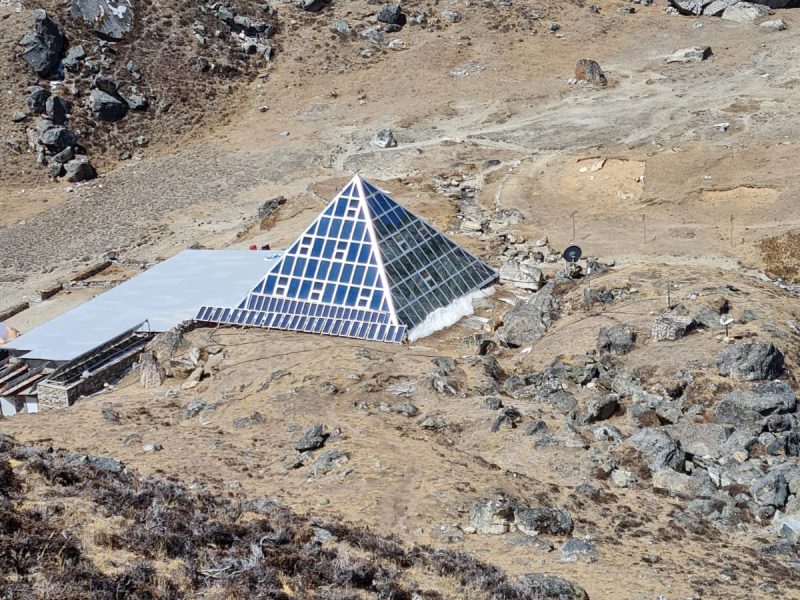
The Italian Pyramid Research Center, located at an incredible altitude in the Mount Everest region, is a key hub for high-altitude research. Situated in the Himalayas, this research station is perfect for studying the Earth’s atmosphere, climate change, and space science. It offers scientists the unique advantage of conducting studies in extreme high-altitude conditions, making it a valuable asset for global scientific communities. The Pyramid Research Center is equipped with state-of-the-art tools, making it ideal for cutting-edge research that cannot be carried out at lower altitudes. Its strategic location helps scientists collect valuable data for environmental monitoring and space science.
Overview of the Types of Scientific Studies Conducted at the Station
At the Italian Pyramid Research Center, researchers focus on a variety of important scientific fields, including climate change, environmental science, and space science. The center plays a major role in studying the effects of climate change on the Himalayan glaciers and snowmelt patterns. It also conducts atmospheric studies, monitoring air quality and weather conditions at high altitudes. The Pyramid Research Center is also involved in tracking cosmic rays and conducting space weather studies, which help scientists understand how space weather affects both Earth and technology in space. This makes the center an important hub for climate and space science research.
The Mission of the Center and Its Goals for Environmental Monitoring and Space Science
The mission of the Italian Pyramid Research Center is to monitor environmental changes and advance our understanding of space science. Its primary focus is on environmental monitoring, particularly in the context of climate change and pollution tracking in remote areas. By studying the effects of altitude on the environment, the center provides key data to support global climate research. It also contributes to space science, where it helps track space weather, such as cosmic rays, which can impact both Earth’s environment and space technologies. The Pyramid Research Center’s research aids in disaster response, environmental protection, and improving our understanding of both Earth and outer space environments.

The Everest Pyramid Station is a unique scientific research facility located near Mount Everest in Nepal. Positioned at an impressive altitude of 5,050 meters (16,572 feet), it stands as one of the highest research stations in the world. The Everest Pyramid Station is designed in the shape of a pyramid, making it a distinct landmark in the region. This design helps the station withstand the extreme weather conditions, including freezing temperatures and strong winds, commonly found at such high altitudes.
The main purpose of the Everest Pyramid Station is to support scientific research, particularly focusing on climate change, geology, and environmental sciences. The station serves as a critical platform for global scientists to study how climate change is affecting the Himalayas and the world at large. Research conducted here helps monitor the environmental changes in the high-altitude regions, which are especially sensitive to global warming. Scientists use the station to gather data on weather patterns, glacial melting, and the impact of climate change in the region.
The Everest Pyramid Station is the result of international collaboration, primarily between Nepal and Italy, with contributions from other global partners. This cooperation enables scientists from around the world to collaborate, share knowledge, and engage in vital research. The Italy-Nepal collaboration behind the station strengthens the global effort to understand the environmental changes occurring in the Himalayas and the impact of these changes on our planet.
Pyramid Design on Everest for Research
At the highest point on Earth, on Mount Everest, a pyramid-shaped research station stands tall. The pyramid design isn’t just visually striking; it’s purpose-built to survive Everest’s extreme conditions. With its sharp angles and slanted sides, the pyramid structure allows snow and wind to flow off easily, reducing the risk of snow buildup and damage. This makes it an ideal shape for research centers on high-altitude mountains like Everest, where harsh weather can quickly cause trouble.
Designing for Extreme Conditions
The architecture of the pyramid-shaped station is perfectly suited to endure Everest’s severe conditions, including freezing temperatures, high winds, and low oxygen. This design ensures that the building remains stable, even during heavy snowfall or avalanches. The pyramid shape allows snow and ice to slide off the sides, preventing accumulation and minimizing any potential structural damage. With reinforced materials and advanced insulation, the building can protect those inside from the fierce conditions that are typical at the top of the world.
Why the Pyramid Design Works for Everest
The pyramid design is an excellent choice for high-altitude research stations like the one on Mount Everest. Its steep sides allow snow and ice to easily slide off, reducing the risk of structural failure. The pyramid’s base provides a stable foundation that can withstand extreme wind conditions and heavy snowfall. The shape is not only visually appealing but also incredibly effective in high-altitude environments, where traditional building designs may struggle to cope with the tough conditions.
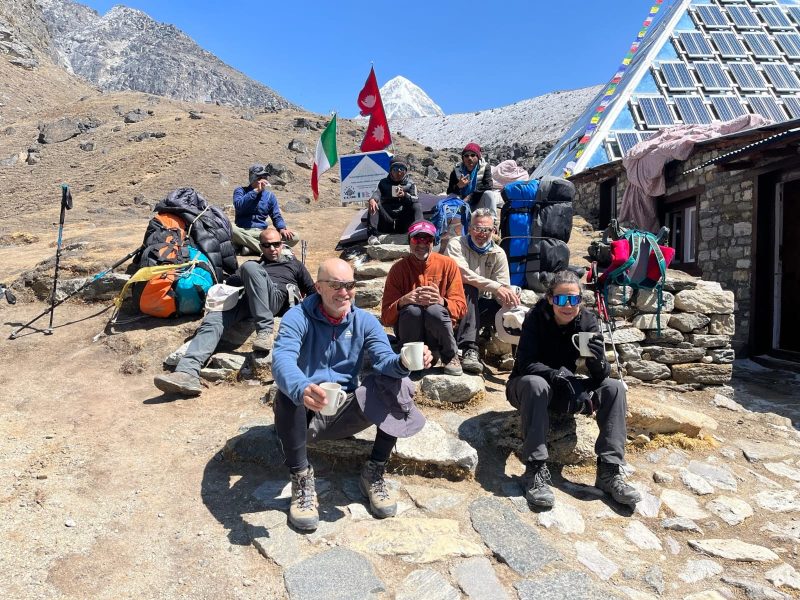
Research from the Everest Pyramid Station plays a vital role in advancing global scientific understanding. Located at one of the highest points on Earth, this high-altitude research station provides a unique environment for studying crucial topics. Scientists conduct research that contributes significantly to fields like climate change, astronomy, and geophysics. The station’s high-altitude research offers invaluable data that would be hard to gather anywhere else, helping to improve our knowledge of the Earth’s atmosphere, weather patterns, and even space.
At the Everest Pyramid Station, high-altitude research on climate change is a top priority. The station provides a unique opportunity for scientists to study how the environment is changing at high altitudes. By monitoring weather patterns, air pollution, and temperature shifts, researchers can better understand how climate change is affecting the planet, especially in vulnerable regions. This research is crucial because it helps predict future environmental changes, guiding global efforts to combat climate issues.
In addition to climate studies, astronomy research conducted at the Everest Pyramid Station has a significant impact. The station’s high altitude allows for clearer observations of distant stars, planets, and galaxies. This enables astronomers to gain a deeper understanding of the universe and its phenomena. Furthermore, geophysics research is conducted at the station to study the Earth’s movements, magnetic field, and geological structure. The high-altitude location provides an excellent vantage point for examining these natural processes that shape our planet.
The collaboration with international institutions and universities enhances the value of the research conducted at the Everest Pyramid Station. Scientists from various countries come together to share knowledge and resources, resulting in research that benefits the global community. By collaborating with leading research institutions, the Everest Pyramid Station supports efforts to tackle global challenges, such as climate change, space exploration, and understanding the Earth’s geological changes.
The Everest Pyramid Station is not just a landmark; it’s a symbol of scientific exploration in one of the world’s most remote regions. Located at an elevation of 5,050 meters near Everest Base Camp, this station is a hub for high-altitude research. Scientists conduct studies related to climate change, glaciology, and other environmental factors, contributing valuable insights to global scientific knowledge. The station provides a unique opportunity for researchers to study the extreme conditions of the Himalayan region and its dynamic environment.
For trekkers, the Everest Pyramid Station is a must-see stop along the way to Everest Base Camp. This trekking adventure offers more than just stunning views of Mount Everest; it allows trekkers to explore a site where scientific research and the natural world come together. The station provides trekkers with a deeper understanding of the importance of high-altitude research while experiencing one of the world’s most iconic trekking routes.
The Everest Pyramid Station stands as a beacon of scientific exploration in the Himalayas, highlighting humanity’s pursuit of knowledge in some of the most challenging environments on Earth. Located at one of the highest points on the Everest trek, it serves as a reminder that scientific discovery continues to thrive, even in remote and harsh conditions. For anyone seeking an enriching trekking experience, visiting this station will offer a combination of adventure and scientific discovery that is truly unforgettable.
If you’re planning an Everest Base Camp trek, be sure to include the Everest Pyramid Station in your itinerary. It’s a fantastic opportunity to witness the intersection of trekking and high-altitude research. Make your adventure even more meaningful by visiting this scientific landmark, offering you both stunning natural beauty and a glimpse into cutting-edge research in the Himalayas.
Call/WhatsApp: +977-9851218358 | +977-9841937489
Email: info@natureheaventrek.com | natureheaventrek@gmail.com
Address: Pakjonal Marga-16, Thamel, Kathmandu, Nepal
Website: https://natureheaventrek.com/