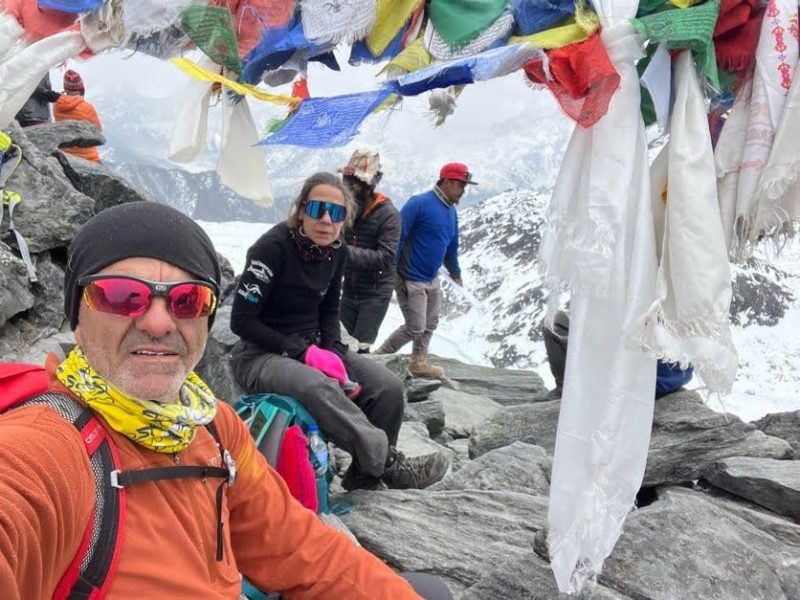
Nepal’s Three Passes Trek is one of the most thrilling trekking adventures in the world, offering trekkers a chance to explore the stunning Himalayan landscapes. This challenging trek takes you across three major mountain passes: Kongma La Pass, Cho La Pass, and Renjo La Pass. Known for its rugged terrain and breathtaking views, the Three Passes Trek is perfect for experienced trekkers looking for an adventure that combines high-altitude trekking with incredible scenery. Along the way, you’ll be treated to some of the best views of Everest, Lhotse, and Makalu.
Among the highlights of the Nepal Three Passes Trek, the Kongma La Pass stands out. This high-altitude pass, standing at 5,535 meters (18,159 feet), offers an unforgettable view of the Khumbu region. It is the highest and most challenging of the three passes. Trekkers who conquer Kongma La Pass are rewarded with spectacular views of Mount Everest, Lhotse, and other towering peaks of the Himalayas. The Kongma La Pass is a key reason why the Three Passes Trek is considered an epic adventure, attracting trekkers seeking a challenge combined with the beauty of the Everest region.
The Three Passes Trek offers much more than just a physical challenge. This trek takes you through remote Sherpa villages, past glacial lakes, and over high-altitude passes, all while showcasing the grandeur of the Himalayas. With Kongma La Pass as one of its highlights, the trek offers an extraordinary adventure, with each pass providing unique views and challenges. Whether you’re looking to conquer high-altitude passes or soak in the stunning mountain views, the Three Passes Trek is a once-in-a-lifetime adventure that combines both beauty and difficulty, making it ideal for seasoned trekkers.
The Three Passes Trek in Nepal is the perfect choice for trekkers who are seeking an adventure that pushes their limits while offering some of the most incredible views on earth. From the challenging Kongma La Pass to the stunning landscapes of the Everest region, this trek promises an experience you’ll never forget. Prepare for high-altitude trekking, magnificent views, and a deep sense of achievement as you cross the three passes, each more thrilling than the last. Get ready for the adventure of a lifetime!
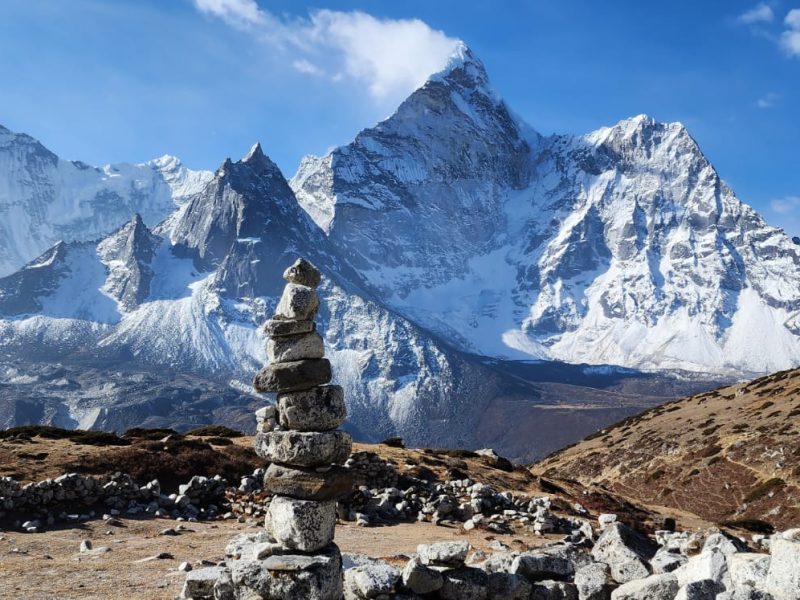
Kongma La Pass is one of the highest trekking passes in the Everest region of Nepal. Located at an altitude of 5,535 meters (18,159 feet), it connects the villages of Chhukhung and Gorak Shep. This pass is part of the famous Three Passes Trek, which takes trekkers on an adventure through some of the most breathtaking landscapes in the Himalayas. It is considered a challenging part of the trek, requiring both physical stamina and mental endurance due to its high altitude and steep terrain.
The Kongma La Pass is an important route for trekkers exploring the Everest region, offering stunning views of surrounding mountains, including Mount Everest, Lhotse, Nuptse, and Makalu. Trekking through Kongma La is not only physically challenging but also spiritually rewarding, as it allows trekkers to experience the raw beauty of the Himalayas and the deep culture of the Sherpa people. Its significance lies in its connection between different trekking routes and its role in the famous Three Passes Trek. While many trekkers choose to take the route for its adventure and natural beauty, it also offers a unique opportunity to experience the solitude of the mountains.
Kongma La Pass has deep historical and cultural importance, especially to the local Sherpa people. Sherpas have been living in the Everest region for centuries and have used the trails and passes, including Kongma La, as routes for trade, religious pilgrimages, and migration. The region has many monasteries and prayer flags, which are seen as symbols of spiritual significance for the Sherpas. Trekking through Kongma La provides visitors a chance to witness the Sherpa way of life and their connection to the Himalayan mountains.
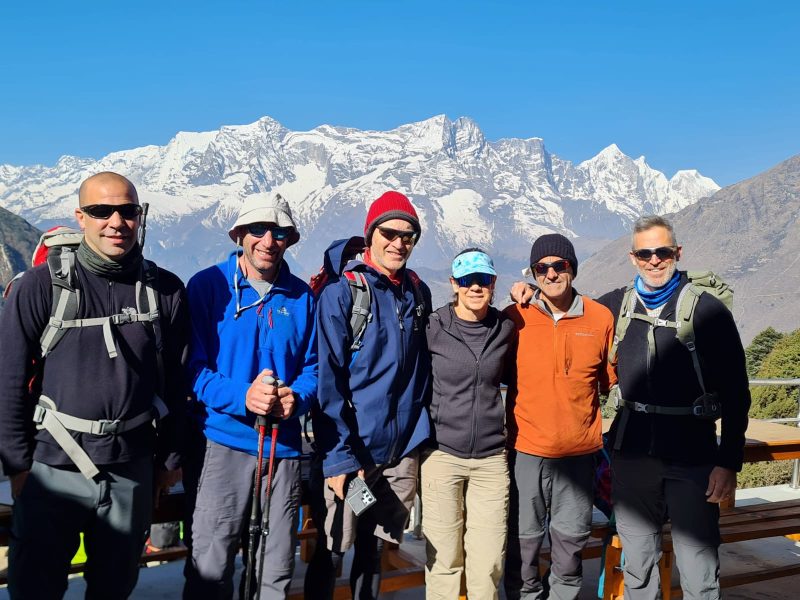
Kongma La is a key component of the Three Passes Trek, which is one of the most popular and challenging treks in Nepal. The trek covers three main passes: Kongma La, Cho La, and Renjo La. Each pass presents its own challenges, but Kongma La stands out because of its high altitude and dramatic landscapes. The connection to the Everest region is important for trekkers because it allows access to the famous Everest Base Camp and offers panoramic views of some of the world’s highest peaks, making it a must-do trek for serious hikers and adventurers.
Kongma La Pass is located at an impressive elevation of 5,535 meters (18,159 feet) above sea level. It is one of the high-altitude trekking passes in the Everest region of Nepal. The pass is known for its stunning views of the surrounding Himalayan peaks, including Mount Everest, Lhotse, and Nuptse, making it a popular destination for trekkers who are looking for a challenging adventure.
At 5,535 meters (18,159 feet), Kongma La Pass sits high in the Himalayas. Trekking at such an elevation offers a unique experience, with breathtaking landscapes and an unforgettable journey through the rugged terrain of the Khumbu region. The elevation makes it a demanding trek, requiring physical fitness and proper acclimatization to avoid altitude sickness.
When trekking at high altitudes like Kongma La Pass, the reduced oxygen levels can affect your body. The higher you go, the less oxygen is available, making it harder to breathe. This can lead to altitude sickness, which includes symptoms like headaches, dizziness, and nausea. To prevent this, trekkers need to acclimatize properly by ascending gradually, allowing their bodies to adjust to the higher elevations. Understanding the impact of altitude is crucial for a safe and enjoyable trekking experience.
The Kongma La Pass Trek is a thrilling adventure in the Everest region of Nepal, offering trekkers stunning views and a challenging route. The trek begins at Chukhung, takes you over Kongma La Pass, and then leads to Lobuche. In this guide, we’ll break down the Kongma La Pass trekking route, key points along the trail, and what trekkers can expect.
The Kongma La Pass Trek route starts in the picturesque village of Chukhung, which serves as the gateway to the trek. From here, trekkers make their way to Kongma La Pass, a high-altitude pass that rewards hikers with breathtaking views of towering mountains like Lhotse and Makalu. After crossing the pass, the trail continues to Lobuche, a popular rest stop for trekkers heading to Everest Base Camp. The entire trek follows a well-established route, and you’ll pass through scenic villages, alpine meadows, and rugged landscapes.
This trek typically spans 12-14 days, with trekkers covering 5-7 hours of trekking per day. Some key points along the trail include:
Each day of the trek offers new vistas and unique experiences, making it a memorable journey for any adventure lover.
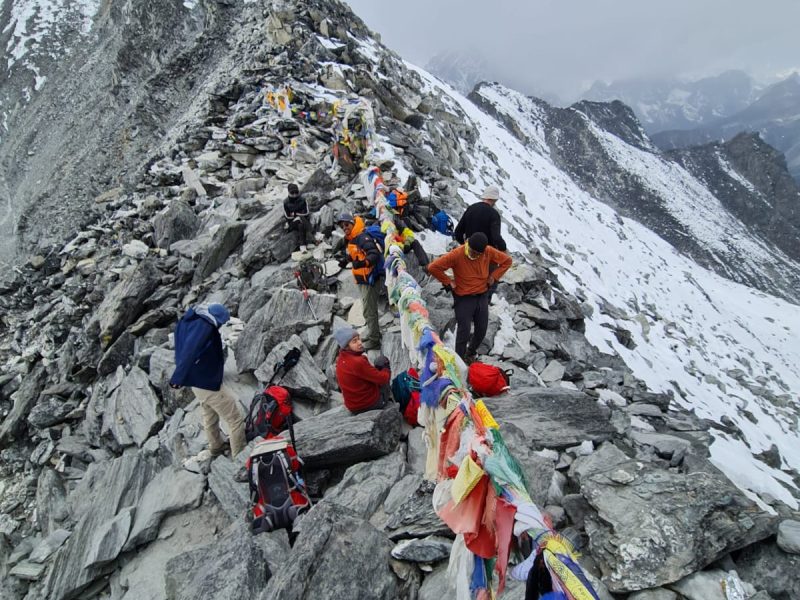
The Kongma La Pass Trek difficulty is considered medium. While the trek is suitable for experienced trekkers, it involves challenging uphill climbs, cold temperatures, and the physical demands of high-altitude trekking. The route includes long days of walking, and trekkers should expect varying weather conditions, including cold winds and snow at higher altitudes. Acclimatization days are essential to avoid altitude sickness.
Altitude Sickness and How to Prevent It
Trekking to Kongma La Pass involves reaching high altitudes, which can lead to altitude sickness due to lower oxygen levels. Symptoms like dizziness, headaches, and nausea are common. To prevent altitude sickness on your Kongma La trek, it’s essential to acclimatize by spending extra time at lower altitudes before heading higher. Stay hydrated, avoid alcohol, and eat nutritious meals. If you experience symptoms of altitude sickness, it’s crucial to rest and seek medical attention. Proper altitude acclimatization can help you safely enjoy the trek.
Trekking Conditions: Rugged Trails, Weather, and Terrain
The Kongma La Pass trek is known for its rugged trails and challenging terrain. The path can be rocky, steep, and at times slippery, especially during bad weather. The weather on Kongma La can change rapidly, so it’s important to be prepared for cold, wind, and possible rain or snow. Having the right trekking gear is essential to stay comfortable. Make sure to wear sturdy trekking boots, bring waterproof jackets, and pack warm layers, as the temperatures can drop quickly as you ascend.
Physical Fitness and Preparation Needed for the Trek
To successfully trek to Kongma La Pass, you need to be in good physical condition. The trek involves long hours of walking on steep inclines, which demands strong leg muscles and good cardiovascular fitness. Begin training by walking, hiking, and doing cardio exercises like running or cycling. Carry a loaded backpack during training to get used to the weight. This physical preparation will make the Kongma La trek safer and more enjoyable, allowing you to handle the physical challenges with ease.
Panoramic Views from Kongma La Pass
Kongma La Pass provides some of the most stunning panoramic views in the Himalayas. At the top of this mountain pass, trekkers are treated to a 360-degree view that showcases the beauty of towering Himalayan peaks, glaciers, and valleys. This breathtaking scenery is one of the highlights of the trek, making it a favorite for adventure travelers. Whether you’re a seasoned trekker or new to the mountains, the views from Kongma La Pass will leave you in awe and offer a memory that lasts a lifetime.
Incredible Views of Everest, Lhotse, Makalu, and More
One of the main attractions of Kongma La Pass is the incredible view of Mount Everest, the tallest mountain in the world. From here, you can also see Lhotse, the fourth-highest peak, and Makalu, known for its sharp, dramatic summit. Along with these giants, you’ll get spectacular views of Amadablam, Nuptse, and other iconic peaks of the Himalayan range. These snow-covered mountains create a truly mesmerizing sight that will make your trek to Kongma La Pass unforgettable.
Best Time to Visit Kongma La Pass for Optimal Views
To get the best views of the Himalayan peaks from Kongma La Pass, the ideal time to trek is during the pre-monsoon (spring) and post-monsoon (autumn) seasons. Spring (March to May) and autumn (September to November) offer clear skies and good visibility, allowing you to enjoy unobstructed views of Mount Everest, Lhotse, Makalu, and more. The summer months, from June to August, often bring rain and cloud cover, which can obscure the views, so it’s best to plan your trip outside of this period for the best experience
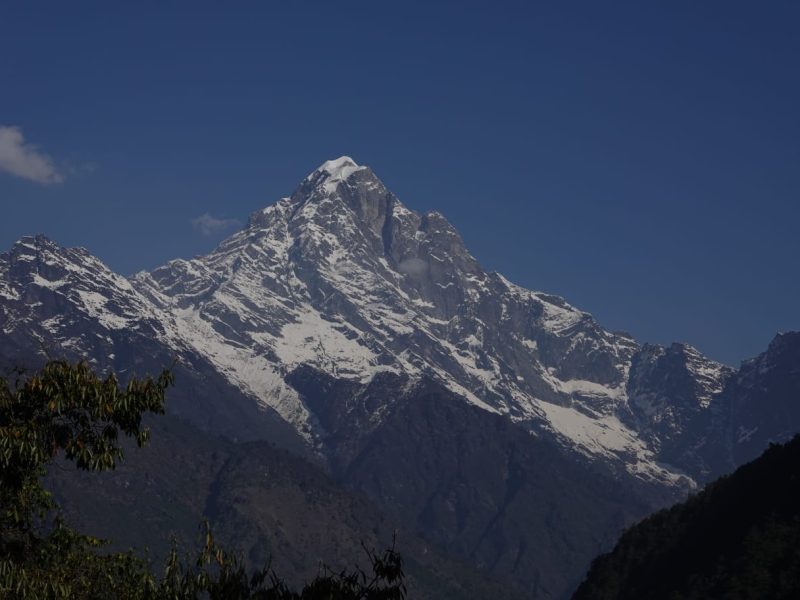
The best time to trek Kongma La Pass is during the Autumn (September to November) and Spring (March to May). These two seasons are considered the most favorable for trekking, offering clear skies, moderate temperatures, and stunning views. Whether you’re trekking in Autumn or Spring, you’ll enjoy ideal trekking conditions, making these seasons the perfect time for a memorable journey through the Annapurna region.
Weather Patterns & Temperature
During Autumn, temperatures are moderate, ranging from 10°C to 15°C during the day, and between 0°C to 5°C at night. The weather is dry, with clear skies and minimal chance of rain, ensuring safe and enjoyable trekking conditions. Similarly, Spring offers pleasant temperatures between 15°C and 20°C during the day, with cooler nights. Both seasons provide clear, sunny days, perfect for trekking the Kongma La Pass trail.
Trekking Conditions
The Autumn trekking season and Spring trekking season offer the best trekking conditions for Kongma La Pass. With dry trails, moderate temperatures, and clear weather, trekkers can navigate the rocky terrains, snowfields, and steep ascents with ease. These seasons provide ideal trekking weather, making it easier to enjoy the beautiful landscapes and panoramic views of the Annapurna region.
Impact of Seasons on the Trail Experience
Trekking during Autumn and Spring also enhances the overall experience. Autumn brings vibrant foliage with golden and red leaves, while Spring is known for its colorful rhododendron blooms and wildflowers. Both seasons create a lively atmosphere along the trail, as more trekkers explore the stunning landscapes. Trekking outside of these seasons, like during the monsoon, can lead to muddy trails, cloud cover, and reduced visibility, which can make the journey more challenging.
Kongma La Pass vs Other Passes in Nepal: A Comparison
When planning an epic trekking adventure in Nepal, Kongma La Pass is a name that often comes up, especially for those tackling the Three Passes Trek. But how does Kongma La compare to other popular trekking passes in Nepal, like Renjo La and Cho La? Let’s explore the differences and see why Kongma La stands out among them.
The Three Passes Trek is one of the most renowned treks in Nepal, offering three major passes: Kongma La, Renjo La, and Cho La. Renjo La Pass is often considered less difficult than Kongma La, offering a more moderate challenge with fewer crowds, making it a great choice for trekkers seeking a quieter experience. Meanwhile, Cho La Pass is the most popular among trekkers, mainly because it connects the Everest Base Camp Trek, making it busier but also more accessible.
However, Kongma La is unique in its own right. It provides breathtaking views of the Everest Range, making it a favorite for those seeking an off-the-beaten-path adventure. The pass is known for its steep climb and more rugged terrain, making it ideal for experienced trekkers looking for a physically challenging experience.
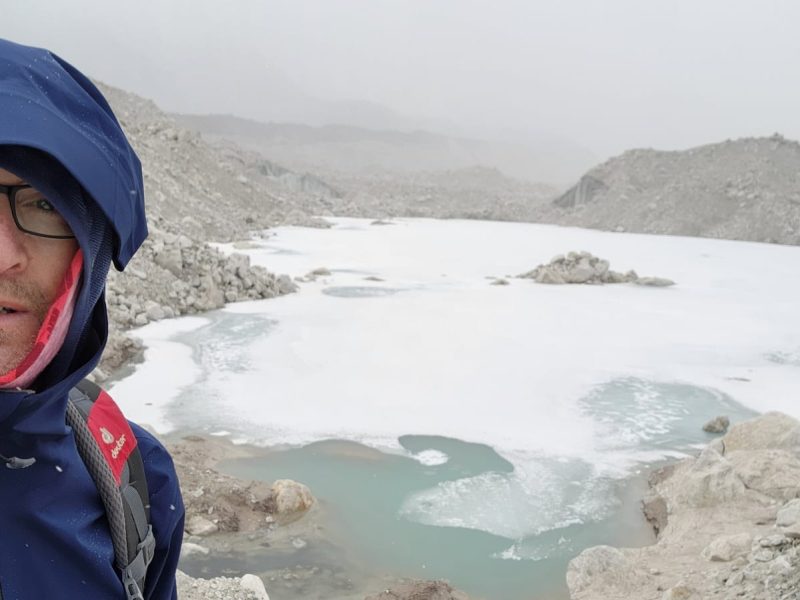
The Kongma La Pass is considered one of the most rewarding passes in Nepal due to its physical challenge and the stunning mountain views it offers. Unlike Renjo La and Cho La, which are often more crowded and easier to navigate, Kongma La provides a sense of adventure and solitude. It connects the Gokyo Valley to the Everest Base Camp area, offering trekkers a chance to experience both worlds with exceptional views.
The high-altitude climb and remote location make Kongma La Pass one of the most challenging trekking passes in Nepal. Trekkers are often rewarded with fewer crowds, allowing for a more peaceful experience while enjoying some of the best mountain panoramas in the region. If you’re an experienced trekker seeking a unique trekking adventure, Kongma La Pass offers a truly exceptional experience.
Trekking the Kongma La Pass is an incredible adventure that offers breathtaking views, a sense of accomplishment, and a unique experience in the heart of the Himalayas. The trek connects the stunning Gokyo Lakes region with the Everest Base Camp trek, providing a quieter, less crowded path for those seeking an off-the-beaten-path route. It’s a challenging but rewarding journey, with the opportunity to see some of the world’s highest peaks up close, including Mount Everest, Lhotse, and Makalu.
The Kongma La Pass trek is perfect for those looking for a more remote and adventurous route. It’s less crowded than other Everest region treks, allowing trekkers to experience the natural beauty and cultural richness of the area without the large crowds. As you cross the pass at an altitude of over 5,500 meters, you’ll feel the thrill of being surrounded by snow-capped peaks and rugged terrain. The journey also provides the chance to explore the Gokyo Lakes, a serene and picturesque part of the Everest region, making it a must-do for trekking enthusiasts.
Physical Preparation: Trekking Kongma La Pass is not for the faint-hearted. The high altitude and steep paths require good physical fitness. It’s important to train before you go, focusing on endurance and leg strength. Regular walking, hiking, or stair climbing will help your body adjust to the challenge.
Packing Essentials: Pack wisely to ensure you have everything you need for the trek. Essential items include warm clothing, good-quality trekking boots, a sleeping bag for cold weather, a water bottle, and a first aid kit. Don’t forget sunscreen and sunglasses for protection against the sun’s reflection on the snow.
Permits: You will need two permits for the trek: the Sagarmatha National Park permit and the Gokyo Lake Trek permit. Both are required to enter the region, and they can be obtained in Kathmandu or at the entrance of the park.
Local Guides: Hiring a local guide is a great idea to enhance your trekking experience. They can help you navigate the terrain, share their knowledge of the local culture, and keep you safe. They also assist with acclimatization, which is crucial when trekking at high altitudes.
Safety First: Trekking in the Himalayas comes with risks, especially at high altitudes. It’s important to pace yourself, stay hydrated, and listen to your body. Take rest days to help your body adjust to the altitude, and avoid pushing yourself too hard. Emergency rescue services are available, but it’s best to stay safe and be cautious.
If you’ve always dreamed of trekking in the Himalayas, the Kongma La Pass trek is an excellent choice. Start planning your adventure today by researching more about the trek, obtaining the necessary permits, and preparing physically for the challenge. The experience of reaching the top of the pass and witnessing the stunning mountain views is something you will never forget. So pack your bags, get ready for the adventure of a lifetime, and set off on the journey to Kongma La Pass!
Call/WhatsApp: +977-9851218358 | +977-9841937489
Email: info@natureheaventrek.com | natureheaventrek@gmail.com
Address: Pakjonal Marga-16, Thamel, Kathmandu, Nepal
Website: https://natureheaventrek.com/