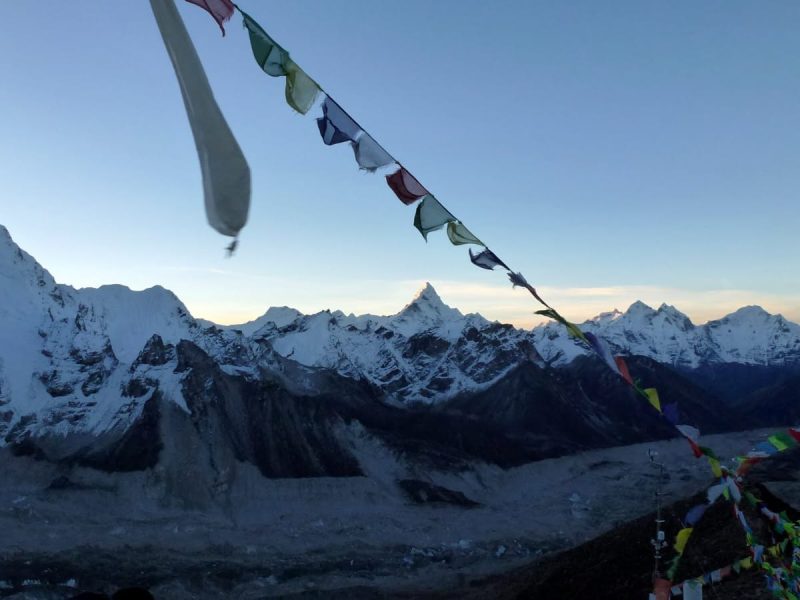
Kala Patthar is a must-visit destination for trekkers exploring the Everest region of Nepal. Positioned at 5,545 meters (18,192 feet), Kala Patthar offers one of the most stunning panoramic views in the world. If you’re aiming to see Mount Everest and its neighboring peaks, this viewpoint is the ideal stop on your journey.
For those hoping to catch a glimpse of Mount Everest, Kala Patthar is the perfect spot. The viewpoint provides an unobstructed, breathtaking view of the world’s tallest mountain, alongside stunning peaks like Lhotse, Nuptse, and Makalu. The beauty and tranquility of this location make it an unforgettable experience for trekkers.
Why is Kala Patthar considered one of the best viewpoints in the world? The high-altitude trek combined with the jaw-dropping views of Mount Everest and the surrounding peaks make it a must-see. For many trekkers, Kala Patthar is a once-in-a-lifetime opportunity to witness some of the most spectacular natural beauty on Earth, making it a highlight of the Everest Base Camp trek.
Kala Patthar, which translates to “Black Rock” in Nepali, is a famous peak located in the Everest region of Nepal. This stunning viewpoint is a significant part of the Everest Base Camp (EBC) trek and is known for offering some of the best panoramic views of Mount Everest, the highest peak on Earth. Situated at an altitude of 5,545 meters (18,192 feet), Kala Patthar is a must-see destination for trekkers looking to experience breathtaking views of Mount Everest and the surrounding Himalayan range. Kala Patthar’s importance lies in its geographical position, which allows trekkers to view the south face of Mount Everest and other towering peaks like Nuptse and Lhotse.
Kala Patthar’s Historical and Geographical Importance
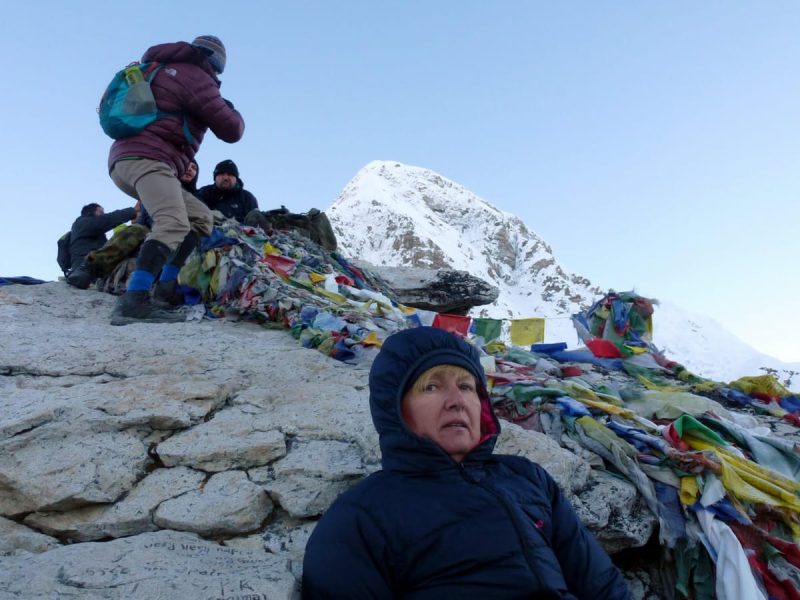
Kala Patthar holds significant historical and geographical importance in the Everest region. Historically, Kala Patthar has been a key viewpoint for trekkers on the Everest Base Camp trek, as it offers a unique and unparalleled perspective of Mount Everest. Geographically, Kala Patthar is not a mountain but rather a hill located on the south side of Mount Everest, offering some of the best views of the mighty peak. It is an essential part of the Everest trekking experience, as it gives trekkers a chance to witness Everest up close, which cannot be done from base camp due to the surrounding terrain.
Kala Patthar’s Role in the Everest Base Camp Trek
Kala Patthar plays a crucial role in the Everest Base Camp trek, being one of the most iconic spots on the journey. It is often considered the highlight of the trek due to its spectacular views of Mount Everest and the surrounding peaks. For many trekkers, the sunrise from Kala Patthar is an unforgettable experience, as the first light of day casts a golden glow over Everest, creating a magical sight. Kala Patthar offers the best possible view of Mount Everest, including its south face, and is an essential destination for those completing the EBC trek. The climb to Kala Patthar is relatively easy compared to other mountain climbs but is an important stop for acclimatization to the high altitude.

Kala Patthar is located in the Khumbu region of Nepal, a popular trekking area in the Everest region. It sits at an altitude of 5,643 meters (18,514 feet), making it one of the highest accessible viewpoints in the world. Kala Patthar is a small peak that lies to the south of Mount Everest, offering stunning panoramic views of the surrounding peaks.
Kala Patthar is just a short trek away from Everest Base Camp, which is the main destination for trekkers on the Everest Base Camp trek. The peak is positioned on the Pumori Ridge and offers trekkers a better vantage point to view Mount Everest, the world’s tallest mountain. From Kala Patthar, you can see not only Everest but also other iconic mountains like Lhotse, Nuptse, and Makalu.
To get to Kala Patthar, trekkers usually start from Lukla, which is the gateway to the Everest region. After a short flight to Lukla, the trek to Kala Patthar typically takes around 8-10 days, including acclimatization stops. The final leg of the journey involves a 3-4 hour hike from Gorak Shep (the last village before Kala Patthar) to reach the summit of Kala Patthar. While the hike can be strenuous due to the high altitude, the breathtaking views from the top make it a must-see for trekkers in the region.

Kala Patthar stands at a height of 5,545 meters (18,192 feet), making it one of the highest points trekkers reach during the Everest Base Camp trek. The altitude itself presents a major challenge for trekkers, as the higher you go, the less oxygen there is. This can make it harder to breathe and cause fatigue.
At such a high altitude, trekkers may experience altitude sickness, which occurs when your body doesn’t adjust to the low oxygen levels. Symptoms of altitude sickness include headaches, nausea, dizziness, and shortness of breath. To avoid this, it’s crucial to slow down and give your body time to acclimatize. This means spending a few days at lower altitudes before reaching Kala Patthar, allowing your body to adjust.
For trekkers, the difficulty of the Kala Patthar hike is considered moderate to challenging. The terrain is steep and can be tiring, especially in the thinner air. To prepare for the hike, trekkers need to be in good physical shape and practice walking on uneven terrain. Acclimatization is key to minimizing the risk of altitude sickness, so it’s advised to take it slow and drink plenty of water.
Before attempting Kala Patthar, trekkers should prepare physically and mentally for the altitude and the physical effort required. Training for endurance and strength, particularly for hiking at high altitudes, will help. Also, carrying the right gear, such as warm clothing and good hiking boots, is essential for comfort during the trek.
The best time to visit Kala Patthar for trekking is during the pre-monsoon spring (March to May) and post-monsoon autumn (September to November). These months provide the most favorable conditions for a trek, with clear skies, moderate temperatures, and excellent visibility of the surrounding mountains, making it the ideal time for those seeking to experience Kala Patthar’s stunning views.
In spring (March to May), temperatures are mild, ranging from 10°C (50°F) during the day to -5°C (23°F) at night. The weather is generally stable, and the visibility is excellent, allowing trekkers to enjoy panoramic views of Mount Everest and nearby peaks. This is also when the snow begins to melt, revealing a lush landscape. Autumn (September to November) is also a perfect time to trek Kala Patthar, with cool temperatures ranging from 10°C (50°F) during the day to -5°C (23°F) at night. Clear skies and good visibility make this season one of the most popular for trekking, but it can also bring more crowds to the trail.
Both spring and autumn offer great trekking weather and visibility, but the autumn months tend to attract more trekkers, so if you prefer fewer crowds, spring might be the better choice. In autumn, snow can still be present at higher elevations, making the temperatures colder, but the clear weather conditions and beautiful views of the snow-capped mountains are worth it.
Overall, if you’re planning a trek to Kala Patthar, the best time to visit is during spring or autumn, as these seasons offer the best trekking conditions, clear skies, and breathtaking views.
The trek from Gorak Shep to Kala Patthar is one of the most iconic parts of the Everest Base Camp trek. It offers spectacular views of the Himalayas and is a must-do for many trekkers. This journey takes you to a viewpoint that sits at an elevation of 5,545 meters (18,192 feet). It’s known for its breathtaking panoramic views of Mount Everest, Lhotse, and Nuptse, making it a favorite for photographers and adventurers.
The trek from Gorak Shep to Kala Patthar is relatively short but can be physically challenging. The journey usually takes around 2 to 3 hours, depending on your pace and acclimatization. The terrain is mostly rocky and uneven, with some steep sections that require careful footing. The altitude makes this part of the trek feel more strenuous than it may appear, so it’s important to take your time.
Given the high altitude, the trek to Kala Patthar can be taxing, especially if you haven’t had sufficient time to acclimatize. The lack of oxygen at higher elevations can make breathing a bit difficult, and some trekkers may experience fatigue. However, with slow and steady steps, it’s manageable. The cold temperatures can also be a challenge, so make sure to dress warmly and carry enough water and snacks for energy.
It’s essential to pace yourself during this trek. Since the high altitude can cause dizziness or shortness of breath, it’s important to go slowly and take regular breaks. Acclimatization is key, so ensure you’ve spent enough time at higher altitudes before attempting this trek. Drink plenty of water, avoid rushing, and listen to your body to prevent altitude sickness. Make sure to dress in layers, as the weather can change quickly, and pack snacks for energy.
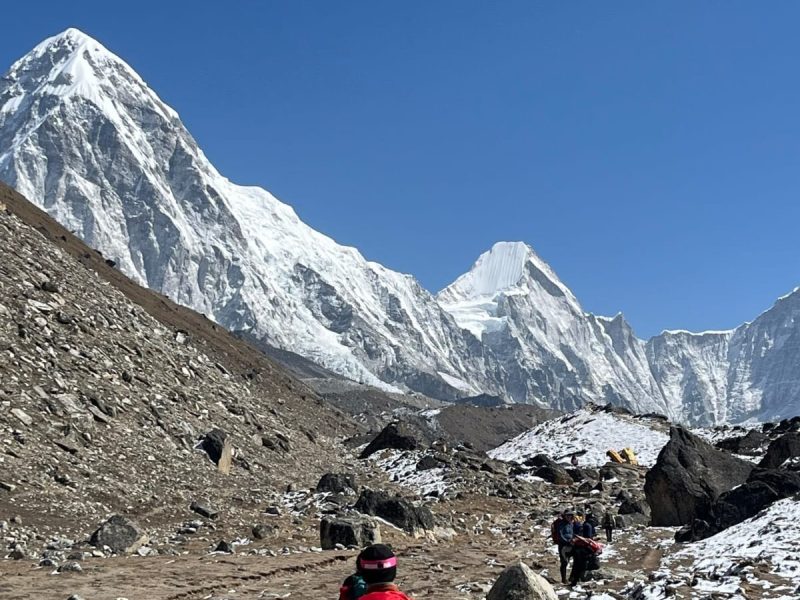
As you ascend to Kala Patthar, you’ll be surrounded by some of the most impressive mountain views in the world. The trek itself offers a gradual climb, with some sections that may leave you breathless, but the reward at the top is well worth it. At the summit, the panoramic view will leave you speechless – you’ll see Mount Everest, Pumori, and other towering peaks up close. You may also encounter other trekkers, so be prepared for some company on this popular trail.
Kala Patthar offers one of the most stunning Everest view points in the Himalayas. From this famous Kala Patthar trek, trekkers are treated to breathtaking panoramic views of Mount Everest, Lhotse, Nuptse, and other towering peaks. The sight of these majestic snow-capped mountains against the clear blue sky is unforgettable, making it a must-see spot for any trekking enthusiast.
For the best visuals, sunrise at Kala Patthar is highly recommended. The first light of day casts a golden glow on the mountains, creating a magical atmosphere. If you’re a photographer or nature lover, capturing this moment will give you stunning images of the Everest panorama. Sunset at Kala Patthar is equally mesmerizing, as the sun sets behind the peaks, casting a beautiful array of colors over the landscape.
The scenery surrounding Kala Patthar enhances the trekking experience. As you take in the vast Himalayan views, the rugged terrain, glaciers, and nearby peaks provide an awe-inspiring backdrop. The crisp mountain air and expansive landscape make it feel as if you are truly standing at the top of the world, adding to the uniqueness of the Everest trek.
Why Kala Patthar is the Ultimate Viewpoint for EBC Trekkers
Kala Patthar, at an elevation of 5,545 meters (18,192 feet), is renowned as the ultimate viewpoint for trekkers on the Everest Base Camp (EBC) trek. What makes Kala Patthar stand out is its unparalleled view of Mount Everest, offering trekkers the closest and most breathtaking perspective of the world’s highest peak. Unlike other viewpoints in the Everest region, Kala Patthar provides a closer and clearer view of Everest, making it a must-see stop for anyone on the EBC trek. The panoramic vistas of Everest, Lhotse, Nuptse, and other towering peaks are truly unmatched, making it the top highlight of the journey.
When comparing Kala Patthar to other Everest viewpoints, such as the Everest Base Camp itself, the difference becomes clear. While Everest Base Camp provides an incredible view of the surrounding mountains and the Khumbu Glacier, it doesn’t offer the same close-up view of Mount Everest. Other viewpoints like Tengboche and Dingboche are also scenic but are lower in altitude and do not offer the same proximity to Everest. Kala Patthar, being the highest accessible point, offers the best panoramic view of Everest, making it the ultimate viewpoint for trekkers on the Everest Base Camp trek.
Standing at the summit of Kala Patthar is an unforgettable experience. The stunning views of Everest from this viewpoint are truly extraordinary. Trekkers get to witness the grandeur of Everest up close, with the sun rising over its snowy peaks, creating a golden glow across the landscape. The emotional and physical accomplishment of reaching the top of Kala Patthar and experiencing the magnificent views is unparalleled. It’s one of those moments in life that every trekker cherishes forever, offering an intimate and awe-inspiring connection to the Himalayas.
Kala Patthar is an essential part of the EBC trek because it offers the most breathtaking view of Mount Everest. For many trekkers, the climb to Kala Patthar is the ultimate achievement of the journey, offering the best view of Everest and surrounding peaks. It is not just another stop; it’s the highlight of the trek that makes the Everest Base Camp experience complete. If you are trekking to Everest Base Camp, the view from Kala Patthar is a memory that will stay with you forever.
Kala Patthar is an essential stop on the Everest region trek, offering one of the best Everest view points you can experience. From this iconic peak, trekkers can marvel at the breathtaking views of Mount Everest, the world’s highest mountain. Reaching Kala Patthar isn’t just about the destination, it’s about the unforgettable journey and the incredible opportunity to stand in front of Everest and witness its grandeur up close. This stop is not only a highlight for those trekking to Everest Base Camp but is also a bucket-list destination for avid trekkers.
Travel Tips for Trekking to Kala Patthar:
Call to Action: If you’re ready for the adventure of a lifetime, start planning your trek to Kala Patthar today! Whether you’re hiking to Everest Base Camp or simply seeking the best view of Everest, Kala Patthar offers one of the most rewarding experiences in the world. Get your gear ready, secure your permits, and embark on the ultimate Everest region trek.
Call/WhatsApp: +977-9851218358 | +977-9841937489
Email: info@natureheaventrek.com | natureheaventrek@gmail.com
Address: Pakjonal Marga-16, Thamel, Kathmandu, Nepal
Website: https://natureheaventrek.com/