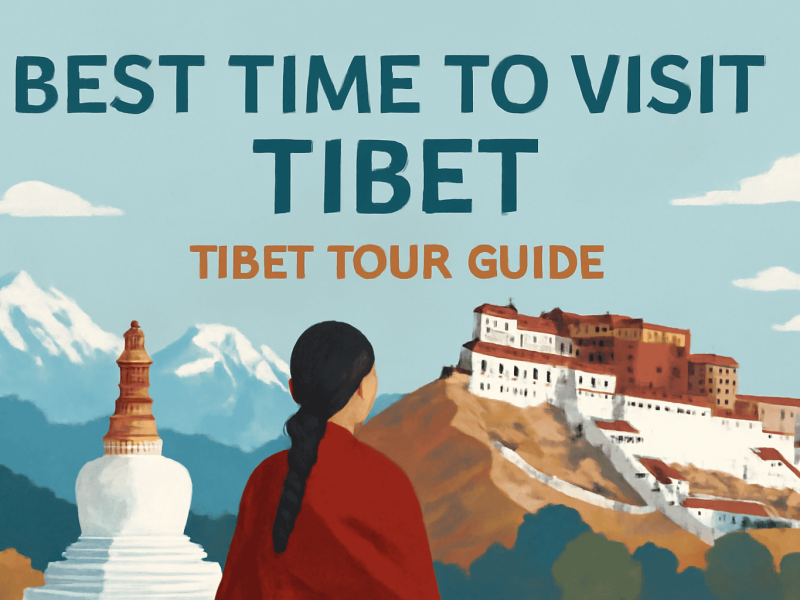
Tibet, known worldwide as the “Roof of the World,” is one of the most breathtaking and spiritual travel destinations on Earth. Located high in the Himalayas, Tibet offers travelers stunning snow-covered mountains, clear blue lakes, and ancient monasteries filled with history and peace. The unique Tibetan culture, combined with its pure natural beauty, makes it a must-see destination for travelers who seek both adventure and inner peace.
A Tibet tour is more than just a trip—it’s a journey of self-discovery. The calm rhythm of life, the sound of prayer wheels, and the smile of local Tibetan people leave a deep impression on every visitor. You can explore famous sites like the Potala Palace in Lhasa, hike around Mount Kailash, or witness the peaceful beauty of Yamdrok Lake. Many travelers describe Tibet as a place that helps them slow down, breathe deeply, and reconnect with themselves and nature.
The best time to visit Tibet depends on your interests. From April to October, Tibet has pleasant weather, making it ideal for sightseeing and photography. The summer season (June–August) is warm and colorful, while spring and autumn (April–May, September–October) offer clear skies and fewer tourists. If you want to enjoy the rich culture, visit during famous Tibetan festivals like Saga Dawa Festival or Shoton Festival. Each season gives a different charm to Tibet’s stunning landscapes.
Before traveling, remember that foreign visitors need a Tibet Travel Permit, which is arranged through a registered Tibet tour operator. Choose a trusted travel agency that provides full Tibet tour packages including guides, hotels, and permits. Popular destinations include Potala Palace, Jokhang Temple, Everest Base Camp (Tibet side), and Namtso Lake. A well-planned trip ensures safety, comfort, and unforgettable experiences in this spiritual land.
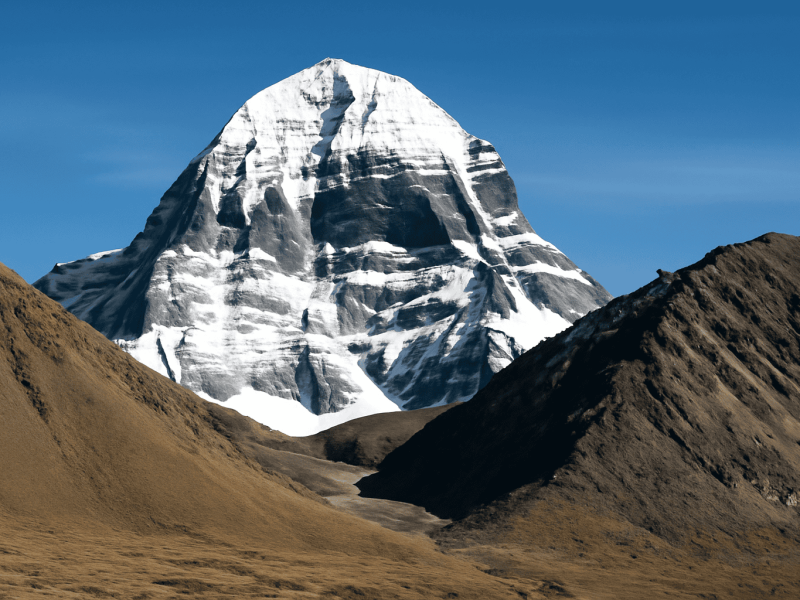
Tibet – The Roof of the World
Tibet, known globally as the “Roof of the World,” is one of the most breathtaking destinations on Earth. Located in the Himalayan region, this high-altitude land sits at an average elevation of over 4,000 meters (13,000 feet). The region is surrounded by the Himalayas, Kunlun Mountains, and Transhimalaya ranges, making it a paradise for travelers seeking adventure and spirituality. The Tibet tour packages often highlight famous landmarks like Mount Everest, Lake Yamdrok, and Mount Kailash, where nature and spirituality meet. Because of its thin air and low oxygen levels, visitors are advised to acclimatize before starting their Tibet travel journey.
Western Tibet – The Mysterious High Plateau
The western plateau of Tibet is dry, cold, and filled with rugged natural beauty. It’s home to sacred lakes like Manasarovar and Rakas Tal, which attract both pilgrims and adventure seekers. This area receives very little rainfall and experiences extreme temperature variations — warm in the day and freezing at night. The Tibetan plateau’s climate gives it a mysterious charm that’s ideal for trekking, photography, and spiritual exploration. Tourists booking a Tibet adventure tour or Mount Kailash pilgrimage often visit this region for its raw beauty and spiritual energy.
Central Tibet – The Cultural Heartland
The central region of Tibet, especially the Lhasa Valley, enjoys a milder climate and is the true cultural and spiritual heart of Tibet. Here lies the famous Potala Palace, Jokhang Temple, and Norbulingka Palace, making it a must-visit for any Tibet travel guide. The Yarlung Tsangpo River (Brahmaputra) flows through this region, creating fertile valleys that support agriculture and settlements. The weather is more comfortable, making Central Tibet tours ideal for first-time visitors who want to experience the history, monasteries, and vibrant local life.
Eastern Tibet – The Green Gateway
The eastern part of Tibet is lush and scenic, with forests, rivers, and meadows stretching toward Sichuan and Yunnan provinces. This region receives more rainfall and has a warmer climate, making it perfect for nature photography, Tibet trekking tours, and eco-tourism. Unlike the remote western plateau, the Eastern Tibet travel route is easier and more accessible, offering a mix of adventure and comfort. The diverse geography — from snowy peaks to green valleys — influences the temperature, travel routes, and accessibility across the region. Knowing these differences helps travelers choose the best time to visit Tibet and plan a memorable Tibet tour experience.
1. Spring (March to May)
Spring in Tibet is full of new life and color. Flowers start to bloom, and the snow-covered mountains look extra beautiful under clear blue skies. The temperature is mild, making it one of the best times to visit Tibet for sightseeing and photography. Popular activities include visiting Lhasa, exploring Potala Palace, and enjoying the peaceful Tibetan monasteries. This season attracts moderate tourist traffic—perfect for those who prefer calm and comfortable travel.
2. Summer (June to August)
Summer is the peak tourist season in Tibet. The weather is warm, with temperatures around 15°C–25°C during the day. It’s the best time for outdoor adventures like Tibet trekking tours, Mount Kailash tours, and visiting Namtso Lake. Because the roads are clear and festivals like Saga Dawa happen this time, Tibet sees high visitor flow. However, travelers should book hotels and Tibet Travel Permits early because summer is busy.
3. Autumn (September to November)
Autumn is known as the golden season for Tibet travel. The skies are crystal clear, and the landscapes turn golden with the fall colors. Temperatures are cool and comfortable, around 5°C–20°C, ideal for photography, mountain hiking, and cultural tours. This season also gives some of the best views of Mount Everest and the Tibetan Plateau. Tourist crowds are smaller than in summer, so visitors can enjoy both beauty and peace together.
4. Winter (December to February)
Winter in Tibet is cold but very peaceful and budget-friendly. Most of Tibet remains open, including Lhasa, where days are sunny and dry. The temperature can drop below 0°C, but travelers who love quiet, spiritual experiences find winter perfect. It’s a great season for Tibetan culture tours, Buddhist pilgrimages, and budget Tibet packages. Airfares and hotel rates are much cheaper, and fewer tourists mean you can explore Tibet’s holy sites in peace.
| Season | Temperature Range | Tourist Flow | Best Activities | |||
| Spring (Mar–May) | 5°C – 18°C | Moderate | Sightseeing, photography, monastery tours | |||
| Summer (Jun–Aug) | 15°C – 25°C | High | Trekking, festivals, adventure travel | |||
| Autumn (Sep–Nov) | 5°C – 20°C | Medium | Hiking, photography, nature tours | |||
| Winter (Dec–Feb) | -5°C – 10°C | Low | Cultural visits, meditation, budget travel | |||
Tibet is one of the most beautiful and spiritual travel destinations in Asia, but its high altitude and unique weather mean timing your visit is very important. The best months to visit Tibet are April, May, September, and October. These months are considered the “Golden Travel Season in Tibet”, offering clear skies, comfortable temperatures, and breathtaking scenery — perfect for photographers, trekkers, and culture lovers alike.
During April and May, spring brings life back to the high plateau. The snow begins to melt, the air becomes fresh, and wildflowers bloom across valleys and meadows. This is the best time for photographers to capture the crystal-clear view of Mount Everest, Yamdrok Lake, and the Potala Palace under bright blue skies. Roads are less crowded, and the weather is ideal for sightseeing tours around Lhasa, Shigatse, and Namtso Lake.
September and October are equally amazing months to explore Tibet. The monsoon season ends, leaving behind clean air and golden landscapes. These autumn months are perfect for trekkers and adventure travelers, as mountain trails are dry and visibility is excellent. The colors of the grasslands and forests turn golden, making every photo frame look like a painting. Popular trekking routes like Ganden to Samye and Mount Kailash Kora are at their best during this season.
For cultural explorers, these months are also full of local festivals, prayer ceremonies, and traditional events. The weather allows you to comfortably visit monasteries, local markets, and small villages to experience the warm hospitality of Tibetan people. Whether you’re planning a Tibet Photography Tour, a Mount Everest Base Camp Tour, or a Lhasa Cultural Exploration, traveling in April–May or September–October guarantees an unforgettable experience in the heart of the Himalayas.
Spring (March to May) is one of the best seasons to explore Tibet. The weather starts getting warmer, and the snow begins to melt, revealing beautiful green valleys and bright blue skies. This is the perfect time for Lhasa sightseeing tours — you can visit the Potala Palace, Jokhang Temple, and walk around the Barkhor Street. Many travelers also plan Namtso Lake trips during this season because the lake’s turquoise water looks magical with snow-capped mountains in the background. It’s a great time for peaceful travel photography and nature lovers.
Summer (June to August) is the most popular time for travelers because the temperature is comfortable, and the roads are open. It’s the best time for Mount Everest Base Camp tours and the famous Kailash Kora pilgrimage. The air is clear, and the views of Mount Everest are breathtaking. This is also the festival season in Tibet — you can experience the colorful Shoton Festival, Saga Dawa, and local horse racing events. Summer brings the real energy of Tibetan culture, and it’s the perfect time for those who love adventure and culture together.
Autumn (September to November) is another amazing season for Tibet trekking tours. The sky is crystal clear, and the mountain views are the best of the year. Popular trekking spots like Gyantse and Shigatse offer beautiful trails through villages, monasteries, and valleys. This season is also ideal for Tibet photography tours because of the golden landscapes and calm weather. Many travelers say autumn gives the most peaceful and spiritual travel experience in Tibet.
Winter (December to February) in Tibet is cold but very peaceful. The streets are less crowded, and this makes it perfect for quiet Lhasa monastery visits and learning about local Tibetan festivals. You can join local people in Losar (Tibetan New Year) celebrations and see how monks perform special rituals. Winter also brings great travel deals and cheaper Tibet tour packages, making it perfect for budget travelers. Even though it’s cold, the clear blue skies and snowy mountains make winter a truly magical time for Tibet travel.
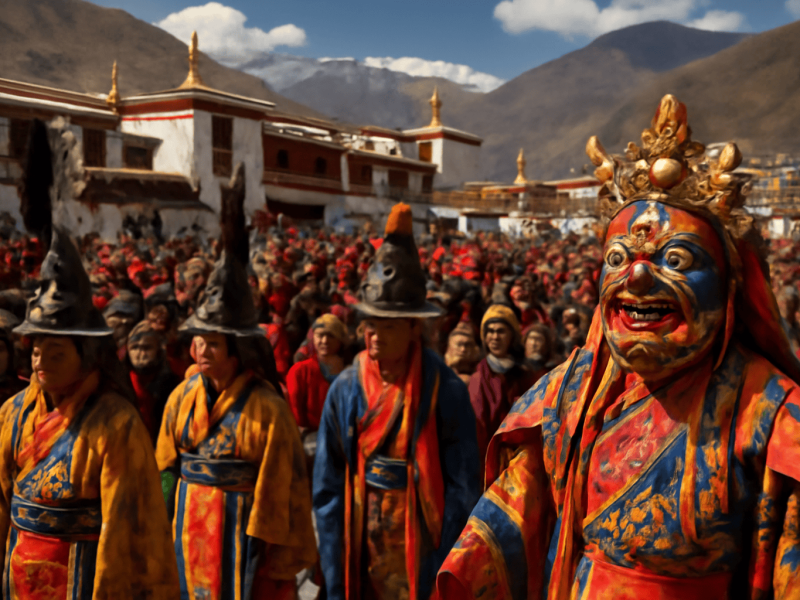
Saga Dawa Festival (May–June)
Saga Dawa is one of the most important festivals in Tibet. It celebrates the birth, enlightenment, and death of Lord Buddha—all on the same day according to the Tibetan lunar calendar. During this sacred month, locals perform good deeds like lighting butter lamps, giving food to the poor, and visiting monasteries. Pilgrims walk around sacred sites such as Barkhor Street and Mount Kailash to earn spiritual merit. Travelers visiting Tibet in this period will witness deep devotion, colorful prayer flags, and religious ceremonies—making it one of the best times for spiritual Tibet tours and Lhasa cultural travel experiences.
Shoton Festival (August)
Known as the “Yogurt Festival”, the Shoton Festival is celebrated in Lhasa every August. It began as a simple monastic tradition where locals offered yogurt to monks after their meditation retreat. Today, it’s a grand celebration with Tibetan opera performances, thangka (giant Buddhist paintings) displays at Drepung Monastery, and festivities at Norbulingka Palace. Tourists can enjoy local food, music, and dance while experiencing the vibrant Tibetan culture and heritage. This is an ideal time for those who love festivals, photography, and colorful traditions in Tibet.
Losar – Tibetan New Year
Losar is Tibet’s biggest festival and marks the start of a new year in the Tibetan lunar calendar. It usually falls in February or March. Families clean their homes, wear new clothes, and make special dishes like guthuk (Tibetan noodle soup). People visit monasteries, light butter lamps, and exchange good wishes. The streets come alive with laughter, dances, and rituals. For travelers, this is the perfect time to explore authentic Tibetan traditions, but it’s also a busy period—so early booking for Tibet tour packages is recommended.
How Festivals Affect Travel Timing and Costs
Festivals bring joy, but they also affect travel plans. During major festivals like Saga Dawa, Shoton, and Losar, Tibet gets crowded with pilgrims and tourists. Hotels and transport prices rise due to high demand. However, this is also when visitors can experience the true heart of Tibetan life and Buddhist culture. For a smooth experience, plan and book your Tibet travel packages early, choose local guides, and stay flexible with your itinerary. Traveling during festival time means higher costs but a richer cultural experience that’s truly unforgettable.
1. What to Pack for Each Season
Tibet has four main seasons, and packing right makes your trip more enjoyable. In spring (March–May), bring warm jackets, long-sleeve shirts, sunglasses, and sunscreen as days are sunny but nights are cold. In summer (June–August), pack light cotton clothes, raincoats, and hats — it’s the monsoon season, so waterproof shoes are useful. Autumn (September–November) is the best time to travel — pack warm clothes, light sweaters, and scarves because mornings and evenings get chilly. In winter (December–February), it’s very cold, especially in higher areas — carry heavy jackets, gloves, woolen socks, and lip balm to prevent dryness.
2. Medicine and Health Essentials
Always carry a basic travel medicine kit. Include painkillers (like paracetamol), cold and flu tablets, band-aids, and hand sanitizer. Since Tibet’s weather changes fast, a moisturizer and sun cream are must-haves. For people who get easily sick at high altitudes, bring altitude sickness tablets like Diamox (only after consulting your doctor). Drink plenty of water, eat light food, and avoid alcohol for the first few days. These small steps help your body adjust to the mountain air.
3. Altitude Sickness Precautions
Tibet is known as the “Roof of the World” because it’s very high above sea level. Altitude sickness is common for new travelers. To stay safe, ascend slowly — don’t rush from low to high places in one day. Sleep well, avoid heavy exercise, and keep your body warm. If you feel dizzy, headache, or short of breath, rest immediately. Oxygen cans are available in local shops, and many hotels provide oxygen support. Keeping your travel schedule flexible helps your body adapt comfortably.
4. Transportation Options to Tibet
There are many ways to reach Tibet. You can take flights from Kathmandu (Nepal), Chengdu, or Lhasa — the views of the Himalayas are breathtaking. If you prefer an adventure, the Qinghai–Tibet Railway offers a beautiful train ride with scenic mountain views — it’s also known as the highest railway in the world. Overland routes from Nepal (via Gyirong border) are popular among backpackers. Always check the latest Tibet Travel Permits and weather updates before your trip. Traveling with a trusted Tibet tour operator ensures a safe, smooth, and memorable experience.
Tibet is a dream destination for photographers who love capturing natural beauty, unique faces, and ancient monasteries. The best light for photography is during April to October, when the sky is clear and the mountains glow under the golden sunlight. Spring and autumn bring the best landscapes, with wildflowers, snow-capped peaks, and calm lakes like Yamdrok and Namtso reflecting the sky. Early mornings and late afternoons are ideal for shooting because the light is soft and warm. Travelers looking to create Instagram-worthy Tibet tour photos or Tibet photography travel blogs will find this season perfect for breathtaking content.
If you love adventure and trekking, Tibet offers some of the most challenging and inspiring routes in the world. The Mount Kailash Kora trek is best done from May to September, when the weather is mild and the mountain passes are open. Similarly, for the Everest Base Camp trek, the ideal time is from April to early June and again from September to October, when the skies are clear and you can get amazing views of Mount Everest. These months provide the safest and most enjoyable experience for travelers joining Tibet adventure tours or Everest trekking packages.
For those seeking peace, meditation, and cultural experiences, Tibet is one of the most spiritual places on Earth. The best time for spiritual travel is during major Buddhist festivals, like Saga Dawa (May or June), which celebrates the birth, enlightenment, and death of Buddha. Visiting during this period allows travelers to witness vibrant monk ceremonies, butter lamp festivals, and the peaceful chanting in Lhasa monasteries like Jokhang and Sera Monastery. These experiences give travelers a deep sense of inner calm and connection to Tibetan beliefs.
No matter what type of traveler you are—photographer, trekker, or spiritual seeker—Tibet has something magical for you. Always check Tibet travel permits, weather updates, and local tour packages before planning. For a smooth journey, book with trusted companies like Tibet Vista, Explore Tibet, or Dream Tibet Travel, which offer expert-guided tours and local insights. With the right timing and planning, your Tibet travel experience can become one of the most unforgettable journeys of your life.
1. Cheaper Prices and Peaceful Travel
Traveling during the off-season means you can save a lot of money. Hotels, flights, and tour packages are much cheaper compared to the busy months. You can stay in beautiful hotels or resorts for less money and even get room upgrades. Fewer tourists also mean you can explore famous places peacefully without long lines or crowds. This makes your trip more relaxing and enjoyable.
2. Enjoy Real Local Experiences
When there are fewer tourists, you get a chance to experience the real local life. You can talk with local people, visit their shops, and learn about their culture without rush. Restaurants are less crowded, and you can taste authentic food slowly. Many locals are friendlier during this time because they have more time to share stories and traditions. 3. Beautiful Nature and Calm Atmosphere
Off-season travel often means you see a different side of nature. For example, mountains covered in snow or peaceful beaches after the rain. You can enjoy photography, quiet walks, and meditation without noise. It’s also great for couples or families who want to spend quality time together. Many travel bloggers and influencers say that off-season travel gives “Instagram-worthy” moments without crowds. 4. Small Challenges but Big Rewards
Of course, off-season travel also has small challenges. Some roads might be closed, and a few tourist spots may not be open. The weather might be colder or rainy. But if you plan well, it’s not a big problem. The best part is — you enjoy more comfort, save money, and get a unique experience that most people miss. Many smart travelers and popular travel brands recommend off-season travel as the best way to explore the world differently.
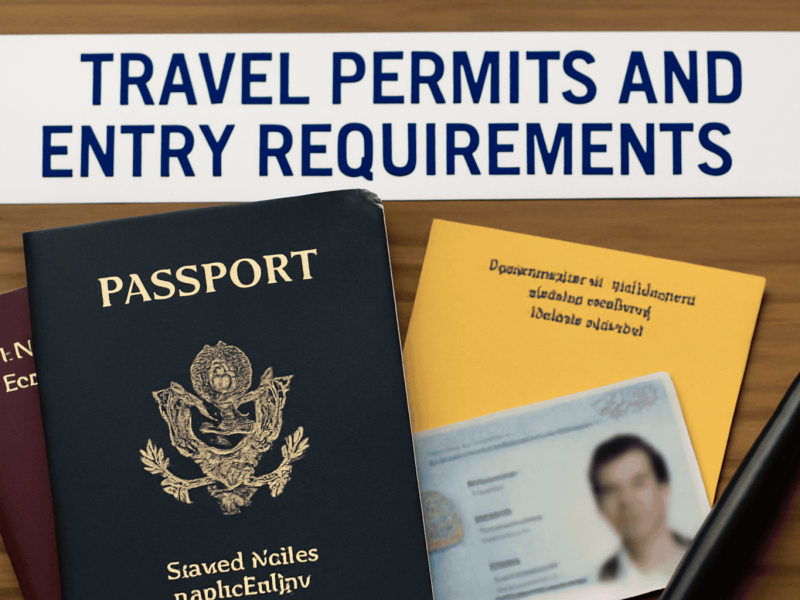
If you are a foreign traveler (non-Chinese passport holder), you must have a Tibet Travel Permit (TTP) to enter Tibet. This essential document is issued by the Tibet Tourism Bureau (TTB) in Lhasa and can only be arranged through a licensed Tibet travel agency like Nature Heaven Treks and Expedition. You cannot apply for it on your own. The permit includes details such as your name, nationality, passport number, and travel itinerary. To get it, you need to book a guided Tibet tour package — either private or group — through Nature Heaven Treks, which will handle all paperwork for a smooth and safe journey.
There are two main routes to reach Tibet — from Mainland China or from Kathmandu, Nepal.
All foreign visitors are required to travel with a licensed and registered Tibet tour agency. Nature Heaven Treks and Expedition is a trusted operator that arranges everything — from your Tibet Travel Permit and Group Visa to special area permits for Mount Kailash or Everest Base Camp. To ensure timely processing, send a passport copy and Chinese visa (if applicable) at least 15–20 days before your trip. Choosing Nature Heaven Treks means traveling with professionals who prioritize safety, comfort, and authentic Himalayan experiences.
Plan your trip early and confirm your Tibet travel itinerary to avoid any delays in getting permits. Remember that independent travel in Tibet is not allowed — every visitor must be accompanied by a licensed Tibet guide from Nature Heaven Treks and Expedition. Always carry printed copies of your permits during your journey, as checkpoints and airports may require verification. For a stress-free and legal adventure, book with a trusted operator like Nature Heaven Treks, known for organizing the Best Tibet Tour Packages 2025, Tibet Visa from Nepal, and Lhasa City Tours.
Simple Recap with Keywords
The best time to visit Tibet depends on the weather, local festivals, and your personal travel goals. If you want clear blue skies and easy mountain views, April to October is perfect. For people who want to see snow and enjoy a quiet trip, winter months are better. Each season gives a different experience — spring flowers, summer festivals, autumn colors, and winter peace. So, choosing the right time to travel to Tibet depends on what kind of adventure you want.
Seasonal Tips and Human-Friendly Words
During summer (June to August), Tibet is full of life with greenery and exciting events like the Shoton Festival in Lhasa. Autumn (September to October) gives amazing views of Mount Everest and clear skies. In spring (April to May), lakes start melting, and the weather becomes mild. Winter (November to March) is cold but peaceful, with fewer tourists. Think about your comfort, your travel style, and what you want to explore before deciding when to go. Planning around the best season to visit Tibet makes your journey more meaningful.
Plan Smart with Trusted Operators (Branded + Traffic Keywords)
To make your dream trip safe and easy, it’s smart to book through a certified Tibet tour operator like Tibet Vista, Explore Tibet, or Himalayan Glacier. These trusted travel brands handle your Tibet travel permits, local guides, and transport arrangements. They know the best times to visit Lhasa, Mount Kailash, and Everest Base Camp based on weather and road conditions. A licensed Tibet travel agency ensures your trip is not only exciting but also smooth and worry-free.
Call to Action with Travel Keywords
Tibet is more than a destination — it’s a spiritual adventure waiting for you in the heart of the Himalayas. Whether you dream of walking around Potala Palace, joining Tibetan New Year celebrations, or watching monks chant in ancient monasteries, now is the time to plan. Don’t wait too long! Start planning your Tibet adventure today with a trusted Tibet tour package and experience one of the world’s most beautiful and peaceful places.
Call/WhatsApp: +977-9851218358 | +977-9841937489
Email: info@natureheaventrek.com | natureheaventrek@gmail.com
Address: Pakjonal Marga-16, Thamel, Kathmandu, Nepal
Website: https://natureheaventrek.com/