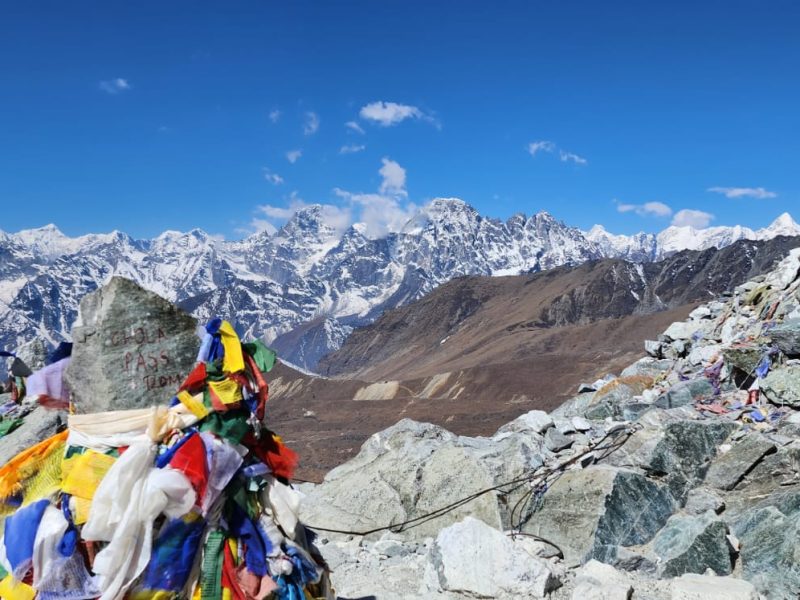
The Chola Pass Trek is one of the most thrilling and adventurous treks in Nepal, combining the awe-inspiring Everest Base Camp and the serene Gokyo Lakes. This trek offers a unique opportunity to experience the best of the Everest region trekking while enjoying the beauty of the Himalayan landscape. Trekkers get to explore the majestic peaks of the Everest region, Sherpa villages, and ancient monasteries, all while making their way toward two iconic destinations: Everest Base Camp and Gokyo Lakes.
A standout feature of the Chola Pass Trek is crossing the high-altitude Chola Pass, which connects the Everest Base Camp to the Gokyo Lakes region. This challenging pass sits at a significant altitude, offering trekkers a thrilling experience as they cross one of the highest points in the trek. The adventure and sense of accomplishment that comes with crossing Chola Pass make it an unforgettable part of the journey.
This trek is perfect for those seeking adventure in the Himalayas, with the added excitement of summiting both Everest Base Camp and Gokyo Lakes. The unique combination of these two famous destinations ensures an experience filled with challenges and rewards, offering trekkers a deeper connection with nature and the Himalayan culture.
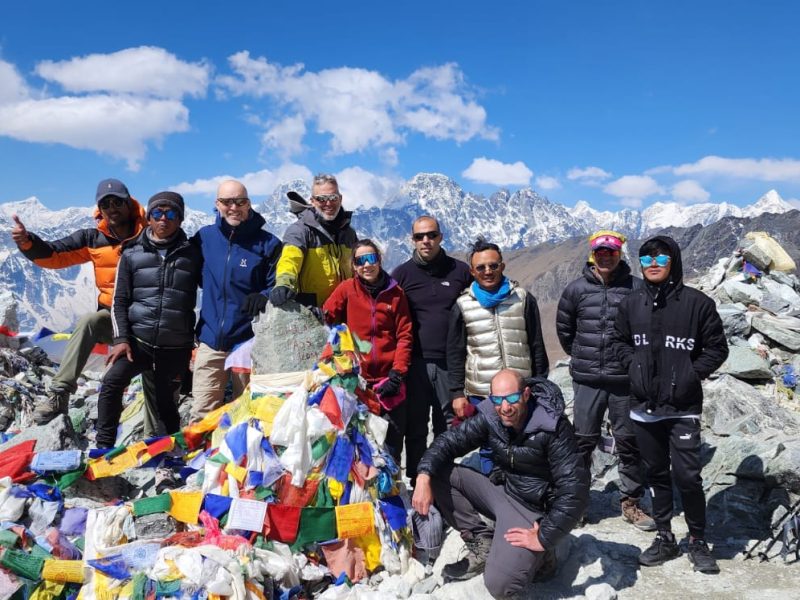
The Chola Pass Trek is an exciting and challenging trekking route in the Everest region of Nepal. It takes trekkers through some of the most beautiful and rugged landscapes in the world, offering a unique blend of adventure, culture, and stunning natural beauty. The trek is part of the larger Everest Circuit, which includes famous destinations like Everest Base Camp and Gokyo Lakes.
Location: The Chola Pass is located in the Everest region of Nepal, between Everest Base Camp and Gokyo Lakes. It sits at an altitude of around 5,420 meters (17,782 feet) and is known for its steep climbs and breathtaking views. The pass connects two popular trekking routes in the Everest region: the Everest Base Camp trek and the Gokyo Lakes trek.
The Chola Pass Trek is a high-altitude trek that combines two famous routes: the journey to Everest Base Camp and the path to the Gokyo Lakes. Trekking through this route means crossing Chola Pass, a challenging and beautiful high-altitude pass. Here’s how the route typically works:
The Chola Pass Trek is not only an adventure for trekkers but also a cultural journey. The Everest region is home to the Sherpa people, who have a rich cultural heritage. Along the way, you’ll visit traditional Sherpa villages, ancient Buddhist monasteries, and learn about their customs and lifestyle. The trek offers an opportunity to experience the famous Sherpa hospitality, visit monasteries like Tengboche Monastery, and learn about their spiritual practices.
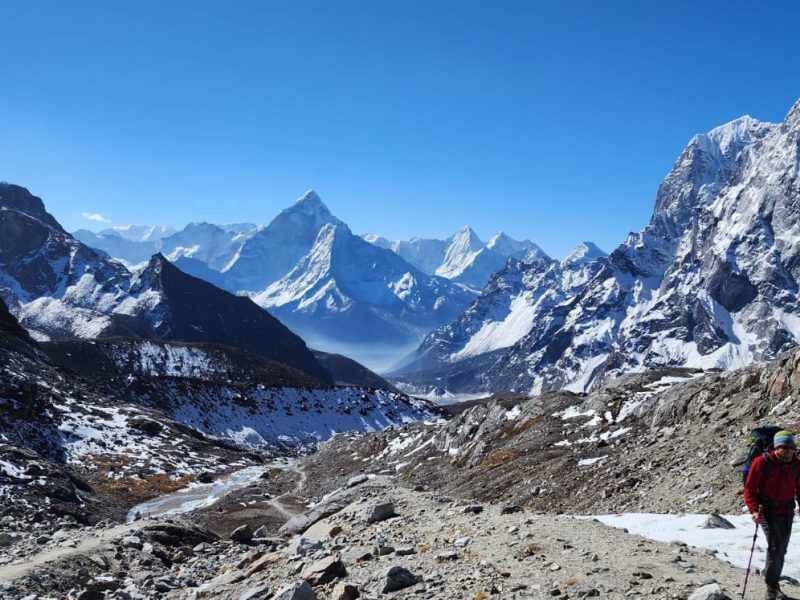
In terms of natural beauty, the trek offers some of the most incredible landscapes you can imagine. Everest and its surrounding peaks provide breathtaking views, while the Gokyo Lakes offer a serene and stunning contrast with their blue-green waters. The Chola Pass itself offers panoramic views of several Himalayan peaks, including Mount Everest, Makalu, and Cho Oyu. The high-altitude lakes, glaciers, and valleys make this trek one of the most visually rewarding in the world.
Chola Pass Trek Route Map
The Chola Pass Trek is a renowned trekking route in Nepal, connecting Gokyo Lakes with Everest Base Camp. This challenging yet rewarding trek offers spectacular views of the Himalayas, including iconic landmarks like Lukla, Namche Bazaar, Gokyo Lakes, and Everest Base Camp. A visual map of the Chola Pass Trek route highlights these significant stops, allowing trekkers to navigate the journey more easily and plan their trip.
Important Landmarks Along the Way
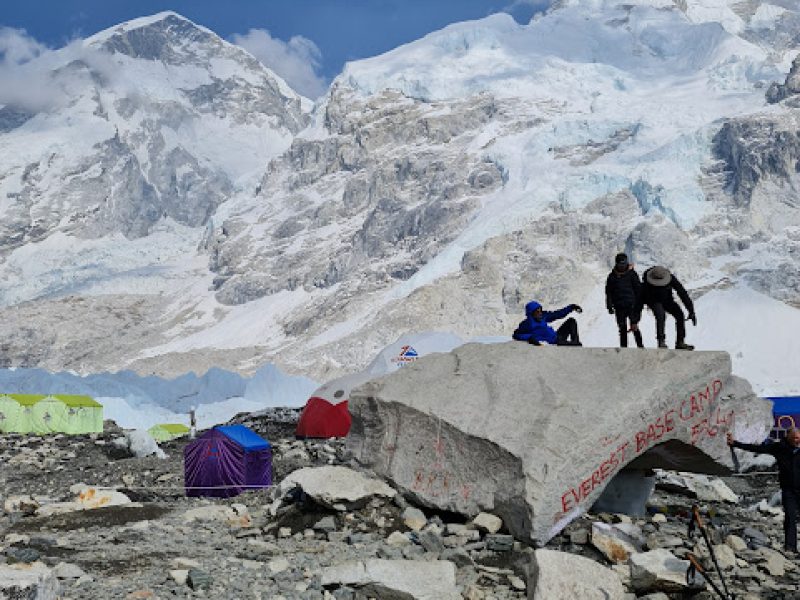
Starting in Lukla, trekkers fly into this bustling airport town before beginning the trek. From Lukla, the trail leads to Namche Bazaar, an important Sherpa town offering excellent views and essential services. Continuing along the route, trekkers reach Gokyo Lakes, a serene spot known for its crystal-clear lakes and views of the surrounding peaks. The final destination is Everest Base Camp, where trekkers can experience breathtaking views of Mount Everest and the surrounding peaks. These landmarks are vital for acclimatization and provide unforgettable experiences for trekkers.
Distances, Altitude, and Trek Duration
The Chola Pass Trek route covers approximately 120-130 kilometers (75-80 miles) round trip, starting from Lukla. The trek gradually ascends, reaching Everest Base Camp at an altitude of over 5,000 meters (16,404 feet). The journey typically takes about 12 to 14 days, allowing time for altitude acclimatization and exploration of the region’s beauty.

When planning your Chola Pass trek, it’s crucial to understand the weather conditions and seasonal changes in the Everest region. The region experiences drastic changes in weather, making it essential to choose the best time for trekking. The ideal seasons are pre-monsoon (March to May) and post-monsoon (September to November). These periods offer clear skies, moderate temperatures, and a fantastic trekking experience.
The best time to trek the Chola Pass is during pre-monsoon (March to May) and post-monsoon (September to November). These months are considered the peak trekking seasons for the Everest region due to their favorable weather conditions. The temperatures are moderate, and there is little chance of rain or snow, ensuring a comfortable trek. If you prefer fewer crowds, the pre-monsoon season is your best bet. However, if you don’t mind a busier trail and want to meet other trekkers, the post-monsoon season is ideal.
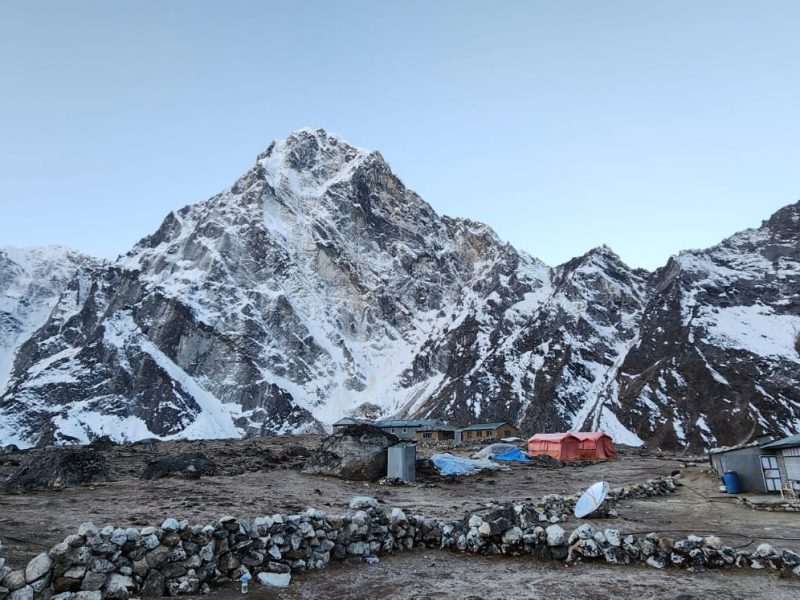
To successfully complete the Chola Pass Trek, being physically prepared is key. The trek involves challenging hikes at high altitudes, so a good level of fitness is essential. Focus on cardiovascular exercises such as running, cycling, or brisk walking to improve stamina. Strengthen your legs with squats, lunges, and hill workouts, as your legs will carry you through the rugged terrain. For the Chola Pass Trek fitness preparation, aim to train for 6-8 weeks before your journey. Hiking with a weighted backpack can help simulate trekking conditions, making it easier when you’re actually on the trail.
Altitude sickness is a major concern on the Chola Pass Trek, as you will be ascending to high altitudes. As the air gets thinner, it can be challenging to breathe. To prevent altitude sickness, acclimatization is vital. Spend extra time at higher altitudes to allow your body to adjust. Drink plenty of water to stay hydrated, and avoid alcohol, which can worsen the symptoms. Chola Pass altitude sickness prevention includes taking it slow, resting frequently, and using medications like Diamox (consult your doctor first). Proper acclimatization will reduce the risk and make your trek more enjoyable.
Mental preparation is just as important as physical fitness when tackling the Chola Pass Trek. The journey can be mentally challenging, especially on long, strenuous days. Staying positive, setting achievable goals, and pacing yourself will help you maintain your energy. Mental preparation for Chola Pass includes practicing patience and resilience. Focus on the breathtaking views to stay motivated. Combine mental strategies with proper acclimatization for Chola Pass Trek by ascending gradually, allowing your body to adapt to the altitude. This will minimize fatigue and altitude sickness, making the trek more enjoyable.
To prepare for the physical challenges of the Chola Pass Trek, specific training is recommended. Increase your endurance by hiking on varied terrain, especially uphill trails, to mimic the conditions you’ll face. At least 3-4 hikes per week will help build your stamina. Incorporate strength training into your routine by doing leg exercises like squats and lunges. To improve overall fitness for Chola Pass Trek training, include activities like yoga, swimming, or cycling. These exercises will improve flexibility, reduce injury risk, and strengthen muscles for long days on the trail.
The Gokyo Lakes to Everest Base Camp trek offers an unforgettable adventure through the stunning landscapes of the Khumbu region. Starting from the scenic Gokyo Lakes, trekkers are treated to incredible views of the surrounding Himalayan peaks, including Mount Everest, Lhotse, and Makalu. The journey is a thrilling blend of challenging terrain and awe-inspiring vistas that make it one of the most popular treks in Nepal. Whether you’re an experienced trekker or a novice, this trek promises both adventure and beauty at every step.
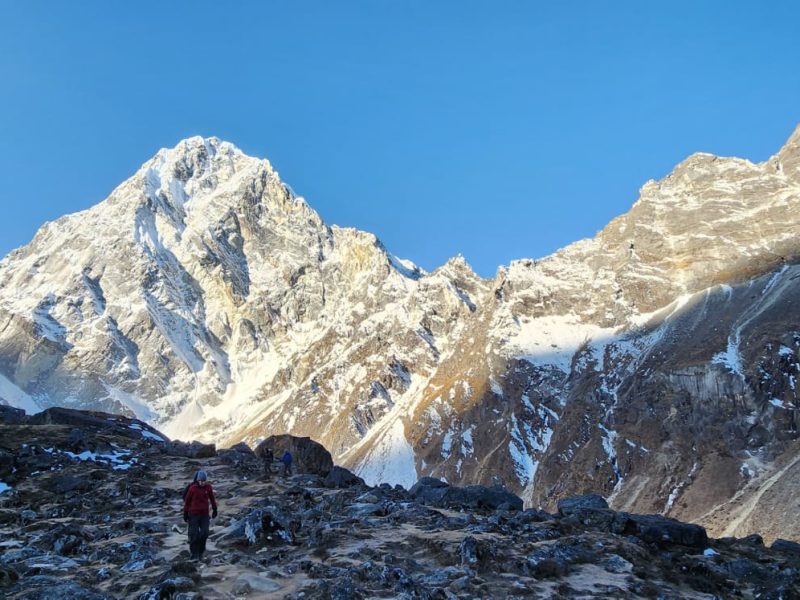
This trek is a photographer’s dream. The Gokyo Lakes are known for their vibrant turquoise color, set against the backdrop of snow-capped mountains. As you ascend, you will reach Gokyo Ri, where you’ll be rewarded with panoramic views of some of the highest peaks in the world. The trek also offers breathtaking opportunities for capturing the majestic Everest view from Kala Patthar, a must-see highlight for every trekking enthusiast. Don’t forget to bring your camera for stunning photos of landscapes that will last a lifetime.
The Cho La Pass is a key landmark during the trek, providing challenging terrain but offering stunning views of the Himalayas. Another highlight is the Gokyo Ri, where trekkers can enjoy a 360-degree view of the towering peaks like Everest, Lhotse, and Makalu. But the ultimate highlight of this trek is reaching Kala Patthar, which offers one of the most iconic views of Mount Everest. From here, trekkers can snap some of the best photos of the world’s tallest peak.
The Gokyo Lakes to Everest Base Camp trek is not without its challenges. One of the biggest hurdles is the high-altitude terrain, which can lead to altitude sickness if not properly acclimatized. The Cho La Pass presents steep ascents that require good physical stamina, while the cold weather and unpredictable conditions at higher elevations can test even seasoned trekkers. Despite these challenges, the rewards—breathtaking views, the thrill of reaching Everest Base Camp, and the sense of achievement—are more than worth it.
When you embark on a trekking adventure in Nepal, such as the Everest Base Camp or Annapurna Circuit, your accommodation options during the trek will primarily be teahouses, guesthouses, and lodges. These are simple, family-run accommodations where trekkers can rest, eat, and sleep. Understanding these options will help you prepare for your trek, ensuring comfort and convenience along the way.
The comfort levels during the trek will vary depending on your altitude and the area you’re trekking through:
When trekking in Nepal, expect traditional Nepali meals served in almost every teahouse or guesthouse. Dal bhat, a dish of rice with lentil soup, is a popular and filling meal that provides the energy needed for the trek. Other meals like soups, potatoes, and breads are also available, especially in the higher-altitude areas like Gokyo and Everest Base Camp.
As you ascend to higher altitudes, such as Gokyo or Everest Base Camp, the facilities become more basic. Preparing for basic facilities at higher altitudes is essential to ensure your comfort and well-being. Here are some tips:
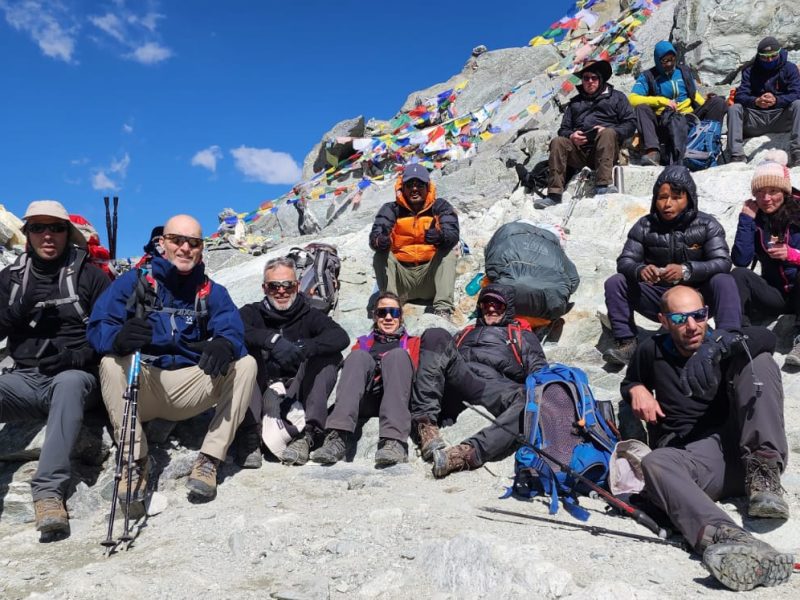
When planning a trek in Nepal, one common question is whether to hire a trekking guide or a porter. Hiring a guide or porter for trekking in Nepal can make your adventure much easier, more enjoyable, and safer. A guide helps with navigation, safety, and cultural insights, while a porter carries your gear, making your trek much more comfortable.
Why You Should Hire a Guide or Porter for Your Trek
Hiring a guide for trekking in Nepal is essential, especially if you’re unfamiliar with the routes. Guides are experts in navigation and know the best trails to take. They also ensure your safety by warning you about potential hazards and helping with altitude sickness. A porter for trekking is incredibly helpful for carrying your heavy backpacks, allowing you to trek with ease and focus on the experience rather than your gear.
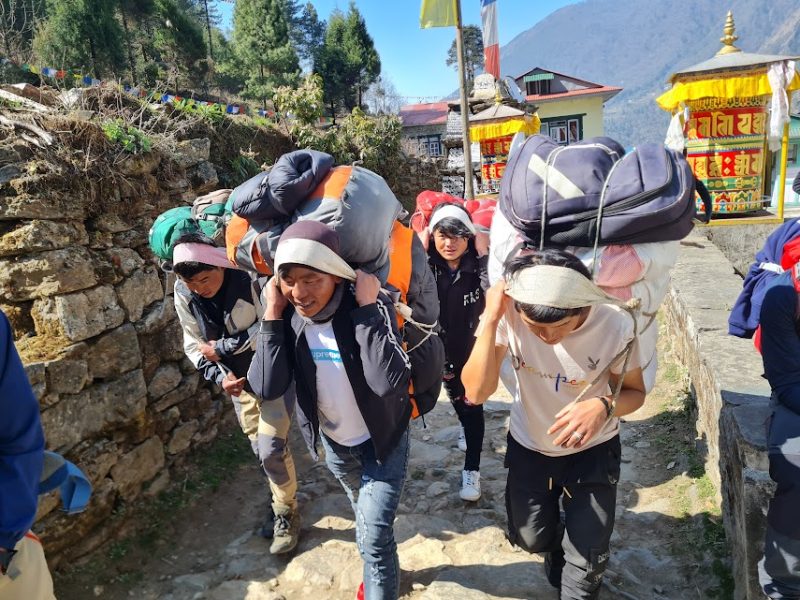
A local trekking guide offers numerous benefits. With a deep knowledge of navigation, a local guide ensures you stay on track throughout your trek. They can help you navigate through unfamiliar trails, ensuring your safety. Additionally, local guides provide valuable cultural insights, allowing you to better understand the places you visit. They also provide safety tips and help you manage the risks of altitude sickness, making your trek much safer and more rewarding.
A porter for trekking plays a vital role in carrying your heavy bags, making your trek far more comfortable. By hiring a porter, you can focus on enjoying the landscape and trekking experience, without worrying about the weight of your gear. Porters are experienced in handling difficult terrain, ensuring your equipment is safely transported from one stop to the next.
Cost of Hiring a Guide or Porter in Nepal
The cost of hiring a trekking guide or porter varies based on the length of your trek and the region. Generally, guides and porters charge a daily fee, which often includes meals, accommodation, and insurance. It’s important to plan your trekking budget to cover these costs. While hiring a guide and porter may add to your expenses, their services provide great value by enhancing your experience and safety throughout the trek.
Challenges and Safety Tips for the Chola Pass Trek
The Chola Pass Trek is an incredible adventure, but it comes with a few trekking challenges that every hiker should be aware of. Some of the most common obstacles include altitude sickness, rough terrain, and unpredictable weather conditions. As you trek higher, the air gets thinner, which can lead to altitude sickness. The Chola Pass trail can also be quite rocky and steep, making it difficult to walk, especially when you’re tired. Additionally, because you’re in the Himalayas, the weather can change quickly, leading to rain, snow, and cold temperatures.
To handle altitude sickness effectively, it’s important to take things slow and allow your body to adjust. Acclimatization days at higher altitudes before reaching Chola Pass are crucial for your body to get used to the reduced oxygen levels. If you feel symptoms of altitude sickness, like headaches or dizziness, it’s essential to stop, rest, and descend if needed. Always be prepared for emergencies by carrying a satellite phone or any communication device to call for help in case of an emergency. Traveling with an experienced Chola Pass trekking guide can make a significant difference in handling altitude sickness and emergency situations.
To stay safe and comfortable, packing the right trekking gear is vital. Bring warm clothes, comfortable trekking boots, and a good quality backpack. Additionally, you’ll need a water purification system (like water purification tablets or a portable filter) to ensure you have access to clean water throughout your hike. Staying hydrated is crucial, especially when trekking at high altitudes. Always carry extra energy snacks to keep you energized and avoid exhaustion.
Lastly, don’t forget the importance of trekking insurance. Having proper trekking insurance for the Chola Pass Trek ensures you are covered in case of emergencies like medical treatment or evacuation. The rugged conditions of the Chola Pass require extra caution, so investing in trekking insurance gives you peace of mind during your journey.
Sherpa Villages and Buddhist Monasteries
As you journey through the Everest trek, you’ll encounter picturesque Sherpa villages, showcasing traditional life in the Himalayas. The Sherpas, renowned for their mountaineering skills and hospitality, invite trekkers into their communities. Along the route, you will also come across important Buddhist monasteries and stupas, like the famous Tengboche Monastery. These cultural landmarks not only add to the beauty of the trek but are also key to understanding the spiritual practices and way of life in Sherpa culture. The Sherpa villages and Buddhist monasteries along the way provide rich cultural experiences that make your trek memorable.
Meeting the Sherpa People
A unique aspect of the Everest trek is the opportunity to meet the local Sherpa people. Known for their warm hospitality, the Sherpas are happy to share their traditions, stories, and local customs with visitors. By interacting with them, trekkers gain a deeper understanding of their way of life. Sherpa customs and culture are shaped by a deep connection to the mountains and Buddhist religion, and by spending time with them, you’ll gain insights into their history and daily routines. These personal interactions are one of the highlights of the trek, making it more than just a physical journey.
Spiritual Significance of Tengboche Monastery
A must-visit on your Everest trek is the Tengboche Monastery, a spiritual hub for the Sherpa community. Located at an altitude of 3,867 meters, this sacred site is known for its religious importance and stunning panoramic views of the surrounding mountains, including Mount Everest. The Tengboche Monastery significance goes beyond its breathtaking location; it’s a place for prayer, meditation, and reflection. For trekkers, stopping here offers a chance to experience Buddhist culture up close and receive blessings for the journey ahead. It’s a peaceful and spiritual stop on the trail, offering moments of tranquility.
Economic Impact on Local Communities
The Everest trek is not just an adventure; it also provides significant support to the local economy. Sherpa guides and porters are essential to the success of the trek, helping trekkers navigate the challenging terrain safely. The income generated from trekking tourism supports local businesses, including guesthouses, shops, and restaurants. This steady stream of income helps sustain Sherpa traditions and ensures that the local communities continue to thrive. By trekking in the region, you’re contributing to the local economy, helping preserve the cultural heritage of the area, and supporting the livelihoods of the Sherpa people.
The Chola Pass Trek is one of the top trekking experiences in Nepal, offering trekkers an unforgettable adventure through the stunning Everest Base Camp and Gokyo Lakes. This challenging trek takes you through rugged terrain, high mountain passes, and spectacular views of the Himalayas. It’s perfect for adventure seekers looking for a trek that combines both physical challenge and breathtaking natural beauty.
Proper trek preparation is key to enjoying the journey. Ensure you’re in good physical condition and pack the essentials like comfortable trekking boots, warm clothing, water, and snacks. Don’t forget to bring a camera to capture the amazing views along the way.
The Chola Pass Trek offers trekkers the opportunity to challenge themselves while experiencing one of Nepal’s most famous treks. With its incredible scenery and physical demands, it’s truly an adventure worth taking. Trekking enthusiasts should definitely consider this trek, as it’s a life-changing experience that will leave you with memories to last a lifetime.
For a safe and enjoyable trek, consider booking a guided trek with an experienced local guide who knows the route well. If you’re ready to begin your own adventure, start preparing by focusing on your fitness and gathering the right gear. The Chola Pass Trek is waiting for you—don’t miss the chance to explore the heart of the Himalayas!
Call/WhatsApp: +977-9851218358 | +977-9841937489
Email: info@natureheaventrek.com | natureheaventrek@gmail.com
Address: Pakjonal Marga-16, Thamel, Kathmandu, Nepal
Website: https://natureheaventrek.com/