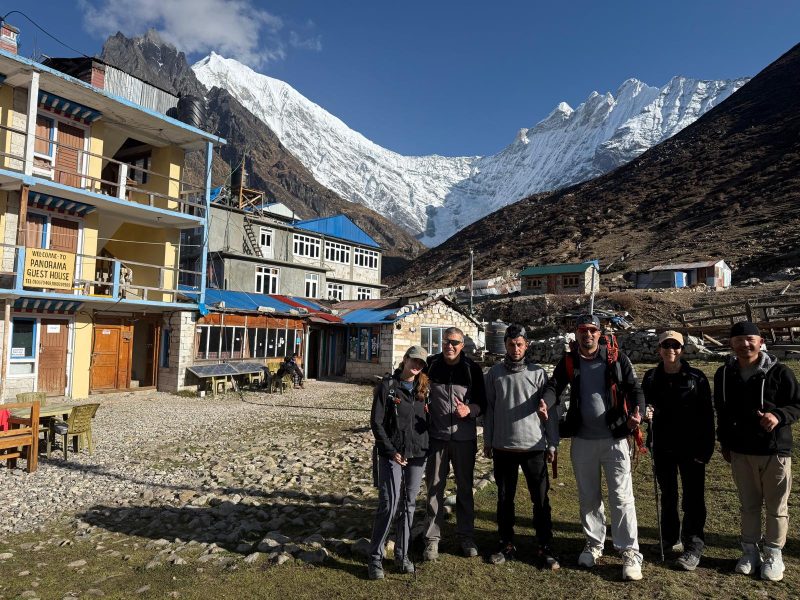
Langtang is not only famous for its mountains and trekking trails, but also for its rich culture. When you trek in the Langtang Valley with Nature Heaven Treks and Expedition, you do not just see snow peaks and glaciers—you also meet the people who live in this beautiful part of the Himalayas. Their lifestyle, traditions, and festivals add a deep meaning to your journey. This is why many trekkers say that the culture of Langtang is just as special as its natural beauty.
Walking through the valley, you will find a strong influence of Tibetan Buddhism. The Tamang people, who are the main community here, share roots with Tibet. You will see colorful prayer flags, monasteries, chortens, and mani walls along the trails. Trekkers often stop to spin prayer wheels or watch monks chanting in small monasteries. These cultural experiences create peaceful moments that stay in your memory long after the trek is finished.
In higher areas like Kyanjin Gompa, the mix of Tamang, Sherpa, and Tibetan culture becomes very clear. Sherpa hospitality, Tamang dances, and Tibetan rituals all blend together in one valley. If you join local festivals or eat homemade dishes like yak cheese and butter tea, you truly feel part of the Himalayan lifestyle. At Nature Heaven Treks and Expedition, our guides love to share these traditions with trekkers so you can understand their meaning, not just see them.
Cultural experiences make the Langtang Valley Trek with Gosaikunda Lake unique compared to other treks in Nepal. While the Everest and Annapurna treks are world-famous, Langtang gives you a quieter and more personal connection with local people. This makes it perfect for trekkers who want authentic culture, friendly villages, and natural beauty together. Choosing Nature Heaven Treks and Expedition means you will enjoy not only safe trekking but also real human connections in the heart of the Himalayas.
The Tamang people are the largest ethnic group in the Langtang region. They have lived here for centuries, and their lifestyle, culture, and traditions are strongly influenced by their Tibetan ancestry. Many Tamang families still follow age-old customs, farming practices, and Buddhist beliefs passed down from their ancestors. When you trek with Nature Heaven Treks and Expedition, you will see their unique houses, stone walls, and prayer flags that make their villages very special. This cultural richness adds more meaning to your trekking experience in the Himalayas.
Over the years, the Tamang people developed their own identity, but their connection with Tibetan migration is still visible in their language, food, and clothing. For example, they prepare Tibetan-style dishes like thukpa and momos, wear warm woolen dresses, and celebrate festivals with Buddhist prayers and dances. This gives trekkers not only a chance to enjoy mountain views but also to explore a living cultural heritage. For travelers who are interested in both nature and culture, Langtang is one of the best trekking destinations in Nepal.
Apart from the Tamang, there are also small Sherpa communities in the higher villages of Langtang. The Sherpas are famous worldwide for their climbing skills and their deep connection with the mountains. In Langtang, Sherpa families live in remote areas where they raise yaks, grow potatoes, and practice Buddhism. Staying in their tea houses during your trek offers trekkers a warm welcome and a close look at Sherpa traditions. At Nature Heaven Treks and Expedition, our guides help you connect with local families so you can learn directly from them.
The lifestyle in these remote mountain villages is very simple and peaceful. People live close to nature, depend on farming, animal herding, and seasonal tourism for their daily needs. Life is not always easy in the high Himalayas, but the warmth and hospitality of these communities make the Langtang Valley Trek very special. By booking your trek with Nature Heaven Treks and Expedition, you not only enjoy a safe and well-organized journey but also support local families and sustainable tourism in the Langtang region. This way, your adventure becomes both meaningful and unforgettable.
The Langtang Valley is deeply connected to Tibetan Buddhism. Many local people follow this faith, which guides their daily life, culture, and traditions. As trekkers walk along the trail, they will see monasteries (called gompas), prayer wheels, and chortens (small stupas). These are not only religious sites but also important landmarks for visitors who want to understand the spiritual side of the Himalayas. With Nature Heaven Treks and Expedition, you can learn about these traditions from local guides who explain their meaning in very simple words.
In some villages of Langtang, you can still see the influence of Bon religion, which is older than Buddhism. Bon practices include nature worship and respect for mountains, rivers, and forests. For trekkers, this creates a strong feeling of connection to nature. When you trek with Nature Heaven Treks, our team helps you explore these ancient beliefs and shows how they blend with Tibetan Buddhism to create a unique spiritual culture in the Himalayas.
All along the Langtang trail, you will pass by Mani walls—long stone walls carved with Buddhist prayers. You will also see colorful prayer flags hanging across bridges, hilltops, and villages. Each flag carries blessings of peace, strength, and good health, which are believed to spread with the wind. Trekkers are always advised to walk on the left side of Mani walls and prayer wheels as a sign of respect. This simple act helps you feel more connected with the people and their faith.
For trekkers looking for not only adventure but also a deeper spiritual experience, the Langtang Valley Trek is very special. Visiting gompas, spinning prayer wheels, or simply walking under fluttering prayer flags makes the journey peaceful and inspiring. At Nature Heaven Treks and Expedition, we make sure you don’t just walk the trail—you also understand the meaning behind these traditions. This combination of trekking and learning about local religion, culture, and spirituality makes the Langtang Valley Trek a once-in-a-lifetime journey.
Festivals are a very special part of life in the Langtang Valley. The biggest celebration here is Lhosar, the Tibetan New Year. Local people celebrate it with colorful dances, Buddhist rituals, prayers, and delicious feasts. Families come together, wear traditional dress, and offer food to guests. For trekkers walking with Nature Heaven Treks and Expedition, this is a great chance to see local culture up close, take photos, and even join small gatherings with villagers. It feels very warm and welcoming, making your trekking journey more memorable.
Another important celebration is Buddha Jayanti, which marks the birth of Lord Buddha. On this day, monasteries in Langtang and Kyanjin Gompa are decorated with prayer flags, butter lamps, and flowers. People chant prayers, perform rituals, and share blessings. Similarly, the Dumji Festival is celebrated with traditional Sherpa songs, masked dances, and community prayers. These festivals are not only spiritual but also joyful social gatherings. With the help of our expert guides, you can visit monasteries at the right time to witness these events in a respectful way.
Festivals in the Langtang region are closely linked to agricultural cycles and spiritual beliefs. For example, villagers celebrate when planting begins or after the harvest season, offering prayers for good crops and protection from natural disasters. These celebrations show how nature, farming, and faith are all connected. As you trek through the valley, you will notice how prayer flags, mani walls, and small chortens are decorated more beautifully during festive times.
For trekkers, these festivals bring a golden opportunity to not just trek, but also connect with local people. Watching dances, enjoying home-cooked meals, or simply sharing tea with villagers gives you a deeper understanding of the Himalayan lifestyle. At Nature Heaven Treks and Expedition, we plan itineraries that can match with festival dates, so travelers can enjoy trekking, sightseeing, and cultural celebrations together. This adds real value to your trip and makes your journey in Nepal more than just an adventure – it becomes a cultural experience you will never forget.
The Langtang region is home to rich cultural traditions, where language plays a key role in daily life. The Tamang community, who are the main residents, mostly speak Tamang language, while some villages close to Tibet use Tibetan language. At the same time, Nepali works as a link language, helping people connect with visitors and other communities. For trekkers with Nature Heaven Treks and Expedition, this mix of languages creates a unique cultural experience where you can hear different dialects and expressions as you travel through the villages.
Music and dance are very important in the Tamang community. Traditional folk music is played with instruments like the damphu (drum) and is often joined by lively dances. These performances are not only for festivals but also for social gatherings and celebrations. During your trek with Nature Heaven Treks and Expedition, you may see or even join in these cultural activities, which make the journey more memorable and interactive.
Oral storytelling is another powerful tradition in the Langtang region. Elders often share folk tales, songs, and stories about the mountains, local spirits, and history. These stories explain the relationship between people and nature, and they carry important cultural values. Trekkers love listening to these tales because they give a deeper understanding of the mountains beyond just the physical trek. With Nature Heaven Treks and Expedition guides, you can also learn the meaning behind these traditions in simple, easy-to-understand ways.
Passing culture from one generation to another is very important in Langtang. Parents and grandparents teach children their language, music, and stories, keeping the culture alive. This living tradition makes the Langtang Valley Trek not only an adventure but also a chance to witness how heritage and identity are preserved. By trekking with Nature Heaven Treks and Expedition, you are supporting these communities, helping them share their traditions with the world, and ensuring their cultural stories continue for future generations.
The villages in the Langtang Valley are built with traditional stone houses. These homes are strong enough to resist the cold Himalayan weather. The walls are made of stacked stones, and the windows and doors are decorated with wooden carvings. When you walk through the settlements during your trek with Nature Heaven Treks and Expedition, you can clearly see how the people’s lifestyle and the Himalayan environment are connected. This unique architecture of Langtang Valley is both cultural and practical, giving trekkers a real taste of local life.
Art and religion are also part of daily living. Buddhist artistic expressions like colorful thangkas, detailed wood carvings, and statues of deities can be found in monasteries and homes. These works are not just for beauty—they show deep spiritual meaning. For travelers who want cultural and spiritual experiences, the Langtang cultural trek with Nature Heaven Treks offers a close look into these traditions. This makes the journey more than just trekking—it is a learning and inspiring adventure.
In everyday life, yaks and mules play a big role. They carry goods, firewood, and sometimes even trekking supplies. Seeing yak caravans on the trails is a common sight, and it shows how local people depend on animals for their livelihood. This way of life is different from cities and gives trekkers a chance to understand the importance of sustainable living in Langtang. When you trek with our guides, you will notice how animals, nature, and people all work together to survive in the mountains.
Local skills are also very special. Villagers are engaged in agriculture, weaving, and handicrafts. You may see women weaving traditional clothes or locals selling handmade souvenirs like woolen hats and carpets. Buying these crafts directly supports the community and helps keep their culture alive. At Nature Heaven Treks and Expedition, we encourage trekkers to connect with locals and appreciate these simple yet beautiful aspects of Himalayan daily life. It makes the trek more meaningful and supports the region’s economy in a fair way.
Tourism and modernization have brought both positive and negative impacts on local culture. On one side, visitors bring new ideas, technology, and money, which can improve living standards. But on the other side, traditional lifestyles, languages, and customs can slowly disappear when young people choose modern trends instead of their roots. In trekking regions like Langtang, Everest, and Annapurna, the challenge is to balance tourism growth with cultural preservation. At Nature Heaven Treks and Expedition, we believe tourism should not only be about adventure but also about respecting and supporting the communities you visit.
Many efforts are being made to sustain local culture and traditions in Nepal. Villagers organize festivals, dance performances, and rituals to share their heritage with trekkers. Schools are teaching children about their mother tongue and customs, so they do not get lost in modernization. Community groups also protect traditional architecture, handicrafts, and farming practices. When you trek with Nature Heaven Treks and Expedition, you directly support these efforts, because a part of your payment goes back to the local people who keep their traditions alive. This makes your journey meaningful and responsible.
Homestays and community tourism play a big role in cultural preservation. Staying in a homestay allows trekkers to live with local families, eat homemade food, and learn daily customs like cooking, farming, or weaving. This experience gives travelers real cultural knowledge, while locals earn income without changing their lifestyle. Nature Heaven Treks and Expedition works closely with local homestays and community lodges, so trekkers get authentic experiences while communities feel proud of their traditions. This way, tourism becomes a partnership where everyone wins.
Trekkers themselves also play a very important role. By showing respect to local culture—like greeting with “Namaste,” dressing modestly, asking before taking photos, and learning a few Nepali words—you become part of cultural preservation. Buying local handicrafts, attending festivals, and choosing eco-friendly services also help. At Nature Heaven Treks and Expedition, we guide our clients on how to engage respectfully and responsibly, so their trekking adventure not only brings joy but also helps protect Nepal’s beautiful culture for future generations.
Call/WhatsApp: +977-9851218358 | +977-9841937489
Email: info@natureheaventrek.com | natureheaventrek@gmail.com
Address: Pakjonal Marga-16, Thamel, Kathmandu, Nepal
Website: https://natureheaventrek.com/