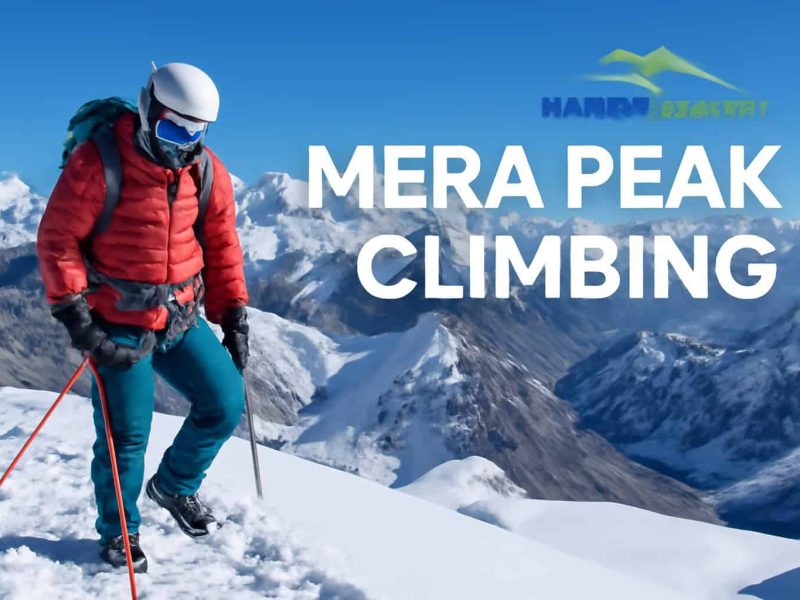
Mera Peak, standing at 6,476 meters (21,246 feet), is one of Nepal’s most famous trekking peaks, offering an exciting adventure for those with basic mountaineering skills. Located in the Everest region, it’s often described as a dream climb for both seasoned trekkers and beginners looking to take on their first high-altitude challenge. Unlike some of the more technical climbs, Mera Peak allows climbers to experience the thrill of reaching above 6,000 meters without requiring extensive technical expertise, making it perfect for those ready to push their limits.
The journey to Mera Peak is as much about the experience as it is about the climb itself. From start to finish, climbers are treated to spectacular views of the Himalayan giants like Mount Everest, Makalu, and Lhotse. Along the way, trekkers pass through traditional Sherpa villages, lush forests, and alpine meadows, making the adventure not just a physical challenge, but a cultural journey as well. The landscape, along with the unique experience of walking in the shadow of the world’s tallest mountains, makes Mera Peak an unforgettable experience.
For anyone dreaming of climbing in Nepal, Mera Peak provides the perfect balance of challenge and reward. It’s an accessible yet breathtaking climb that offers spectacular views, a sense of achievement, and a true Himalayan adventure. If you’re searching for an adventure that combines incredible natural beauty and a sense of personal accomplishment, then Mera Peak climbing should definitely be on your list. Whether you are a beginner with some mountaineering experience or an adventure enthusiast looking to test your limits, Mera Peak is an ideal choice.
Mera Peak, standing at 6,476 meters, is a fantastic choice for both beginner climbers and seasoned trekkers looking for an exciting yet achievable challenge. Unlike many other peaks in the Himalayas, Mera Peak is known for its accessibility. It doesn’t require advanced technical mountaineering skills, making it a perfect option for climbers with basic mountaineering experience. The route to the summit is well-defined, and the altitude gain is gradual, so trekkers can acclimatize effectively while enjoying the beautiful views of the surrounding mountains. It’s a great introduction to high-altitude climbing in Nepal, offering a thrilling yet safe adventure.
For experienced trekkers, Mera Peak offers the challenge of a high-altitude climb with a rewarding summit experience. It gives you the chance to push your limits while surrounded by some of the most stunning views in the world. The summit offers panoramic views of several iconic peaks, including Everest, Makalu, and Lhotse. The relatively low technical difficulty makes it ideal for those who want to test themselves without the extreme technical demands of more difficult peaks. Whether you’re a first-timer or an experienced climber, Mera Peak presents an unforgettable adventure.
Mera Peak climbing is also appealing because of the unique experience it offers. The trek itself takes you through remote villages and lush forests, giving you a glimpse into the local Sherpa culture. You’ll get to walk through some of the most beautiful landscapes in Nepal, from subtropical jungles to alpine meadows, before reaching the snow-covered summit. This combination of natural beauty, accessibility, and moderate challenge makes Mera Peak a must-do for climbers and trekkers looking for an adventure in Nepal. If you’re looking for a climb that offers both stunning scenery and a manageable challenge, Mera Peak is the perfect choice.
Spring Season – March to May (“traffic” picks up)
In the spring, from around March through May, the Mera Peak climbing season opens up in earnest. The weather conditions tend to become more stable after winter: there is less heavy snowfall than in deep winter and the skies begin clearing, allowing better visibility of the surrounding Himalayan peaks. Since more people know this is a good time, the climber traffic is higher: more groups, more guides, more services. That’s good because you get support, but you also need to book earlier. The human keyword here is clearer skies and moderate weather, which help you see views, move safely, and enjoy the expedition.
One caveat: early March can still be quite cold and there may still be patches of winter snow lingering; late May is near monsoon start, so there is a chance of rain clouds creeping in. So if you pick the spring window, aim for April if possible, when the balance of weather conditions, visibility and traffic is best.
Autumn Season – September to November (post‑monsoon “traffic” peak)
The second best window is in autumn, from roughly September to November. This is often called the prime Mera Peak expedition time because after the summer rains (monsoon) the air becomes very clean and visibility is excellent: you get crisp skies, fantastic mountain views, and generally stable weather conditions. The word “traffic” here means that many climbers aim for this window, so the routes, flights and camps fill up faster.
From a human‑keyword angle: you get fewer storms, stable skies, great visibility, and the weather conditions are as good as it gets for this peak. It gets colder than spring though, especially later in the season, so you’ll need warm gear. Also booking ahead is smart because the traffic of climbers is heavy. If you choose the autumn window, early October is often the sweet spot: clear skies, comfortable weather, and high summit success rate.
First you must book a flight from Kathmandu to Lukla Airport (also called Tenzing‑Hillary Airport). This domestic flight is your main logistics start point for the trek. The airport is small, early morning flights are common, and weather delays happen so book your “Kathmandu → Lukla flight” with a reliable “Nepal trekking operator” or “adventure travel brand”. The airport sits at high altitude with no alternative road access for most of the route.
Once you land in Lukla, your “Mera Peak trekking route” begins on foot. From Lukla you trek through villages, forests and valleys, following trails like Lukla → Chutanga → Thuli Kharka → Kothe → Thangnak → Khare base camp. Along the way you’ll logistically coordinate with your trekking company/guide for porters, lodges or teahouses, gear check, and acclimatization stops. This section is critical for “trekking logistics” and “teahouse accommodation” in branded expedition packages.
Finally, the base camp for Mera Peak (or “Mera Peak base camp logistics”) is reached after several days of trekking from Lukla. From there you prepare for the summit push: high camp, gear setup, fixed ropes, glacier travel. The return takes you back along the same trail to Lukla, then a flight back to Kathmandu. Your expedition package will often include “permit processing” (local area permit, Makalu Barun National Park permit, climbing permit) and “gear rental options” as part of the transaction.
Fitness Requirements for the Climb
Climbing Mera Peak is a physically demanding adventure due to its high altitude (6,476 meters), so it’s important to ensure you’re in good physical shape before embarking on the trek. You need to be able to walk for 5-8 hours a day, often on uphill, uneven terrain, while carrying a backpack. The key fitness areas to focus on are endurance, strength, and altitude adaptability. Mera Peak’s altitude means the oxygen levels are lower, which makes it harder for your body to breathe. Therefore, having a good level of fitness before you go is crucial to help your body cope with the thin air during the climb. For a successful summit, a well-rounded fitness routine is necessary, which includes cardio, strength training, and hiking practice.
Training Tips: Endurance, Strength, and Acclimatization
Endurance is vital for the Mera Peak trek. To build endurance, focus on cardiovascular exercises like jogging, cycling, and swimming. The goal is to be able to walk 4-5 hours without feeling overly tired. Incorporate long, slow walks or hikes, gradually increasing the distance and difficulty. Strength training is also essential for the climb, particularly for your legs and core. Exercises like squats, lunges, step-ups, and planks help build the strength needed for steep, tiring trails. Additionally, practicing with a weighted backpack during hikes will simulate the actual load you’ll carry. Acclimatization is the third crucial element: training at higher altitudes, if possible, can help your body adjust to the lower oxygen levels. During the actual trek, it’s also important to include rest days to allow your body to adjust and avoid altitude sickness.
Why Physical Conditioning is Important for High-Altitude Trekking
Physical conditioning is not just about being fit; it’s about ensuring your safety and success during the climb. At high altitudes, the body works harder than usual. You’ll breathe faster, tire more quickly, and be exposed to challenging weather conditions. If you’re not physically prepared, these challenges can become overwhelming and increase the risk of fatigue, injuries, or altitude sickness. A well-conditioned body gives you the strength and endurance to tackle the tough sections of the climb, improves your stamina, and allows your body to adapt better to the altitude. The better your physical condition, the more likely you are to enjoy the experience and successfully reach the summit of Mera Peak.
1. Necessary Permits for Mera Peak Climb
Before you begin your Mera Peak trek, you’ll need to secure the required permits for a legal and safe climb. These are:
2. Cost Breakdown for Travel, Accommodation, and Climbing Fees
To ensure you’re prepared financially, here’s a breakdown of the expected costs associated with climbing Mera Peak:
3. Why Proper Budgeting Matters
Planning ahead for your Mera Peak climb is crucial. While permits are necessary for legal trekking, your travel, accommodation, and guide fees are key factors that can add up quickly. Ensuring you have a detailed budget will help you avoid unexpected expenses. Additionally, a reputable trekking agency can assist you in handling all logistics, which simplifies the process and ensures you’re prepared for any challenges during the climb. By securing the right permits and accurately estimating the costs of travel, accommodation, and services, you’ll have a much smoother experience.
Clothing & Layering Essentials For a climb like Mera Peak (6,476 m), your clothing needs to be smart and layered. Start with base layers (thermal tops and bottoms) that wick moisture and keep you warm. On top, mid‑layers like a fleece and an insulated down jacket are critical. Then you’ll need a quality outer shell: waterproof and windproof jacket and pants. Bring a warm hat, balaclava or face‑mask, warm gloves and mittens, and good hiking boots and mountaineering boots. According to a recent guide, “moisture‑wicking shirts (long and short sleeve), thermal tops and bottoms, lightweight down jacket, water‑resistant breathable jacket with hood” are on the recommended list for the Mera Peak expedition. Don’t forget sunglasses with strong UV protection, a sun‑hat, and high SPF sunscreen — at high altitudes UV is intense.
Gear & Equipment Beyond clothes, you’ll need actual climbing gear for the summit section of Mera Peak. Essentials include mountaineering boots compatible with crampons, crampons themselves, an ice‑axe, harness, helmet, ascender (jumar), carabiners, and a belay/figure‑8 device. One gear list states: “Climbing boots · Crampons · Ice Axe · Helmet · Harness · Ascender (Jumar) · Carabiners …” for the climb. You’ll also want a good 70‑80 L backpack for the expedition, and a smaller daypack (30‑35 L) for summit day. Choose gear that’s light, durable, and multi‑purpose so you carry less weight but stay safe. Many agencies mention you can rent heavier items like boots or crampons in Kathmandu or at base camp if needed.
Other Essentials, Tips on Choosing Equipment In addition to clothes and climbing gear, your packing list must include essentials like a sleeping bag rated for at least –15°C to –20°C, head‑lamp with spare batteries, power bank, hydration bottles (insulated if possible), trekking poles, gaiters, high‑energy snacks, first‑aid kit, and altitude sickness medicine. Also include travel documents and your permit copies. A useful tip: When choosing gear, go for trusted reputable brands (for example: boots from La Sportiva or Scarpa, crampons from Petzl or Grivel) and try on boots in advance so they’re broken‑in. Keep your pack well balanced by placing heavier items close to your back and lighter items outward, and use waterproof covers or dry‑bags to protect your skin layers and electronics from snow and rain. Proper packing and equipment choice means you’ll have a smoother, safer, and more comfortable “high‑altitude climb” experience.
Accommodation and Tea Houses
When you trek toward Mera Peak, your accommodation will mostly be in tea‑houses and lodges along the trail—what we call “Mera Peak tea‑house stays.” In the lower to mid‑altitude sections (for example around Kothe, Thuli Kharka) you’ll find small guesthouses or tea‑houses with cozy twin‑bed rooms or dorm‑style rooms, blankets, pillows, and shared toilets. They often serve as your “Himalayan lodge stop” for the night, giving you a chance to rest, warm up, and interact with fellow trekkers. As you climb higher (above 4 000 m and especially near base camp), the comfort level steps down slightly: fewer amenities, simpler rooms, hot showers may cost extra, Wi‑Fi is limited, and power may be inconsistent.
The tea‑houses and their amenities are key parts of your journey—they form the backbone of your “Himalayan tea‑house experience” and “Mera Peak lodge service”. As you stop each night you’ll get meals (breakfast, lunch, dinner) cooked freshly—in many tea‑houses you’ll see rice, lentils, veggies, sometimes meat or eggs, noodles, and warm soup. The dining hall becomes a social hub where you swap trekking stories, stay warm, and prepare for the next day. The lodges/tea‑houses also offer basic services such as charging phones (for a fee), maybe Wi‑Fi (chargeable, slow) and sometimes hot showers (especially in the lower elevations—but at higher camps it may be expensive or absent). At the highest camps (e.g., the high‑camp for Mera Peak) you’ll often stay in tents arranged by the expedition company instead of permanent tea‑houses—so that becomes part of your “Mera Peak high camp tent stay”.
The Typical Route & Climbing Phases
The journey for the “Mera Peak expedition plan” starts with your trek from Lukla (after your Kathmandu flight) into the remote valleys of the Khumbu/Hinku region following the “Himalayan adventure route” toward the base camp of Mera Peak. You’ll walk through villages and forests, then gradually climb up to places such as Khare (about 5,045 m) where you rest and ready for the technical climb. From Khare you head to the high camp (about 5,780 m) and then begin your summit push toward the ridge and final ascent of Mera Peak (6,461‑6,476 m) along the glacier and snow slopes.
On the day of your “Mera Peak summit strategy”, you leave the high camp very early (often pre‑dawn), move through steep snow and ice (with fixed ropes if required), reach the top, enjoy the panoramic 360° views, and then descend back down to Khare or camp.
Importance of Acclimatization & Key Phases
In your “Mera Peak expedition plan”, the acclimatization phase is really important. You’ll spend several nights at intermediate altitudes (for example at Khare or on the way to high camp) so your body can adjust to less oxygen — this is part of the “Himalayan adventure preparation”.
If you rush the ascent without good acclimatization days, you risk altitude sickness, fatigue, or lower chance of summit success. So the phases go: trek in slowly → rest‑and‑acclimatize at Khare → move to high camp → summit push → safe descent. Each phase is built into the “Mera Peak guided climb” route plans to maximize safety and success.
Altitude Sickness:
One of the biggest challenges on the Mera Peak trek is altitude sickness. As you ascend, the air gets thinner and has less oxygen, which can make breathing difficult. Symptoms include headaches, dizziness, nausea, and fatigue. Even if you’re in good shape, your body needs time to adjust to the higher altitude. To prevent altitude sickness, you should ascend slowly, take rest days, and stay hydrated. Always listen to your body—if you’re feeling unwell, it’s important to stop and rest. If symptoms persist, descending to a lower altitude can help.
Weather Conditions and Physical Exertion:
Another challenge is the weather conditions. The weather in the Himalayas can change rapidly, with snow, rain, and cold winds common at higher elevations. This can make the trail slippery and dangerous, and at night it can get extremely cold. Moreover, physical exertion plays a big role in your ability to succeed. Trekking for hours a day with a backpack can be physically exhausting. The key to managing these conditions is proper preparation. Dress in layers to stay warm, wear good-quality waterproof gear, and be ready for cold nights. It’s also crucial to maintain a steady, comfortable pace to avoid overexertion. Rest and acclimatization days are essential for helping your body cope with the physical demands of the trek.
Tips for Overcoming These Challenges:
To tackle these obstacles, planning and preparation are crucial. Follow the rule of “climb high, sleep low” to allow your body to adjust to the altitude. Drink plenty of water to stay hydrated and avoid alcohol or smoking, which can worsen altitude sickness. It’s also important to have the right gear—warm clothes, good hiking boots, and waterproof jackets are essential for dealing with cold and wet weather. A guided trek with an experienced team can also help you navigate these challenges safely, giving you expert advice on pace and acclimatization.
Climbing with a Guide and Equipment Check
One of the most important safety steps when climbing Mera Peak is hiring a certified guide. A professional guide not only ensures your safety on the mountain, but also helps with the Mera Peak safety gear check. This includes checking equipment such as crampons, ice axes, helmets, and ropes. Having the right gear and ensuring it is in proper condition is essential to avoid accidents. Your guide will also help with trail communication, making sure that you have the proper devices like walkie-talkies or satellite phones in case of an emergency. When climbing at high altitudes, communication is key to staying safe, especially if you encounter unexpected weather changes or health issues. Climbing without a guide increases the risk of getting lost or facing an emergency without immediate help.
Being Prepared for Emergency Situations
It’s equally important to be prepared for any emergency situations during your Mera Peak climb. High altitudes can bring on altitude sickness, which includes symptoms like dizziness, nausea, and headaches. A certified guide is trained to recognize these symptoms and knows how to react in emergencies, such as quickly descending to a lower altitude or administering first aid. Always carry an emergency kit with items like a thermal blanket, extra clothing, first‑aid supplies, and a headlamp. These essentials can make a difference in case of an emergency. Safety should always come first, and by hiring a guide and being prepared for emergencies, you ensure that you’re ready for anything that comes your way during the climb.
On the day of your summit push, you’ll leave the high camp early — often just before dawn — to tackle the final route toward the 6,476 metre summit. This “Mera Peak summit climb” begins in darkness, moving steadily through snow slopes and ridges, as your guide sets the pace and you use crampons and ropes if needed. Typical duration for the summit ascent is 6 to 8 hours one way from high camp. Because you’re moving at high altitude, the air is thin, the temperature is cold, and you need to drink often, move slowly, and conserve energy — this is the real “Himalayan peak experience” moment.
Once you stand on the summit of Mera Peak, you’ll be rewarded with a panoramic, jaw‑dropping “Mera Peak epic view” of the Himalayan giants: Mount Everest, Lhotse, Makalu, Cho Oyu and Kanchenjunga amongst others. You’ll spend some time taking in the view, feeling the adrenaline, snapping photos and absorbing the moment before beginning the descent (which itself can take several hours). Factors that influence how the summit day goes include your fitness, acclimatization success, early‑morning weather, the slope and snow conditions, and how you handle the altitude. If one of those is off (say weather goes bad or you didn’t acclimatize well) the day can become much tougher.
Mera Peak offers one of the most rewarding trekking experiences in Nepal. As the highest trekking peak in the country, it challenges climbers with its spectacular views of the Himalayas, including Everest, Makalu, and Cho Oyu. The climb is a perfect choice for those looking for a high-altitude adventure that’s more accessible than the technical summit climbs of Everest or other peaks. Not only does it provide a sense of achievement, but the stunning landscapes and the cultural immersion into the Sherpa region make it a life-changing experience. Whether you’re a seasoned trekker or someone looking to take their mountaineering to the next level, Mera Peak is a must-do for any mountain enthusiast.
If you’re ready to take on the challenge of climbing Mera Peak, now’s the time to start planning. Whether you need to book your Mera Peak trekking tour or purchase the right climbing gear, there are plenty of trusted trekking companies that can guide you through the process. Visit links like for more information. Be sure to check out recommended Mera Peak equipment lists to ensure you’re fully prepared. Don’t forget to share your own Mera Peak experience once you return — let others know how it feels to stand atop one of the most breathtaking summits in Nepal. Ready to make it happen? Book your Mera Peak trip today and begin your unforgettable journey!
Call/WhatsApp: +977-9851218358 | +977-9841937489
Email: info@natureheaventrek.com | natureheaventrek@gmail.com
Address: Pakjonal Marga-16, Thamel, Kathmandu, Nepal
Website: https://natureheaventrek.com/