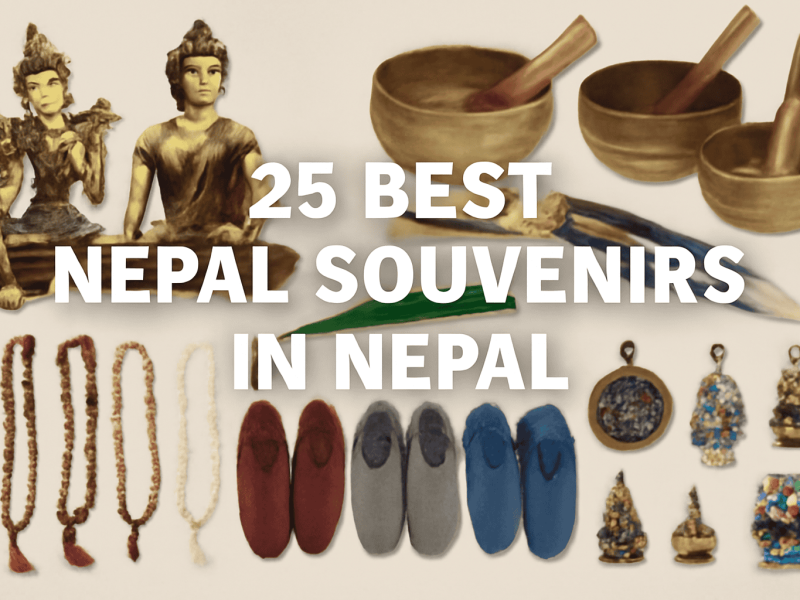
Nepal is a country full of rich traditions, diverse cultures, and unique craftsmanship. Its history, natural beauty, and vibrant traditions have shaped a culture that is both beautiful and full of stories. In Nepal, the art and handicrafts are not just items; they are a reflection of the people’s daily lives, beliefs, and the country’s deep connection to nature.
From intricate wood carvings to delicate jewelry, each piece of Nepalese handicraft is crafted with care and precision. These items are not only beautiful but also hold cultural significance. Whether it’s the colorful Thangka paintings, beautiful Pashmina shawls, or handmade pottery, they all tell a story of Nepal’s rich history and traditions.
Souvenirs in Nepal go beyond just being keepsakes. They are a perfect way to take a piece of Nepal’s heritage home with you. These unique souvenirs capture the essence of the country and make the perfect memento of your trip. Whether you’re visiting Kathmandu, Pokhara, or the serene hilltops, the handicrafts and artwork you bring back are reminders of the memories you made and the culture you experienced.
What is Pashmina Wool?
Pashmina is a type of wool that comes from a special breed of goat, found high up in the Himalayas of Nepal and northern India. This wool is known for being incredibly soft, light, and warm. It feels like silk on the skin, making it a popular choice for scarves, shawls, and other cozy clothing. Pashmina wool is so luxurious that it’s often referred to as “the fabric of kings and queens.”
The wool is hand-harvested from the undercoat of the goat during the harsh winter months. This wool is then spun and woven into beautiful fabrics, known for their softness and warmth. A high-quality pashmina shawl can keep you warm in the coldest of winters without feeling heavy. Its fine texture also makes it perfect for wearing in any season.
Why Pashmina Shawls are Special?
Pashmina shawls are not only soft but also very durable. They are excellent at keeping warmth in during the winter and also breathable enough to keep you comfortable during warmer weather. The fine craftsmanship of these shawls, combined with the natural properties of pashmina wool, makes each piece unique. Some high-quality pashmina shawls are handwoven and take several weeks to complete.
If you’re looking for something luxurious and timeless, a pashmina shawl is the perfect choice for both style and comfort. It’s also a popular gift choice due to its exquisite quality.
Where to Buy Pashmina Shawls in Nepal
If you’re visiting Nepal or planning to shop online, you’ll find pashmina shawls in several places, but some of the best options are in the following locations:
Tips for Buying Pashmina Shawls
Pashmina shawls are luxurious, soft, and perfect for any season. They are made from high-quality wool sourced from the Himalayas and are famous for their warmth and comfort. If you’re in Nepal, places like Thamel in Kathmandu and Pokhara are perfect spots to shop for these beautiful items. Always check for authenticity and look for unique, handmade pieces to get the best quality.
Mithila paintings, also known as Madhubani art, are a traditional form of Indian painting that originate from the Mithila region in Bihar, India. These paintings are famous for their vibrant colors, intricate designs, and rich cultural significance.
Madhubani art is known for its intricate patterns and vivid colors. The paintings typically depict nature, animals, deities, and mythological stories. The main characteristic of Madhubani art is its use of fine lines, geometric shapes, and natural elements like leaves, flowers, and animals. These paintings are created using natural dyes and brushes made from twigs or fingers, and the intricate designs are hand-drawn with amazing precision.
The cultural importance of Madhubani paintings goes beyond just being a form of art. It has been a part of celebrations like weddings and festivals. These paintings are often created on walls of homes as a way to bring prosperity and good fortune. They reflect the culture, traditions, and beliefs of the Mithila region, making them a symbol of heritage.
If you want to bring home a piece of this beautiful tradition, you can find Madhubani paintings in various locations, both online and in physical stores. In Bihar and Mithila, there are local artisans who specialize in creating these stunning pieces. Cities like Darbhanga, Madhubani, and Bihar Sharif are known for their vibrant art scenes. Local artisans often sell their paintings at fairs, markets, or through craft exhibitions.
You can also find these paintings at online marketplaces, craft stores, and art galleries across India and even internationally. If you are looking for authentic and handcrafted Madhubani paintings, try exploring Madhubani art galleries or visiting websites that support traditional art forms and artisans.
Introduction to Lokta Paper:
Lokta paper is a special kind of handmade paper that originates from Nepal. It is made from the bark of the Lokta plant, which grows in the high-altitude regions of the country. The unique thing about Lokta paper is that it is made by hand using traditional methods passed down through generations. Unlike regular paper, Lokta paper has a rich texture and is very durable.
Why Lokta Paper is Eco-Friendly:
Famous Handmade Paper Products:
Benefits of Using Lokta Paper:
In a world where sustainability matters more than ever, Lokta paper products are an excellent choice. Whether you’re buying journals, greeting cards, or stationery, choosing Lokta paper supports eco-friendly practices and promotes the use of natural resources. By opting for handmade paper products like these, you are making a conscious decision to reduce your environmental impact and support traditional crafts.
If you’re looking for eco-friendly handmade paper products, look no further than Lokta paper, which is not only great for the environment but also offers beautiful, unique products for your everyday needs.
What Are Wooden Masks?
Wooden masks are traditional items carved from wood and painted with vibrant colors. In Nepal, these masks are an important part of cultural and religious celebrations. They are often used in performances, dances, and rituals, symbolizing various gods, spirits, or animals.
Symbolism of Masks in Nepalese Culture
In Nepalese culture, particularly among the Newar community, wooden masks have a deep meaning. These masks are not just decorative items; they represent various deities, spirits, or symbolic creatures. For example, during festivals and dances, masks may represent gods like Ganesh, Buddha, or mythological figures from Nepalese legends.
Masks are also used in rituals to drive away evil spirits or to honor the ancestors. In Newar culture, wooden masks are an essential part of cultural dances like the Lakhe dance. The Lakhe mask, often depicting a terrifying demon, is worn to chase away bad spirits and bring good fortune to the community. These masks are not just for performance; they are believed to have spiritual power.
In other parts of Nepal, masks represent different aspects of life, including animals like tigers or mythical creatures. They help tell stories, teach lessons, and preserve ancient traditions.
Where to Buy Wooden Masks in Nepal
If you’re looking to buy wooden masks, here are some of the best places in Nepal:
Brass and copper items are a significant part of Nepali culture and craftsmanship. These items are often handcrafted with great skill and attention to detail, making them not just functional but also artistic. Some common examples of brass and copper products include incense holders, prayer wheels, and decorative plates. These items are deeply woven into the spiritual and cultural fabric of Nepal and are widely used in religious rituals, temples, and homes.
In Nepal, brass and copper are carefully shaped and molded by skilled artisans, creating beautiful products that showcase traditional techniques passed down through generations. The process of crafting these items involves intricate designs, often with religious symbols, patterns, and motifs that hold spiritual significance.
Brass holds a special place in Nepali art due to its versatility and durability. The metal is often used in creating religious items, statues, and decorative pieces. The yellowish-golden hue of brass represents warmth, light, and spirituality, which is why it’s frequently used in religious and ceremonial contexts in Nepal.
Tibetan Buddhist Statues and Figurines
Tibetan Buddhist statues and figurines are beautiful, meaningful, and represent different aspects of Tibetan culture and spirituality. These items are often used in meditation and prayer rituals to help with spiritual growth, peace, and mindfulness.
The craftsmanship behind Tibetan Buddhist statues is truly remarkable. Each statue is handmade with great care and attention to detail. They are usually made from metal, wood, clay, or stone. The most common Buddha statues are representations of Buddha in different postures, each symbolizing a unique aspect of Buddhist teachings.
If you’re looking for authentic Tibetan Buddhist statues and figurines, here are some great places to shop:
These places are trusted for selling authentic, hand-crafted items, ensuring that the products are made with care and respect for Tibetan culture and Buddhism.
Nepali jewelry is a beautiful part of the country’s culture, often representing the rich history, traditions, and craftsmanship of Nepal. This jewelry comes in many forms and styles, each holding deep cultural significance. If you’re curious about traditional Nepali jewelry, here’s everything you need to know:
Traditional Nepali jewelry is a mix of beauty, culture, and craftsmanship. Whether it’s delicate filigree work, bold metal designs, or colorful gemstone jewelry, these pieces carry significance that connects people to their heritage and beliefs. If you’re looking to buy a piece, you can visit local markets or explore online shops that specialize in Nepali jewelry.
Thangka paintings are beautiful, detailed artworks that are often found in Nepal, Tibet, and other parts of the Himalayan region. These traditional scroll paintings are not just decorative but also carry deep spiritual meaning. They are often used in Buddhist rituals and ceremonies.
Thangka paintings are usually created on fabric, using vibrant colors, and often depict religious themes like Buddha, deities, and important symbols in Buddhism. These paintings are carefully made by skilled artists, and they require a lot of patience and expertise.
The process of making a Thangka begins with a drawing, which is then filled with intricate designs. Artists use natural pigments, including gold, to create the bright and lasting colors. The paintings are often surrounded by beautiful borders, and many of them are mounted on cloth scrolls, making them easy to hang for display or ceremonies.
The spiritual significance of Thangkas is immense. They are not just art but also tools for meditation and teaching. Thangkas are used to guide spiritual practice, offering a visual representation of Buddhist teachings. For many, looking at a Thangka is a way to focus the mind, calm the thoughts, and connect with the divine. They are also used in prayer ceremonies, rituals, and as gifts for monks and spiritual leaders.
When choosing a Thangka, it is important to consider a few factors to ensure you are getting a high-quality piece:
Introduction to Beaded Necklaces and Bracelets
Beaded necklaces and bracelets are beautiful pieces of jewelry made by threading colorful beads onto strings or wires to create unique and artistic designs. These pieces are often handmade, adding a personal touch that makes each one special.
What Makes Beaded Necklaces and Bracelets Popular?
Handmade and colorful, beaded jewelry has been loved by people for centuries. It’s popular in local markets around the world because it’s affordable, fashionable, and meaningful. Beaded necklaces and bracelets are often seen as symbols of cultural traditions or personal style, making them not just accessories, but pieces of art.
Types of Beaded Jewelry
Why Choose Handmade Beaded Jewelry?
How to Style Beaded Necklaces and Bracelets
Where to Buy Beaded Necklaces and Bracelets
You can find these beautiful pieces in local markets, online stores, or handmade jewelry boutiques. When you buy handmade beaded jewelry, you’re not just getting an accessory, but a small piece of craftsmanship with a story behind it.
Beaded necklaces and bracelets are more than just accessories—they are wearable art. Whether you prefer a simple, single-strand necklace or a stack of colorful bracelets, beaded jewelry can elevate any outfit with its charm and uniqueness. Next time you’re looking for a piece that adds a special touch to your style, consider the beauty of handmade beaded jewelry.
Dhaka fabric is a traditional fabric that is widely loved for its rich history, vibrant patterns, and cultural significance. Made from cotton or silk, it has been a staple of Nepali culture for centuries. The fabric is well-known for its intricate weaving, which gives it a distinct checkered pattern that often comes in bright, contrasting colors.
Dhaka fabric is made through a meticulous process of weaving, where different colored threads are interlaced to create intricate patterns. The most popular design is the “Houndstooth” or checkered pattern, often seen in vibrant colors like red, black, yellow, and green. Each piece of Dhaka fabric is handwoven, which makes it unique and a symbol of craftsmanship.
Dhaka fabric holds a special place in Nepali culture, particularly in the Newar community. It is often worn during festivals, weddings, and other important cultural events. In fact, the fabric is so significant that it is considered a symbol of status and pride. Over time, it has also become a symbol of Nepali identity, representing the country’s traditional textile craftsmanship.
In today’s world, Dhaka fabric isn’t just for traditional attire. It has found its way into modern fashion, including shirts, jackets, and bags, blending heritage with contemporary style. The timeless patterns and bright colors of Dhaka fabric are perfect for adding a touch of uniqueness to any wardrobe.
The wool used in these sweaters is soft, warm, and naturally insulating, making it perfect for cold weather. In the Himalayan regions of Nepal, where temperatures can drop drastically, these woolen items are essential for survival. The local artisans use traditional methods to handcraft each sweater, often adding beautiful patterns and designs that reflect the natural beauty and cultural heritage of Nepal. Many of these woolen products are made in small villages, where the knitting techniques have been passed down through generations.
If you’re looking for authentic Nepali woolen sweaters, there are several places where you can find them. One of the best ways to get these cozy garments is to visit Nepal itself, where you can shop in local markets, especially in Kathmandu and Pokhara. In these cities, you’ll find stores selling hand-knitted woolen sweaters directly from local artisans. Many of the shops in tourist areas also sell handmade woolen products, and you can even visit the villages where they’re made to learn more about the craft.
Handwoven rugs and blankets are more than just beautiful home accessories – they carry centuries of tradition and craftsmanship. They are created using techniques passed down through generations, making each piece unique and full of history. These handmade treasures bring warmth and style to any space, making them a popular choice for home décor.
Handwoven rugs and blankets are typically made using time-honored techniques that require skill and patience. These techniques can vary depending on the region, but some common methods include:
Each of these techniques has a rich history and cultural significance, often reflecting the traditions, lifestyle, and natural surroundings of the people who create them. For example, Tibetan handwoven rugs often tell stories of mountain life, while Middle Eastern rugs showcase intricate floral and geometric patterns.
Handwoven rugs and blankets have long been cherished not only for their practical uses but also for their beauty. These items are versatile, making them perfect for a variety of décor styles, from rustic to modern. Here’s why they’re so popular for decorating homes:
Investing in handwoven rugs and blankets is not just about adding something beautiful to your home. These items carry a sense of heritage, offering a glimpse into the artistry of generations past. Whether you want to brighten up your living room or add a touch of history to your bedroom, these handwoven treasures are the perfect choice for home décor that blends style, tradition, and sustainability.
Prayer flags are colorful fabric flags that are traditionally used in Nepal and other Himalayan regions. They are usually found in temples, monasteries, and on mountain passes, fluttering in the wind. In Nepalese culture, prayer flags are much more than decorative items – they hold deep spiritual meaning.
Each color of the flag represents a different element:
Together, these colors form a harmonious balance of nature. It is believed that as the wind blows, it carries the prayers written on the flags to the heavens, spreading blessings and positive energy to the world.
Prayer flags are meant to be hung high in the air where the wind can blow them. When hanging your flags, it is important to remember:
The prayer flags are not meant to be kept indoors. It’s the wind that is believed to carry the blessings and messages across the world.
Incense in Nepali Spiritual Practices:
In Nepal, incense plays a significant role in spiritual rituals, religious ceremonies, and daily life. People light incense to purify their surroundings, invite positive energy, and connect with the divine. It is often burned during prayers, meditation, and cultural celebrations to create a peaceful and sacred environment. The aromatic smoke from incense is believed to calm the mind, elevate spiritual consciousness, and bring balance to one’s life.
The act of burning incense is seen as a form of offering to deities, and the fragrance is believed to carry prayers and intentions to the gods. Whether in Buddhist temples or Hindu homes, incense is used as a tool to cleanse the air and promote mindfulness.
Popular Types of Incense to Buy:
Choosing the Right Incense:
When purchasing incense, consider the type of fragrance that resonates with your spiritual or personal needs. Sandalwood is great for meditation, Tibetan incense is perfect for spiritual rituals, and lavender or jasmine is great for relaxation and mental clarity. You can find these incense types in local shops, online stores, and temples across Nepal.
Essential Oils in Spiritual Practices:
Essential oils are another essential element in Nepali spiritual rituals. They can be diffused in the air or applied during massage to promote relaxation, healing, and energy balance. Essential oils like lavender, frankincense, and sandalwood are often used in combination with incense to create a complete, aromatic spiritual experience.
What are Mala Beads?
Mala beads, also known as prayer beads, are a traditional tool used in meditation and prayer. They typically consist of 108 beads, though smaller versions with 27 or 54 beads also exist. These beads are used to count mantras or prayers during meditation, helping focus the mind and create a sense of peace and mindfulness.
The Role of Mala Beads in Meditation and Prayer
Mala beads play an essential role in both meditation and prayer. In meditation, they are used to help you focus on your breath or a mantra, ensuring that your mind stays centered. When you repeat a mantra while moving your fingers along the beads, it creates a rhythmic flow that aids in deep concentration and calms the mind.
In prayer, mala beads are used to count prayers or invocations, helping people stay mindful and present during their spiritual practice. The beads can be made from various materials, including wood, seeds, or gemstones, each having its unique energy and significance.
Where to Purchase Genuine Mala Beads
When it comes to buying genuine mala beads, it’s important to choose trusted sources to ensure authenticity and quality. The ideal places to purchase mala beads include:
Nepali tea, also known as Trekking Tea or Himalayan Tea, is celebrated for its distinct flavor, rich aroma, and numerous health benefits. This tea is grown in the fertile slopes of the Himalayas, where the cool climate and high altitudes create the perfect environment for cultivating premium tea leaves. Let’s dive into the different types of Nepali tea, their benefits, and where you can buy them.
Tibetan Butter Tea, also known as Po cha, is a traditional drink from Tibet. It’s not like regular tea because it’s made with tea leaves, yak butter, salt, and sometimes milk. The tea has a rich, creamy, and salty taste, and it’s commonly enjoyed in the cold Tibetan mountains to stay warm and energized.
This tea is made by mixing strong black tea with butter from a yak, a staple animal in Tibetan culture. The butter gives the tea a smooth, creamy texture and helps to keep people warm, which is essential for surviving in the freezing Tibetan environment.
The preparation of Tibetan Butter Tea is quite different from how most teas are made. First, strong black tea leaves are brewed, often using a special Tibetan tea pot. Then, the tea is poured into a large container and blended with yak butter, salt, and sometimes milk. It’s shaken or stirred well to create a thick, creamy consistency. The result is a warm, savory, and energizing drink that’s perfect for cold days.
Tibetan Butter Tea is more than just a warm drink; it’s packed with nutrients that are beneficial in high-altitude areas. The butter provides healthy fats that keep you energized throughout the day, and the salt helps to replenish electrolytes lost in the body. This drink is ideal for those looking to stay hydrated, maintain energy levels, and feel full.
When you visit Nepal, one of the most memorable things you can bring back is Nepali sweets (mithai). These traditional desserts are loved by locals and visitors alike, and they hold a special place in Nepalese culture. Whether you’re looking for something sweet to share with your family or want to surprise a friend with a unique gift, Nepali mithai is the perfect option.
Here are some of the most popular Nepali sweets (mithai) you should consider when you’re in Nepal:
If you’re looking to bring home a sweet gift for your loved ones or just want to enjoy a taste of Nepal, Nepali sweets are a great option. They are easy to pack, come in beautiful packaging, and carry the authentic flavors of Nepal. The unique spices, flavors, and textures of Nepali desserts make them stand out from other sweets worldwide.
Tibetan Prayer Wheels: A Simple Guide
What is a Tibetan Prayer Wheel?
A Tibetan prayer wheel is a sacred object used in Tibetan Buddhism. It’s a metal, wooden, or stone cylinder, often decorated with colorful designs and inscriptions. Inside the wheel, you’ll find rolled-up mantras (sacred prayers). When the wheel is spun, it’s believed that the mantras are recited, sending positive energy and blessings into the world. The spinning of the wheel is seen as a way to multiply the effect of the prayer and help spread peace, compassion, and wisdom.
Spiritual Significance of Tibetan Prayer Wheels
The spiritual meaning of the prayer wheel goes beyond just an object; it’s a tool for meditation. Spinning the prayer wheel is considered to be an act of mindful prayer that connects the practitioner to a higher spiritual power. By turning the wheel, the practitioner sends out blessings for health, happiness, and peace for themselves and others. The act is symbolic of the cycle of life and the flow of positive energy.
Tibetan Buddhists believe that the spiritual power in the wheel grows with each spin. In some places, large prayer wheels are placed in temples or on mountain paths, and pilgrims will walk around them, spinning the wheels as a form of devotional practice.
How to Choose an Authentic Tibetan Prayer Wheel
If you want to purchase an authentic Tibetan prayer wheel, there are a few things to keep in mind:
Introduction to Hand-carved Wooden Bowls and Plates
Hand-carved wooden bowls and plates are beautiful and unique items crafted by skilled artisans. In Nepal, these items are made using traditional carving techniques passed down through generations. These wooden creations are not only functional but also hold cultural significance.
The Traditional Hand-carving Techniques Used in Nepal
In Nepal, the art of carving wood has been practiced for centuries. Skilled artisans use simple tools like knives and chisels to carefully carve the designs into wood. The process involves shaping the wood into bowls, plates, and other items, often featuring intricate patterns and symbols. These designs are not just decorative but carry deep cultural meanings. Many of these items are made from local wood, which is chosen for its durability and beauty.
The hand-carving process requires great patience and skill. It starts by selecting the right type of wood, followed by smoothing and shaping the piece. The artisan then carefully carves patterns, often depicting elements of nature, animals, or traditional motifs. The final step is polishing the wood, which highlights the natural grain and makes the item shine.
Where to Find Hand-carved Wooden Bowls and Plates in Nepal
If you’re looking for hand-carved wooden bowls and plates in Nepal, there are many places where you can find these beautiful items:
Uses of Hand-carved Wooden Bowls and Plates in Everyday Life
Hand-carved wooden bowls and plates are used in various ways in daily life, especially in Nepalese homes. They are perfect for serving traditional dishes, such as dal, rice, and vegetables. Their unique designs also make them popular as decorative pieces in homes or offices.
Why Choose Hand-carved Wooden Bowls and Plates
Choosing hand-carved wooden bowls and plates is a great way to support traditional crafts and bring unique, eco-friendly items into your home. They offer a natural, rustic look and can be used for both everyday meals and special occasions. Plus, they make wonderful conversation starters with their intricate designs and cultural history.
Nepali hats, also known as topis, are an important part of the culture and tradition in Nepal. These hats are worn by men, especially during special occasions, festivals, and important events. Among the most popular Nepali hats is the Dhaka Topi, made from a unique fabric called Dhaka, which is woven with patterns that represent the rich heritage of Nepal. The Dhaka topi is a symbol of national pride and tradition and is often worn by locals in the mountains, as well as urban areas.
In Nepali culture, hats like the Dhaka topi are worn with respect and pride. These hats are seen as symbols of dignity and respectability, especially during festivals like Dashain and Tihar. In fact, many Nepali people wear a topi when attending religious ceremonies or family gatherings. It is a mark of honor and tradition. For Nepali men, wearing a topi is considered a part of their cultural identity, showing connection to their roots.
Wearing a Nepali topi is easy but should be done with care to respect tradition. Here’s how you can wear it:
Nepal is home to a rich tradition of handcrafted musical instruments. These instruments are not only used in traditional ceremonies and celebrations but are also highly prized by collectors and music enthusiasts around the world. Let’s take a closer look at some of the most popular Nepalese handcrafted musical instruments: the Damphu, Madal, and Flute.
The Damphu is a traditional Nepali drum, widely used in festivals, celebrations, and rituals. Made of wood and animal skin, this drum produces a unique, resonating sound that is vital in many Nepali folk songs. It’s especially popular in the hilly regions of Nepal, where it is played during dances and other cultural activities.
The Madal is another essential instrument in Nepali music. This hand drum is smaller than the Damphu and typically made of wood and leather. It’s played by striking both sides of the drum, producing a rhythmic sound that’s at the core of Nepali folk music.
The Nepali flute, known as the Bansuri, is made from bamboo and is a favorite for many musicians. With its sweet and soothing sound, it’s commonly used in classical and folk Nepali music. It’s a very versatile instrument, suitable for solo performances or playing in a group.
Why Choose Nepalese Handcrafted Instruments?
Nepalese handcrafted musical instruments like the Damphu, Madal, and Flute are more than just instruments—they are pieces of culture and history. Whether you’re a musician, a collector, or someone who appreciates beautiful craftsmanship, these instruments offer a connection to Nepali tradition.
Lokta paper, made from the bark of the Lokta tree, is a traditional, sustainable material used in crafting various eco-friendly products. One of the most popular products made from this material is handmade bags. These bags not only carry a unique, artistic appeal but also help reduce environmental impact. Here’s everything you need to know about Lokta paper handmade bags and how they are a great choice for eco-conscious travelers.
Lokta paper is a type of handmade paper made from the bark of the Lokta tree, native to Nepal. The paper is naturally resistant to pests, durable, and often used for creating various handcrafted items. It’s a sustainable alternative to plastic and other synthetic materials that harm the environment.
Eco-friendly bags made from Lokta paper are an excellent choice for travelers who want to minimize their carbon footprint. These bags are biodegradable, recyclable, and made without harmful chemicals, making them a great eco-conscious option for daily use or travel.
Lokta paper bags come in a variety of sizes, making them versatile for different needs. Here are some common types and their uses:
As we come to the end of our journey through Nepal’s souvenirs, it’s clear how unique and special these items truly are. From handwoven textiles and intricately carved wooden artifacts to vibrant jewelry and traditional paintings, the variety of souvenirs available reflects Nepal’s rich cultural heritage. Each item tells a story, deeply rooted in the country’s history, beliefs, and traditions. When you take home these souvenirs, you’re not just buying a product; you’re carrying a piece of Nepal’s heart and soul with you.
When you’re in Nepal, make sure to explore the local markets, where artisans pour their love and skills into creating these beautiful crafts. Places like Kathmandu’s Thamel or Pokhara’s Lakeside are buzzing with shops offering a wide range of souvenirs that are perfect for gifting or remembering your trip. Don’t rush – take the time to interact with the artisans, learn about their craft, and understand the deeper meaning behind each piece you pick.
By taking a Nepali souvenir home, you’re not only supporting local craftsmen but also bringing back a lasting memory of your Nepal adventure. Whether it’s a colorful Tibetan prayer flag, a handmade wooden mask, or a set of delicate silver earrings, these treasures will serve as beautiful reminders of the culture, people, and the experiences you had while visiting Nepal.
Call/WhatsApp: +977-9851218358 | +977-9841937489
Email: info@natureheaventrek.com | natureheaventrek@gmail.com
Address: Pakjonal Marga-16, Thamel, Kathmandu, Nepal
Website: https://natureheaventrek.com/