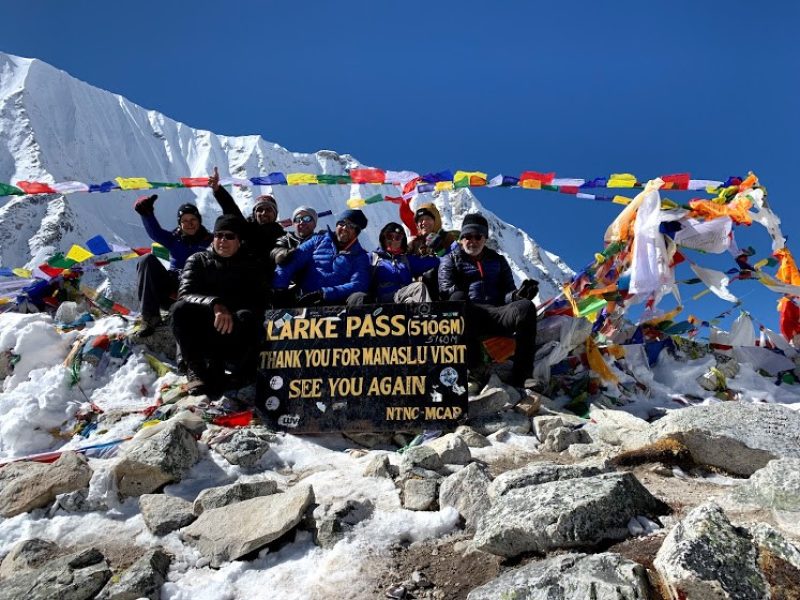
If you travel through the mountains of Nepal, you will often see rows of colorful flags fluttering in the wind. These are called prayer flags, and they are one of the most beautiful and spiritual sights in the Himalayas. Whether you are trekking to Everest Base Camp, visiting Annapurna, or exploring small mountain villages, you’ll find these flags hanging on bridges, monasteries, and High Mountain passes. The soft sound of the flags moving in the breeze adds a peaceful feeling to the Himalayan air.
Each prayer flag in Nepal has its own meaning and purpose. The colors—blue, white, red, green, and yellow—represent the five elements of nature: sky, air, fire, water, and earth. Together, they bring balance and harmony to the environment. Locals believe that when the wind touches the flags, it carries the prayers and good wishes written on them across the world, spreading peace, love, and compassion to all living beings.
These colorful flags of the Himalayas are not just decorations; they are powerful symbols of spiritual energy and positivity. You’ll often see them near stupas, temples, and mountain trails where travelers stop to rest or meditate. They remind everyone—locals and trekkers alike—to stay kind, patient, and thankful for the beauty of nature and the strength of the human spirit.
Nature Heaven Treks and Expedition, we love helping travelers discover the deeper meaning behind these spiritual flags of Nepal. As you trek through the majestic Himalayan trails, you’ll not only enjoy the amazing views but also feel the calm and peaceful energy that these prayer flags bring. They are a beautiful reminder that the mountains of Nepal are not just places to explore, but also to connect with nature and the spiritual heart of the Himalayas.
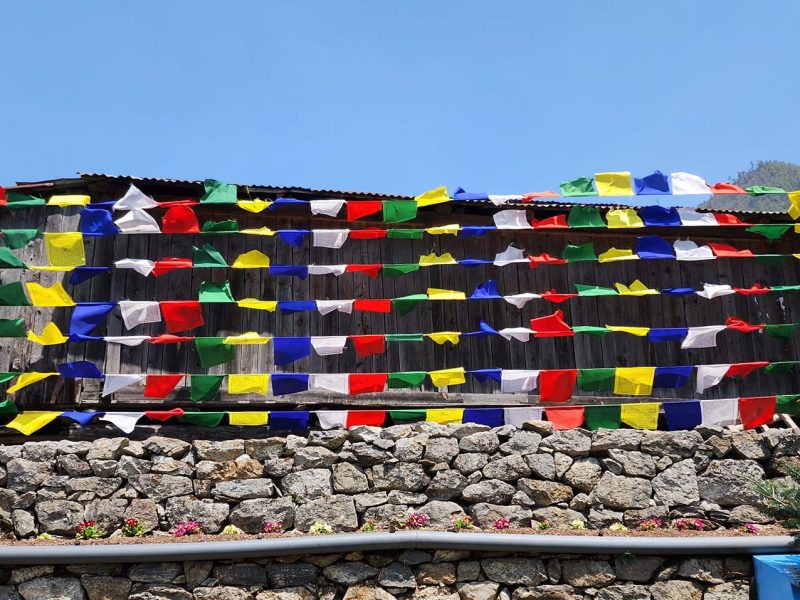
The origin of prayer flags dates back thousands of years to ancient Tibet and the Bon religion, long before Buddhism arrived. In those early days, people used colorful cloth flags to honor nature and the powerful spirits of the mountains, rivers, and sky. When Buddhism spread into Tibet, this local tradition became part of Buddhist culture. The flags began to carry sacred mantras and symbols of peace, compassion, and wisdom, representing prayers for all living beings. This marked the beginning of what we now know as the Buddhist prayer flags history.
Over the centuries, Buddhist prayer flags spread widely across the Himalayan region, including Tibet, Nepal, and Bhutan. Monks, travelers, and local villagers started hanging them on high mountain passes, monasteries, and stupas. They believed that when the wind blew, it carried the prayers written on the flags to every corner of the world, spreading peace and blessings. As the Tibet Nepal prayer flag tradition grew stronger, Nepal became one of the most spiritual homes for these flags — especially in famous places like the Everest region, Langtang Valley, and Kathmandu Valley.
The prayer flags Nepal are not just beautiful decorations; they hold deep meaning. Each color has a connection to one of the five natural elements — blue for sky, white for air, red for fire, green for water, and yellow for earth. Together, they represent balance and harmony in nature. When the wind passes through these flags, it is believed to carry positive energy, peace, and good fortune to everyone around. This is why Himalayan prayer flags are seen as a powerful symbol of kindness, unity, and environmental respect.
Even today, the meaning of prayer flags continues to inspire people around the world. Visitors who come to Nepal often take them home as symbols of peace and spiritual connection. Whether you see them fluttering high near Mount Everest, around Boudhanath Stupa, or along trekking trails with Nature Heaven Treks and Expedition, these colorful Buddhist prayer flags remind us to live with love, share compassion, and stay in harmony with nature — just as the Himalayas have done for thousands of years.
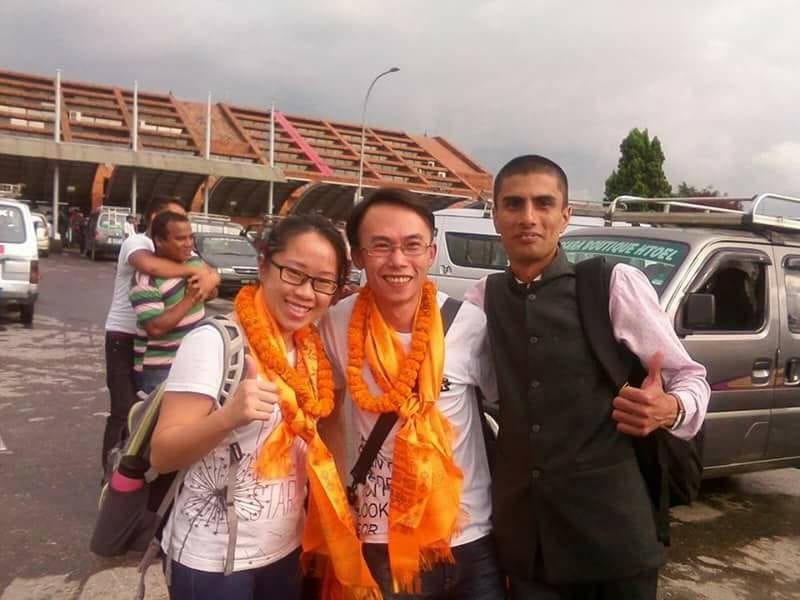
Prayer flags are one of the most peaceful and spiritual symbols found across Nepal, especially along mountain trails and monasteries. These colorful flags are not just decorations — they hold deep spiritual meaning. Each flag carries prayers, mantras, and blessings that are believed to spread to all beings as the wind blows. The main spiritual meaning of prayer flags is to bring peace, compassion, strength, and wisdom to everyone — not only to the person who hangs them. In Nepal, these flags flutter beautifully in the Himalayan breeze, spreading positive energy and good wishes across the world.
Each color on the prayer flags in Nepal has a special Buddhist symbolism connected to nature and life. The five colors represent the five natural elements — blue for the sky, white for air, red for fire, green for water, and yellow for earth. Together, they symbolize balance, harmony, and the unity of all things in the universe. It is believed that when the wind passes through these flags, the prayers printed on them travel through the air — spreading peace and compassion to every corner of the world. Many travelers on Nepal trekking routes, like Everest Base Camp and Annapurna Circuit, find these flags spiritually calming and inspiring.
The deeper meaning of prayer flags in Nepal is the idea of giving rather than asking. Buddhists believe that when the wind touches the flags, it carries their blessings to all living beings — humans, animals, and even unseen spirits. Instead of seeking personal gain, prayer flags represent the act of sharing love, kindness, and harmony. Hanging these flags is a way to send good wishes to others, letting your positive thoughts travel with the natural flow of the wind. It’s a simple yet powerful symbol of generosity and spiritual connection.
In Nepalese culture, prayer flags also represent peace between humans and nature. Whether you see them around monasteries, mountain passes, or trekking trails, these flags remind everyone of compassion, mindfulness, and the beauty of giving. When travelers journey with Nature Heaven Treks and Expedition, they often see these colorful flags dancing in the mountain air — inspiring deep spiritual reflection. The prayer flags of Nepal are more than just fabric; they are a living expression of faith, blessings for all beings, and a gentle reminder to live with kindness and balance in the heart of the Himalayas.
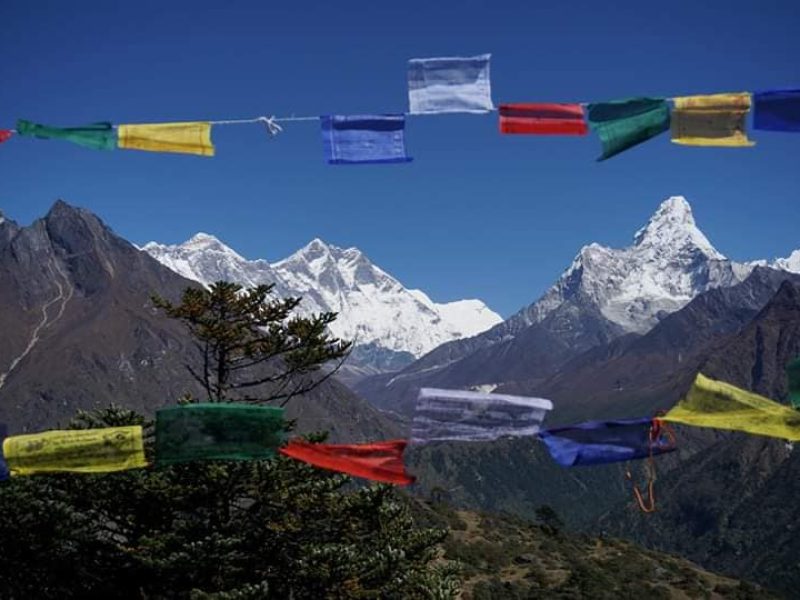
When you look at prayer flags in Nepal, you will notice they come in five beautiful colors — blue, white, red, green, and yellow. These colors are not just for decoration; each one has a deep spiritual meaning and is connected to nature and the elements. Together, they show the balance between the five elements of life — sky, air, fire, water, and earth. This balance is believed to bring peace, harmony, and positive energy to everyone and everything around.
Blue represents the sky and space, which stand for vastness and openness. It reminds us to keep our minds and hearts open like the wide blue sky. White stands for air and wind, symbolizing purity, peace, and healing energy. When the wind blows through the white prayer flag, it is said to carry pure prayers and blessings across the world. These flags spread the message of calmness and clarity, just like the gentle mountain breeze in Nepal.
Red symbolizes fire, which represents energy, passion, and transformation. It inspires warmth, courage, and strength within us. Green stands for water, symbolizing growth, balance, and harmony. Water gives life to all living beings, and green prayer flags remind us to stay kind, adaptable, and full of compassion. Both red and green flags show how energy and compassion must exist together to create a peaceful world.
Finally, yellow represents the earth, which stands for stability, patience, and wisdom. It reminds us to stay grounded and humble, no matter how high we reach. When all five colors — blue, white, red, green, and yellow — are hung together, they symbolize perfect harmony in nature and life. The meaning of these five prayer flag colors in Nepal teaches us that every element is connected. This beautiful Buddhist color symbolism shows how peace, balance, and good energy spread through the world with every flutter of the prayer flags in Nepal.
Prayer flags in Nepal are filled with sacred symbols and mantras that hold deep spiritual meanings. The most common symbol is the Wind Horse (Lung-ta), which represents strength, good fortune, and positive energy. It carries prayers and blessings through the wind to spread peace, harmony, and luck to all beings. The Wind Horse is often shown in the center of the flag, surrounded by four powerful animals — the Garuda, Dragon, Tiger, and Snow Lion, each symbolizing wisdom, strength, and protection. These beautiful designs make prayer flags not only spiritual but also deeply cultural treasures of Nepal.
One of the most famous mantras printed on the flags is “Om Mani Padme Hum”, a sacred Buddhist mantra that means “Hail to the Jewel in the Lotus.” This mantra is believed to bring compassion, peace, and enlightenment. When the wind blows across these flags, it is said that the mantra’s energy spreads in all directions, blessing everyone it touches. For many people visiting Nepal, understanding the Om Mani Padme Hum meaning helps them connect more deeply with the spiritual side of the Himalayas.
The symbols and mantras on prayer flags are not just decorations; they are living prayers carried by the wind. Each color and word has a purpose — blue for the sky, white for air, red for fire, green for water, and yellow for earth. Together, they represent balance in nature and life. As the flags flutter, they send prayers for protection, good luck, and spiritual awakening to all living beings. This is why travelers often hang these flags during treks or tours in Nepal — to receive blessings and share positive energy.
For anyone exploring the prayer flag symbols in Nepal, these flags are a reminder of peace, mindfulness, and the power of faith. They reflect Nepal’s deep connection to Buddhist culture and spirituality. At Nature Heaven Treks and Expedition, we encourage travelers to learn about these sacred meanings while visiting monasteries or high mountain passes covered in colorful prayer flags. Experiencing the Wind Horse prayer flag fluttering against the Himalayas is not just a sight — it’s a feeling of calm, blessing, and harmony that stays with you forever.
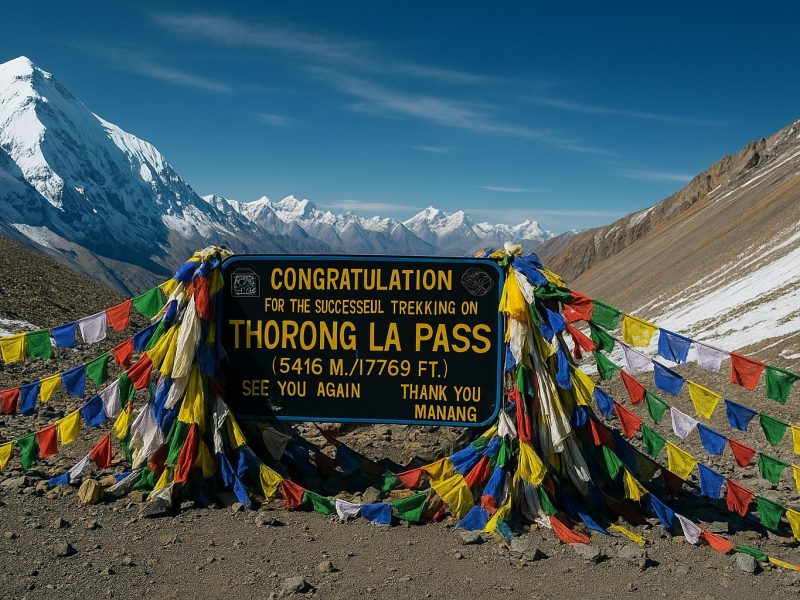
In Nepal, people believe that prayer flags have the power to spread peace and positive energy through the wind. When the wind blows over the flags, it carries the prayers and mantras written on them into the air. These prayers are believed to travel far and wide, touching every corner of the world. The wind prayer flags are like messengers of goodwill — spreading love, kindness, and harmony to all beings, both near and far. This is why you’ll often see colorful flags fluttering in the mountains, temples, and villages of Nepal.
The most beautiful part of this belief is that the blessings are not meant for just one person. When you hang prayer flags, you are not asking for personal gain or luck. Instead, you are sharing spiritual energy and good wishes with everyone — humans, animals, and all living things. The spreading blessings prayer flags remind us that happiness grows when we wish well for others. In the pure mountain air of Nepal, these flags connect people through compassion and hope.
This tradition also teaches mindfulness. When the wind moves the flags, it reminds us to be aware of our thoughts and actions. Just like the wind spreads prayers, our words and deeds also spread energy into the world. If we stay kind and positive, we too can send good energy everywhere. In this way, prayer flags in Nepal are not just decorations — they are daily reminders to live with peace, awareness, and respect for all beings.
For travelers visiting Nepal with Nature Heaven Treks and Expedition, seeing these colorful flags fluttering in the Himalayan breeze is a truly spiritual experience. As you walk through trails covered with wind prayer flags, you’ll feel the deep meaning behind them — the message of unity, compassion, and shared blessings. Whether you are trekking in Everest, Annapurna, or any part of Nepal, these flags fill the journey with peace and spiritual energy.
In Nepal, there are mainly two types of prayer flags – Lung-ta (horizontal) and Darchor (vertical). Both types carry deep spiritual meaning and are an important part of Nepali and Tibetan Buddhist culture. You can see these colorful flags almost everywhere — from the mountains of Everest region to the peaceful temples of Kathmandu. These flags are believed to spread prayers, peace, and good luck with the wind, bringing blessings to everyone around. Many travelers visiting with Nature Heaven Treks and Expedition love to see and photograph these beautiful prayer flags fluttering in the mountain breeze.
The Lung-ta prayer flags are the most common type in Nepal. The word Lung-ta means “Wind Horse.” These are horizontal prayer flags that are usually tied between trees, bridges, stupas, or rooftops. Each flag has sacred mantras, symbols, and images printed on it. When the wind blows, it carries these prayers across the land, spreading peace, compassion, and good fortune. Trekking routes like Everest Base Camp and Annapurna Circuit are filled with colorful Lung-ta flags, creating a truly spiritual atmosphere that touches every traveler’s heart.
The Darchor prayer flags are vertical flags placed on tall wooden or bamboo poles. You’ll often see them near monasteries, stupas, and high mountain passes. The word Darchor means “to increase life, fortune, health, and wealth.” These flags stand tall, symbolizing strength and stability. While Lung-ta flags are meant to move freely with the wind, Darchor flags rise toward the sky, sending prayers directly upward. During treks and tours organized by Nature Heaven Treks and Expedition, visitors often spot these flags near sacred places and learn how locals raise them for good luck and protection.
The main difference between Lung-ta and Darchor prayer flags lies in their design, use, and purpose. Lung-ta flags are hung horizontally and are believed to carry prayers with the wind, while Darchor flags are vertical and send blessings skyward. Together, they represent harmony between earth and sky, wind and spirit. Seeing both types of prayer flags in Nepal helps travelers understand the country’s rich spiritual traditions. Whether you’re trekking in the Himalayas or visiting ancient temples, these flags remind everyone of peace, unity, and the deep connection between nature and spirituality.
Where to See Prayer Flags in Nepal
If you are wondering where to see prayer flags in Nepal, the answer is almost everywhere! Nepal is famous for its colorful prayer flags that fly on hills, temples, monasteries, and mountain trails. These flags are not only beautiful but also full of spiritual meaning. They are believed to bring peace, happiness, and good luck to everyone around. Travelers can see prayer flags in cities, towns, and even high up in the mountains.
One of the best places to see prayer flags Boudhanath is in Kathmandu. Boudhanath Stupa is one of the largest Buddhist stupas in the world, and it is surrounded by hundreds of prayer flags. The flags are tied on rooftops, poles, and walls of nearby monasteries. Walking around Boudhanath, you will see the colorful flags fluttering in the wind, carrying prayers for peace and harmony. This is a must-visit spot for anyone curious about the spiritual life of Nepal.
Another popular place is Swayambhunath, also called the Monkey Temple, in Kathmandu. Here, prayer flags are tied along the stairways, rooftops, and main stupa. Visitors can enjoy the view of the city below while watching the flags move in the breeze. Both locals and tourists stop here to offer prayers and feel the spiritual energy. For travelers looking for a unique experience, seeing prayer flags at Swayambhunath is unforgettable.
You can also see prayer flags on the Everest region and other Himalayan trails like the Annapurna Circuit. Along trekking routes, flags are tied on mountain passes, ridges, and villages. Trekking through these trails gives you a chance to see how prayer flags are part of daily life in Nepal’s mountains. Whether it is prayer flags Everest region or near Pokhara’s lakes and hills, the colorful flags are everywhere, adding a magical touch to Nepal’s natural beauty.
When to Hang Prayer Flags
Prayer flags are usually hung on special and auspicious days in Nepal. People often raise them during Buddhist festivals like Losar, the Tibetan New Year, or Buddha Jayanti, which celebrates the birth of Lord Buddha. These are considered very lucky days to hang prayer flags because the blessings are believed to spread more strongly. Knowing when to hang prayer flags is important for bringing positive energy, peace, and harmony into homes, villages, and sacred places.
Rituals Before Raising Prayer Flags
Before raising prayer flags, many people perform simple rituals or prayers. These rituals can include chanting mantras, lighting incense, or making offerings to the deities. The main purpose is to prepare the mind and heart with pure intentions. In Nepal, following prayer flag rituals is a way to honor tradition and show respect for the sacred symbols on the flags. This ensures that the prayers written on the flags carry the right energy when the wind blows.
Importance of Respect and Good Intention
Respect and good intention are very important when hanging prayer flags. The flags should never touch the ground or be treated carelessly. People believe that if you hang them with pure heart and positive thoughts, the prayers will bring happiness, peace, and health to everyone nearby. These simple acts of respect connect people with the spiritual meaning of prayer flags and the natural forces around them.
Spreading Blessings During Buddhist Festivals
During festivals like Losar and Buddha Jayanti, hanging prayer flags is not just a tradition—it is a way to share blessings with everyone. The colorful flags fluttering in the wind are said to spread peace, compassion, and wisdom. By following proper Buddhist festival traditions and knowing when to hang prayer flags, families and communities create a spiritual atmosphere that brings joy and harmony. Prayer flags are more than decoration—they are a living part of Nepalese culture and spirituality.
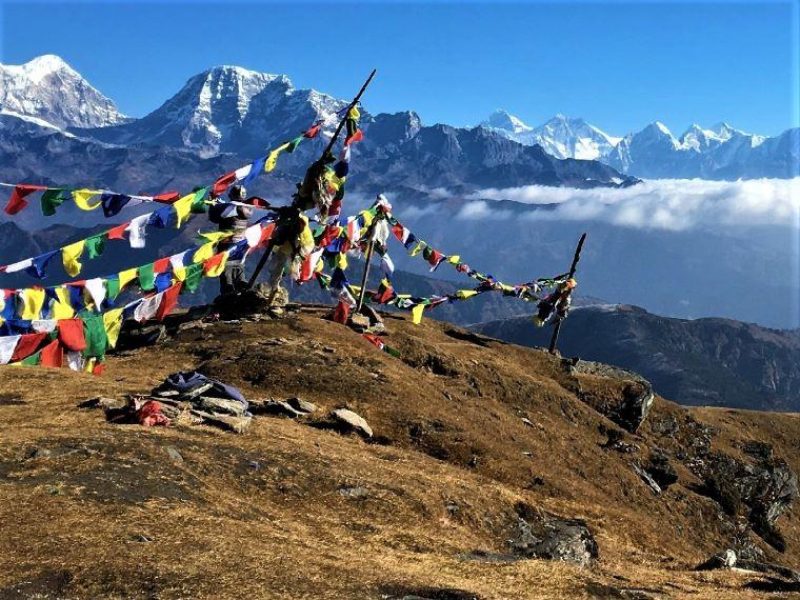
Prayer flags are very special in Nepal. They are not just decorations; they carry prayers, blessings, and positive energy. Because of this, old prayer flags should never be thrown away carelessly. Throwing them in the trash or leaving them on the ground is considered disrespectful. Travelers and locals alike are encouraged to treat these sacred flags with care, showing respect for Nepal’s spiritual traditions. By understanding prayer flag respect Nepal, everyone can honor the meaning behind these colorful flags.
When old prayer flags are worn out or faded, they should be replaced in a careful and respectful way. Many people in Nepal burn old flags in a small, safe fire as part of a traditional ritual. This helps the prayers and blessings continue to spread in the wind even after the flags are gone. Replacing old flags with new ones is a simple way to maintain the spiritual energy around homes, temples, or mountain trails. Learning the proper way of replacing old prayer flags ensures that both culture and environment are respected.
It is also important to think about the environment when using prayer flags. Many modern flags are made from synthetic materials that do not decompose easily. Choosing eco-friendly prayer flags made from natural fabrics like cotton or hemp reduces pollution and helps protect Nepal’s beautiful nature. Travelers and locals can support sustainable practices by buying flags made from safe, natural materials. This small action can make a big difference in preserving both culture and the environment.
Supporting local artisans is another way to show respect. Nepal has many skilled craftsmen who make prayer flags by hand, using traditional methods. Buying these handmade flags helps the local economy and keeps traditional crafts alive. By choosing flags from local artisans and using eco-friendly prayer flags, you honor the culture of Nepal while also promoting sustainability. Showing prayer flag respect Nepal is not only about following spiritual customs—it is also about protecting the environment and supporting communities.
A Symbol of Peace, Harmony, and Hope
Prayer flags are much more than colorful pieces of cloth. They carry a deep meaning in Nepal and are a symbol of peace, harmony, and hope. Each flag is filled with prayers and blessings that are believed to spread positive energy to everyone around. When the wind blows, it carries these prayers into the world, bringing calm, happiness, and good fortune to all. Understanding the prayer flags significance helps travelers appreciate the spiritual culture and wisdom of Nepal.
These beautiful flags also teach us important human values. They remind us to practice love, compassion, and unity in our daily lives. By seeing prayer flags fluttering in the mountains, valleys, and monasteries, visitors can feel a connection to the spiritual heart of Nepal. This connection makes every journey more meaningful and peaceful. Experiencing this is a unique part of a true spiritual Nepal experience.
Travelers visiting Nepal with Nature Heaven Treks and Expedition can witness the spiritual beauty of prayer flags up close. From high Himalayan trails to quiet village temples, our treks provide many opportunities to see these sacred flags and understand their importance. Every step of the journey offers moments of reflection and inspiration. Our guides explain the cultural and spiritual stories behind the flags, making the experience even richer.
Visiting Nepal and seeing prayer flags is not just sightseeing—it is a journey for the heart and soul. These flags symbolize hope, unity, and peace, values that everyone can carry home. Join Nature Heaven Treks and Expedition to explore Nepal’s spiritual side and experience the uplifting presence of prayer flags in their natural setting. It is a journey you will remember forever, filled with harmony, love, and deep spiritual connection.
Call/WhatsApp: +977-9851218358 | +977-9841937489
Email: info@natureheaventrek.com | natureheaventrek@gmail.com
Address: Pakjonal Marga-16, Thamel, Kathmandu, Nepal
Website: https://natureheaventrek.com/