Mera Peak Trekking (6,476m) – Nature Heaven Treks and Expedition
Mera Peak (6,476m) rises high above sea level in the Mahalangur section of the eastern Himalayas, south of Mount Everest. Classified as a trekking peak, Mera Peak is widely recognized as the highest trekking peak in Nepal and one of the most popular destinations for high-altitude adventure enthusiasts. Nature Heaven Treks and Expedition offers expertly guided Mera Peak trekking experiences designed for safety, success, and unforgettable Himalayan views.
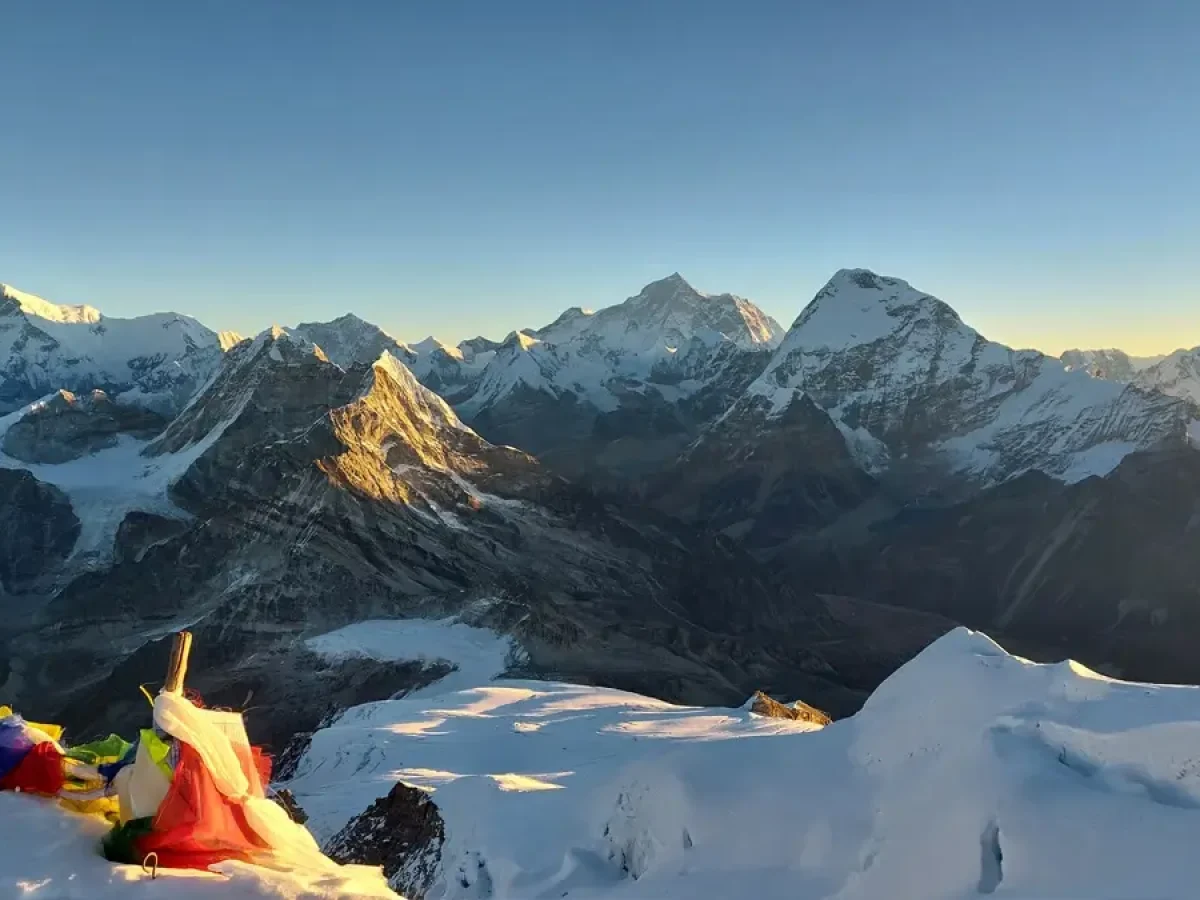
The summit of Mera Peak rewards climbers with breathtaking panoramic views of the world’s highest mountains, including Mount Everest (8,848.86m), Makalu, Lhotse, Cho Oyu, Kanchenjunga, and numerous other snow-capped Himalayan peaks. Due to stable weather and clear mountain views, spring (March–May) and autumn (September–November) are considered the best seasons for Mera Peak trekking and climbing.
Mera Peak was first successfully ascended on 20 May 1953 by J.O.M. Roberts, one of the greatest Himalayan explorers, along with Sen Tenzing, following the standard climbing route. Today, several routes lead to the summit. While all routes require basic technical mountaineering skills, the north route is the most suitable for trekkers with limited climbing experience. In contrast, the western and southern face routes are more technical and recommended only for experienced climbers.
The most common and scenic approach to Mera Peak is via the Zatrwa La Pass (4,610m). This classic trekking route passes through remote and ancient Sherpa villages, allowing trekkers to experience authentic Himalayan culture, traditional lifestyles, and rich local heritage. Although this route is comparatively longer, it provides better acclimatization and a deeper familiarity with the terrain.
Mera Peak Trekking with Nature Heaven Treks and Expedition is an ideal choice for trekkers with moderate mountaineering experience who are seeking a true high-altitude adventure. Despite being categorized as a trekking peak, its elevation presents a significant challenge. Trekkers must cross high passes and icy glaciers, but with basic technical skills—such as the use of crampons, ice axes, and fixed ropes—these obstacles can be safely managed.
Reaching the summit of Mera Peak offers trekkers a real mountaineering experience, combining adventure trekking, glacier walking, and Himalayan peak climbing. With professional guides, proper acclimatization, and personalized service, Nature Heaven Treks and Expedition ensures a memorable, safe, and rewarding journey to the top of Nepal’s highest trekking peak.
Climbing Mera Peak (6,476 m) is one of the most popular adventures in Nepal, but many people ask, “How difficult is Mera Peak?” Mera is the highest trekking peak in Nepal, yet it is considered a non-technical climb. This means you don’t need advanced mountaineering skills. The main challenge is the high altitude, long walking days, and cold weather. Trekkers need to be in good physical shape with strong stamina. With proper acclimatization, the climb is achievable for beginners who have some trekking experience.
Mera Peak climbing involves walking for several days through forests, villages, glaciers, and finally using basic climbing equipment like crampons, ropes, and ice axes on summit day. The climb is not extremely technical, but it requires mental strength, steady pace, and good fitness. The hardest part is walking at very high altitude where the air is thin. With the guidance of Nature Heaven Treks and Expedition, you will be trained in using equipment and supported by expert Sherpa guides, making the journey much safer and more enjoyable.
Nature Heaven Treks and Expedition, we provide a well-planned Mera Peak climbing itinerary with enough rest days for acclimatization, high-quality climbing gear, and professional guides. We focus on your safety and comfort at every step. For climbers who dream of standing on a Himalayan peak, Mera Peak is the perfect introduction to mountaineering. By booking with us, you can trust that you will have the best support, clear navigation, and the confidence to reach the summit of Mera Peak successfully.
Mera Peak Climbing is one of the best choices for adventure lovers who dream of standing on a Himalayan summit. At 6,476 meters, Mera Peak is the highest trekking peak in Nepal, making it a perfect challenge for beginners and experienced climbers. From the summit, you can see five of the world’s tallest mountains – Everest, Lhotse, Cho Oyu, Makalu, and Kanchenjunga. This makes Mera Peak a once-in-a-lifetime climbing experience for those who want adventure and breathtaking views in the Everest region of Nepal.
Climbing Mera Peak is a real adventure, but it does not require advanced mountaineering skills. With basic training and the right preparation, anyone with good fitness can reach the summit. The climb includes walking through beautiful forests, remote valleys, and high passes before reaching the glacier. At Nature Heaven Treks and Expedition, our expert climbing guides provide all the necessary training, safety equipment, and support, so you can focus on enjoying the climb and achieving your Himalayan dream.
When you book Mera Peak Climbing in Nepal with us, you get more than just a climbing trip. You get professional guidance, flexible itineraries, and full support from our team. We arrange everything – permits, flights, gear, food, and logistics – so you can enjoy a stress-free adventure. With our local Sherpa guides and strong safety record, Nature Heaven Treks and Expedition ensures your climb is not only successful but also safe, comfortable, and memorable.




Welcome to Nepal!
Upon your arrival at the airport, our friendly team will be there to greet you with a warm smile. Look out for a staff member holding a nameplate with your name at the terminal gate for easy identification. From there, you’ll be comfortably escorted to your hotel.
This marks the beginning of your unforgettable Nepal journey. Once you’ve settled in, feel free to unpack, relax, or explore the vibrant surroundings of your hotel at your own pace.
In the evening, join us for a delightful welcome dinner at a traditional local restaurant. It’s the perfect opportunity to meet your fellow travelers and our team, share stories, and get a taste of Nepalese hospitality.
After dinner, you’re invited to experience the lively energy of Thamel — Kathmandu’s buzzing hub of shops, cafes, and nightlife. Soak in the atmosphere before returning to your hotel for a restful night’s sleep, ready to begin your adventure.
Despite recent earthquakes damaging many architectural gems, Kathmandu Valley’s cultural heritage sites remain enriching. Enjoy a daily tour of 5 UNESCO World Heritage sites: Swayambhunath, also referred to as the “monkey temple”; the historical Durbar Square in Kathmandu, featuring ancient temples and also the chance to work out the living goddess, Kumari; Patan’s Durbar Square; the Hindu temple Pashupatinath; and Bouddhanath, the biggest stupa within the world. A car and driver will escort you to every location, waiting while you explore (note: entry tickets and lunch aren’t included).
After an early morning breakfast, we take a scenic flight from Kathmandu to Lukla (2,730 m), the gateway to the Everest and Mera Peak regions. The 30–35 minute flight offers breathtaking views of the Himalayan range, including glimpses of Everest, Lhotse, and other towering peaks. Upon landing at the Lukla airstrip, we meet our local support crew and begin our trek toward Chutanga, a small settlement nestled within the forested hills below the Zatrawala Pass.
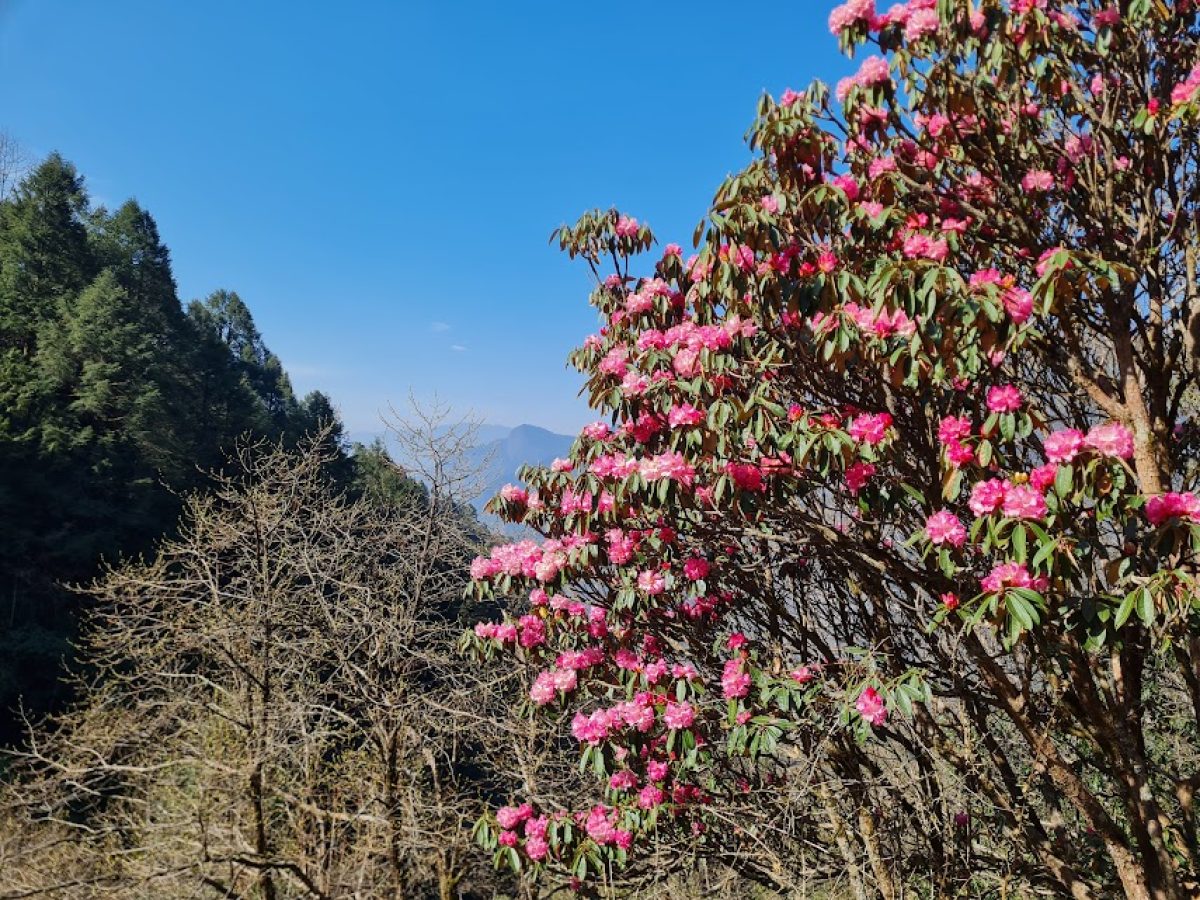
The trek to Chutanga is a short but steady uphill walk through rhododendron and pine forests. As we move away from Lukla, the trail becomes peaceful and less crowded, offering a more serene trekking experience. Chutanga, located at around 3,050 meters, is a perfect stop for acclimatization. We spend the night here, allowing our bodies to adjust gradually to the increasing altitude. The fresh mountain air and natural surroundings provide a refreshing start to our Mera Peak climbing adventure.
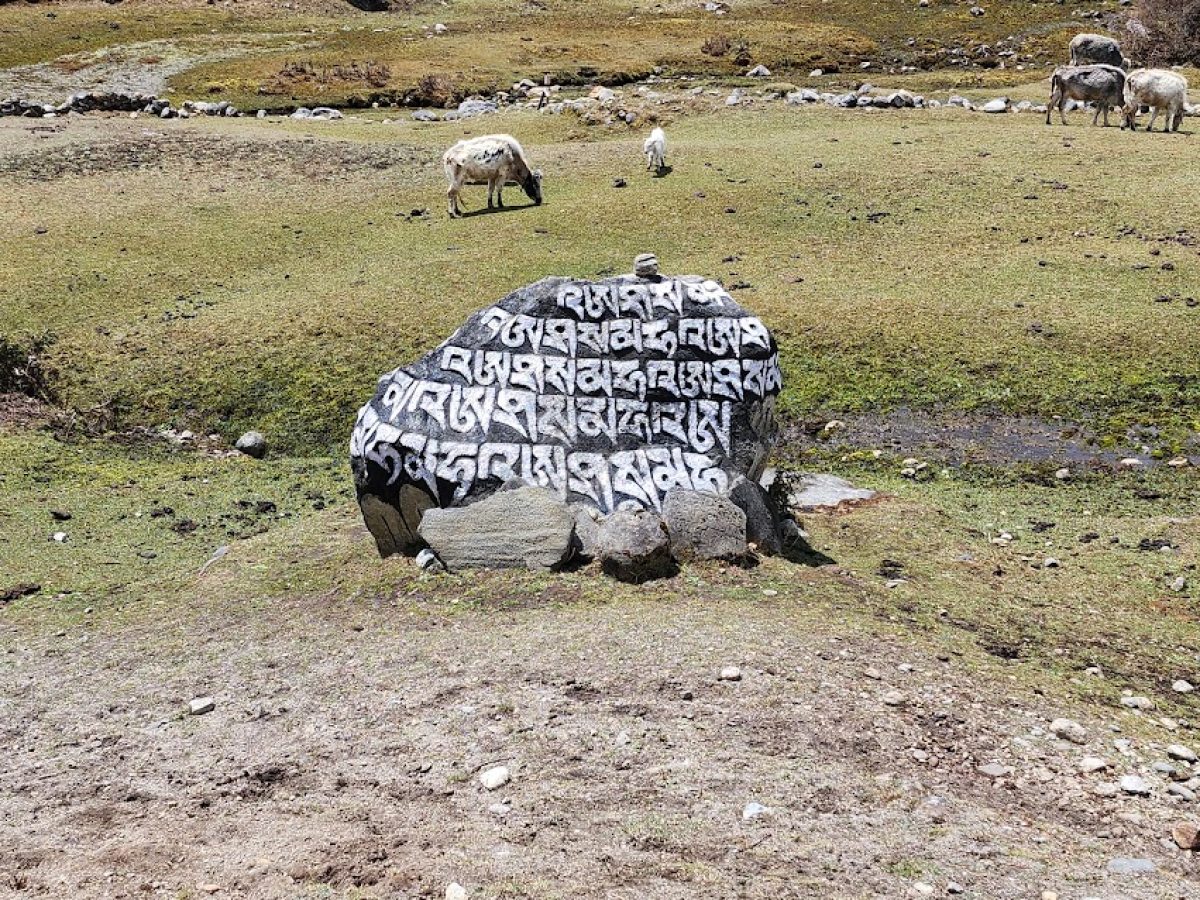
After breakfast, we begin our trek from Chutanga, heading towards Thuli Kharka via the Zwatra La Pass (4,600 m). This is a challenging yet scenic day as we ascend through dense forests of rhododendron and pine, gradually making our way to the high alpine zone. The climb to Zwatra La is steep in sections but offers incredible views of the Dudh Kosi Valley and distant peaks. As we reach the pass, prayer flags flutter in the wind, marking this significant crossing point and offering a perfect spot to rest and take in the views.
Crossing Zwatra La, we begin a steady descent toward Thuli Kharka. The trail winds through rocky paths and alpine meadows, with occasional sightings of Himalayan wildlife such as yaks, mountain goats, or colorful pheasants. The landscape opens up as we approach Thuli Kharka, a seasonal grazing area where we’ll spend the night. Surrounded by rolling hills and snow-draped peaks, this peaceful campsite offers a great place to relax and prepare for the days ahead on the way to Mera Peak.
After an early breakfast at Thuli Kharka, we begin our trek toward Kothe. The trail descends gradually through lush rhododendron and pine forests, offering a refreshing contrast to the higher alpine terrain. As we descend, we enjoy beautiful views of the Hinku Valley and surrounding green hills. The path can be rocky and uneven in sections, so we take our time and walk steadily, soaking in the peaceful sounds of nature and occasional wildlife sightings.
The route passes through remote landscapes, with few settlements along the way, giving a true sense of wilderness. After a few hours of trekking, we reach the banks of the Hinku River and continue alongside its flow. As we near Kothe, the landscape opens up, and we start to see small tea houses and resting places. Upon arrival in Kothe, a small village nestled in the valley, we check into a local lodge and enjoy a warm meal. It’s a great place to relax, rehydrate, and prepare for the higher altitudes ahead.
After breakfast at Kothe, we begin our trek towards Thaknak, gradually ascending through the scenic Hinku Valley. The trail follows the west bank of the Hinku River, passing through dense forests of pine, rhododendron, and moss-covered birch trees. As we gain altitude, the landscape becomes more alpine, offering stunning views of Mera Peak and surrounding snow-capped mountains.
This part of the trek is relatively short but important for acclimatization. Along the way, we pass small yak pastures and summer settlements used by local herders. After 3 to 4 hours of trekking, we reach Thaknak (4,350m), a small grazing area with a few tea houses nestled below the towering cliffs of Kusum Kanguru. Upon arrival, we rest, enjoy a warm meal, and take time to explore the surrounding area, allowing our bodies to adjust to the rising elevation.
After breakfast, we begin our trek from Thaknak to Khare, which lies at an elevation of around 5,045 meters. The trail follows the lateral moraine of the Dig Glacier, offering spectacular views of the surrounding snow-covered peaks. As we gradually ascend, the landscape becomes more barren and rugged, showcasing the true alpine beauty of the Hinku Valley. The crisp mountain air and the stunning backdrop of Mera Peak keep us motivated throughout the trek.
The trail from Thaknak to Khare is relatively short but demands a slow and steady pace due to the increasing altitude. We cross several small streams and icy sections, with our guides ensuring a safe passage. Upon reaching Khare, we are welcomed by breathtaking views of Mera Peak looming above. Khare serves as the base camp for Mera Peak, and here we rest, acclimatize, and prepare our gear for the upcoming climb. The village has basic lodges, and the evening is spent relaxing and mentally preparing for the summit push ahead.
After reaching Khare (around 5,000 meters), we take a full day for acclimatization and essential pre-climb training. This rest day is crucial to help your body adjust to the high altitude and reduce the risk of altitude-related illnesses before ascending further. Khare also offers stunning views of Mera Peak and the surrounding glacial landscape, giving you a taste of the adventure that lies ahead.
During the training session, our experienced climbing guides will introduce you to the basic skills required for the summit push. This includes the use of climbing gear such as harnesses, crampons, ice axes, ropes, and ascenders. You’ll practice walking on snow and ice, using fixed ropes, and other essential techniques to ensure you’re confident and prepared for the climb. This preparation at Khare not only boosts your safety but also enhances your overall experience on Mera Peak.
he climb from Khare (4,960m) to Mera High Camp (5,700m) is a crucial part of the Mera Peak expedition, marking a significant altitude gain that prepares climbers for the final summit push. After a restful night in Khare, we begin the ascent early in the morning, trekking through a mix of rocky terrain and moraine slopes. The trail offers stunning views of the surrounding peaks, including Amphu Labtsa and Chukkung Ri, while the air becomes noticeably thinner as we gain elevation. This section requires steady pacing and frequent breaks to help with acclimatization.
The journey to high camp is moderately challenging due to the steepness and altitude but does not require technical climbing skills, making it accessible to fit trekkers with some prior high-altitude experience. Upon reaching Mera High Camp, climbers are greeted with breathtaking panoramic vistas of the Everest, Makalu, Lhotse, and Cho Oyu ranges. The high camp serves as a vital resting point where climbers prepare their gear, rest well, and hydrate in anticipation of the early morning summit attempt, typically scheduled for the next day.
Spending a night at Mera High Camp allows the body to acclimatize further and adjust to the high altitude. The camp itself is simple but comfortable, often set up in tents with essential facilities provided by the expedition team. This strategic stop is key to ensuring climbers are physically and mentally ready for the demanding climb ahead, boosting confidence and safety for the final ascent to Mera Peak’s summit.
From Mera High Camp, the summit push to Mera Peak begins early in the pre-dawn hours to take advantage of firmer snow and safer climbing conditions. The ascent involves navigating steep snow slopes and some glacier travel using crampons and ice axes, so basic mountaineering skills and careful pacing are essential. As you climb higher, the air becomes thinner, making the effort more challenging, but the breathtaking panoramic views of Everest, Lhotse, Makalu, and other Himalayan giants provide incredible motivation.
Reaching the summit of Mera Peak at 6,476 meters is a truly unforgettable achievement, offering stunning 360-degree vistas of some of the world’s highest mountains and vast Himalayan landscapes. After soaking in the spectacular views and taking time to celebrate, you begin your descent back down to Mera High Camp. Descending carefully is important, as fatigue can increase risks on the steep slopes.
Once safely back at High Camp, you rest briefly before continuing the trek down to Khare, a nearby village that serves as a comfortable stopping point. The descent offers a chance to reflect on the climb while enjoying the serene mountain environment. From Khare, the journey continues down through beautiful valleys and traditional Sherpa settlements, completing the rewarding experience of Mera Peak climbing.
The trek from Khare to Kothe marks an important transition as you descend from the high-altitude environment of Khare (around 4,800 meters) toward the lower alpine forests surrounding Kothe. After an early breakfast in Khare, the trail begins with a gradual descent, offering stunning views of the surrounding mountain ranges and glaciers. The path winds through rocky terrain, passing small streams and patches of alpine vegetation, giving trekkers a chance to relax their legs after the demanding climbs.
As you approach Kothe, the landscape becomes greener and more sheltered, with clusters of pine and rhododendron trees replacing the sparse high-altitude flora. Kothe is a peaceful spot nestled among forested slopes, providing a comfortable resting place with tea houses and lodges. The fresh mountain air and scenic surroundings make it an ideal location to recover and prepare for the next stage of the trek. Along the way, you may encounter local wildlife and shepherds tending their yaks, offering a glimpse into the traditional Himalayan way of life.
The journey from Khare to Kothe is a perfect mix of natural beauty and cultural exposure, making it a memorable part of any high-altitude trekking adventure. The moderate descent helps with acclimatization while allowing trekkers to soak in the serene mountain atmosphere before continuing onward.
The trek from Kothe to Thuli Kharka takes you deeper into the heart of the Langtang region, offering stunning natural beauty and a peaceful trekking experience. Leaving Kothe, you will follow a trail that gently ascends through lush forests filled with rhododendron and pine trees. The path is relatively moderate, allowing you to enjoy the fresh mountain air and panoramic views of surrounding peaks as you progress. Along the way, you might encounter local shepherds and their livestock grazing in the meadows, giving you a glimpse into traditional Himalayan rural life.
As you approach Thuli Kharka, the landscape opens up to expansive alpine pastures, known locally as “kharkas,” where yaks and sheep graze during the warmer months. This serene high-altitude meadow offers a tranquil resting spot and an excellent place to acclimatize before continuing to higher elevations. The peaceful atmosphere, combined with breathtaking views of snow-capped peaks, makes Thuli Kharka a favorite stop for trekkers seeking solitude and natural beauty off the beaten path. The night here is crisp and clear, providing an ideal opportunity for stargazing under the vast Himalayan sky.
The trek from Thuli Kharka to Chutanga via Zwatra La (4,600 m/15,092 ft) is a challenging yet breathtaking high-altitude route that takes you across rugged mountain terrain and stunning alpine landscapes. After leaving Thuli Kharka, the trail gradually ascends toward the Zwatra La Pass, offering panoramic views of snow-capped peaks and glacial valleys. The climb to the pass requires steady footing and careful pacing, as the altitude and steep paths test your endurance and acclimatization.
Crossing Zwatra La, you’ll be rewarded with spectacular vistas of surrounding peaks and the remote valleys below. The descent from the pass leads you toward Chutanga, a peaceful mountain village nestled in the lap of the Himalayas. Along the way, you pass through rocky terrain and patches of alpine flora, experiencing the serene beauty and solitude of this less-traveled region. The trek challenges both your physical strength and mental focus, but the stunning scenery and sense of accomplishment make it an unforgettable journey.
The trek from Chutanga to Lukla marks the final leg of your journey through the stunning Everest region, bringing you back to the bustling gateway of the Khumbu. Leaving behind the peaceful and remote landscapes near Chutanga, the trail gradually descends through rhododendron forests and traditional Sherpa villages. As you trek, you’ll enjoy spectacular views of towering peaks like Ama Dablam and Thamserku, alongside glimpses of the Dudh Koshi River flowing alongside the trail.
This section of the trek offers a chance to reflect on your adventure while savoring the changing scenery from high alpine terrain to lower forests and settlements. The trail is well-marked and moderately easy, with gentle ups and downs, making it a comfortable end to your journey. Upon reaching Lukla, you’ll find a lively hub filled with shops, cafes, and lodges, where trekkers from around the world gather. It’s the perfect place to celebrate your accomplishments and prepare for your onward flight back to Kathmandu.
The return to Kathmandu marks the conclusion of the Everest Base Camp trek, with an early morning flight whisking trekkers back to the capital. This flight provides one last aerial view of the magnificent mountains. the rest of the day is at leisure in Kathmandu, with relaxation, indulgence in local cuisine, and shopping. The journey officially concludes with a farewell dinner within the evening, where trekkers receive a certificate commemorating their successful expedition.
Lobuche East Peak Climbing with EBC Trek with Nature Heaven Treks and Expedition concludes today as we ensure your transfer to the international airport from your hotel, coordinating together with your flight point in time. Our commitment to your adventure doesn’t end here; if you have additional days to explore, we’re ready to suggest both adventurous and relaxing trips within Nepal, enriching your experience further.
Please note, that we advise allocating one or two extra days beyond the trek schedule. Flights to and from Lukla are notably weather-dependent, making flexibility in your travel plans a wise precaution to avoid any unforeseen delays.
Airport Transfers
• Airport–Hotel–Airport transfers (pick-up and drop-off).
Accommodation in Kathmandu
• 3 nights’ accommodation in a 3-star hotel in Kathmandu on a Bed & Breakfast basis.
• Single room supplement included.
Welcome Dinner
• One welcome dinner at a tourist-standard restaurant in Kathmandu with office staff.
Permits & Fees
• Expedition royalty and climbing permit issued by the Nepal Mountaineering Association (NMA) for Mera Peak
• TIMS Card
• Makalu-Barun National Park entry permit and fees
• Garbage deposit fee
Staff Insurance
• Medical and emergency rescue insurance for all Nepalese staff involved during the trek and climb.
Maps & Documentation
• Trekking and climbing map
Domestic Transportation
• Round-trip domestic flights: Kathmandu – Lukla – Kathmandu (as per itinerary)
Equipment Transportation
• Transportation of all necessary climbing equipment for members and staff:
– Kathmandu to Lukla by air cargo
– Lukla to Base Camp by porters/yaks
– Return from Base Camp to Kathmandu via Lukla
Member Luggage
• Up to 25 kg of personal baggage per member carried by porters during the trek.
Meals & Accommodation (Trek & Base Camp)
• Three meals per day (Breakfast, Lunch, Dinner – including tea and coffee)
• Accommodation at hotels, lodges, teahouses, and camps during the trek
• Well-managed Base Camp setup for members and staff
Drinking Water
• 2 liters of boiled drinking water per member per day (carried in a thermos)
Porters
• One porter per member from Lukla to Base Camp and return
Base Camp Staff
• Experienced and well-trained Base Camp cook and kitchen helpers as required
Staff Salary & Allowances
• Daily wages, food, clothing, and equipment for all Nepalese staff and porters
Base Camp Accommodation
• Individual Yak Mountain or Kailas tent for each member at Base Camp
Base Camp Equipment
• Dining tent with tables and chairs
• Kitchen tent
• Toilet tent
• All necessary cooking equipment (if required)
Lighting
• Required lighting for dining and kitchen tents (if required)
Climbing Sherpa
• Veteran, government-licensed climbing Sherpa
Climbing Sherpa Salary & Allowances
• Salary, equipment, food, and clothing for climbing Sherpas
Emergency Oxygen
• Oxygen cylinders available at Base Camp for emergency use (extra charge applies)
• One set of oxygen mask and regulator available at Base Camp for emergencies
High Camp Services
• High-altitude tents (shared basis)
• Cooking gas, cooking pots, and high-altitude food
• Group climbing gear, fixed and dynamic ropes
• Support from climbing and cooking crew during the climbing period
Guide Service
• Government-licensed, English-speaking guide during the trek and Kathmandu sightseeing
Kathmandu Valley Sightseeing
• Guided sightseeing tour of Kathmandu Valley including:
– Swayambhunath (Monkey Temple)
– Kathmandu Durbar Square
Medical Support
• Comprehensive medical kit
Summit Certificate
• Mera Peak climbing certificate issued by the Nepal Mountaineering Association upon successful summit
International Flights
• International airfare to and from Kathmandu
Visa Fees
• Nepal visa fee:
– USD 60 per person (30 days)
– USD 120 per person (60 days)
Meals in Kathmandu
• Lunch and dinner during the stay in Kathmandu
• Meals in case of early return from the trek or expedition
Extra Nights in Kathmandu
• Additional accommodation due to early arrival, late departure, or early return from the trek/expedition
Insurance (Mandatory)
• Personal travel and high-altitude insurance
• Accident insurance
• Helicopter medical and emergency evacuation insurance
Rescue & Evacuation Costs
• Medical treatment, evacuation, repatriation, helicopter services, medication, tests, and hospitalization (if required)
Personal Expenses
• Phone calls, internet, laundry
• Hot showers, battery charging
• Toiletries
• Alcoholic beverages (during trek and in Kathmandu)
(Soft drinks will be provided at Base Camp)
Personal Equipment
• Clothing and packing bags
• Personal medical kit
• Personal trekking and climbing gear
Toiletries
• Soap, shampoo, toilet paper, tissues, toothpaste, and personal hygiene items
Filming & Drone Permits
• Special filming, camera, and drone permit fees
Internet Service
• Internet during the trek
Extra Porter
• USD 25 per extra porter per day (if required)
Summit Bonus
• Summit bonus for climbing Sherpa
Tips
• Tips for Base Camp staff and other crew
Enjoy complete flexibility with private departures available year-round. You can choose your preferred start date, and we’ll handle all the arrangements. Just use the booking form on the top right to select your date and leave the rest to us.
Once you book, your trip is 100% guaranteed – even if you’re the only one. We don’t cancel based on low enrollment. Every trekker receives the same high-quality service, whether solo or in a small group.
If your plans change, you have options. Cancel at least 30 days before departure for a full deposit refund. If canceling within 30 days, your deposit stays safe with us and can be used to reschedule your trek for any future date that suits you.
The best season for Lobuche East Peak climbing with Everest Base Camp (EBC) Trek is during the pre-monsoon (spring) from March to May and the post-monsoon (autumn) from late September to early November. During these months, the weather in the Khumbu region is clear, stable, and dry, making it safer and easier for climbing and trekking. In spring, you can enjoy blooming rhododendrons, lush valleys, and stunning mountain views. Autumn offers crisp air, golden landscapes, and spectacular Himalayan panoramas, perfect for photography. Avoid the monsoon season (June to August) because heavy rains can cause slippery trails, landslides, and limited visibility. Winter (December to February) is very cold and snowy, making the climb more challenging and riskier, though it is quieter with fewer trekkers.
Climbing Lobuche East Peak with an Everest Base Camp trek requires proper planning and permits. Booking with a trusted company like Nature Heaven Treks and Expedition ensures you get experienced guides, safety equipment, and logistical support. During the best seasons, trails are well-traveled, teahouses are open, and the chances of summit success increase. Combining Lobuche East Peak climbing with EBC trek gives you a complete experience of Himalayan adventure, Sherpa culture, and panoramic views of Everest, Lhotse, and Ama Dablam. For anyone looking for adventure trekking, peak climbing, and Himalayan exploration in Nepal, planning your trip in spring or autumn is the safest and most rewarding choice.
When climbing Lobuche East Peak along with the Everest Base Camp (EBC) Trek, proper food planning is very important for energy, strength, and altitude adjustment. Trekkers need meals that are high in carbohydrates, moderate in protein, and low in fat to keep stamina for long hikes and climbing. Popular options include oats, noodles, rice, soups, lentils, eggs, energy bars, dried fruits, and nuts. At tea houses along the EBC trail, you can find simple but nutritious meals like dal bhat (rice and lentil soup), momo (dumplings), and porridge, which are ideal for climbers. Staying hydrated with water, electrolyte drinks, and warm teas is crucial at high altitude. Many trekking companies, including Nature Heaven Treks and Expedition, provide tailored food plans, packed lunches, and energy snacks for Lobuche East climbers, ensuring you have safe, high-energy, and easily digestible meals during your adventure. Proper food choices not only fuel your trek but also help prevent altitude sickness and fatigue, making your Everest trekking and climbing experience safer and more enjoyable.
For those planning the Lobuche East Peak Climbing with Everest Base Camp Trek, accommodation is comfortable, safe, and carefully planned along the route to support your high-altitude adventure. In Kathmandu and Lukla, travelers stay in well-rated hotels and lodges with cozy rooms, hot showers, and good meals. On the trek toward Namche Bazaar, Tengboche, Dingboche, and Lobuche, you will stay in teahouses and mountain lodges that provide warm rooms, blankets, and basic facilities, ensuring rest and recovery for climbing. At high camps near Lobuche East Base Camp and Summit, accommodations are simple but secure, focused on safety and accessibility for climbers. Choosing the right lodging and teahouse along the EBC trek and Lobuche East climbing route ensures comfort, proper rest, and a smooth experience. Nature Heaven Treks and Expedition arranges all accommodations in advance, offering hassle-free booking and reliable service so you can focus fully on the adventure.
Lobuche East Peak Climbing with the Everest Base Camp (EBC) Trek is considered a challenging adventure, suitable for trekkers with good physical fitness and some prior trekking or climbing experience. The trek involves long walking days, high altitudes, and significant elevation gain. Reaching Everest Base Camp itself is a demanding journey, with altitudes exceeding 5,000 meters, which can lead to altitude-related challenges if not properly acclimatized. The route includes steep ascents, rocky trails, and cold temperatures, especially in the higher sections.
The actual climb to the summit of Lobuche East (6,119m) adds a technical mountaineering element to the trek. Climbers will need to use equipment like crampons, ropes, harnesses, and ice axes, especially on summit day. While it is considered a “trekking peak” by Nepal standards, the final ascent includes steep snow and ice slopes requiring basic climbing skills. With proper acclimatization, preparation, and the guidance of experienced climbing guides from Nature Heaven Treks, this adventure becomes a safe and highly rewarding experience.
Travel insurance for Lobuche East Peak climbing with the Everest Base Camp (EBC) trek is very important for a safe and worry-free adventure. This insurance should cover medical emergencies, high-altitude sickness, evacuation by helicopter, trip cancellation, lost luggage, and accidents during trekking or climbing. Companies like World Nomads, IMG, and SafetyWing provide reliable coverage for Nepal treks and climbing. When booking your trip with Nature Heaven Treks and Expedition, make sure your insurance clearly includes high-altitude trekking and peak climbing, as standard travel insurance often does not cover mountains above 5,000 meters. Having proper travel insurance ensures peace of mind, safe travel, and protection against unexpected costs, making your Everest Base Camp trek with Lobuche East Peak climb smooth, secure, and enjoyable.
Symptoms can start at elevations above 3,500m and include nausea, headaches, dizziness, and fatigue.
Tips to prevent altitude sickness:
Ascend gradually and allow time for acclimatization
Stay hydrated and avoid alcohol
Consider taking Acetazolamide (Diamox) after consulting a doctor
Descend immediately if symptoms worsen
Rest, use portable oxygen if needed, and never ignore warning signs
Essentials include:
50–70L backpack, sleeping bag, headlamp
Water bottle/purifier, warm clothes, rain gear
Hiking boots, gloves, sunglasses, sunscreen
Quick-dry layers, thermal wear, first aid kit, toiletries
Personal documents, passport, camera, maps, and guidebook
Safety and guide support is the most important part of the Lobuche East Peak Climbing with Everest Base Camp Trek. On this trek and climb, experienced and certified guides from Nature Heaven Treks and Expedition ensure your journey is safe, smooth, and enjoyable. They monitor your health, provide tips for altitude sickness, help with technical climbing sections, and manage equipment properly. Our guides are trained in rescue, first aid, and high-altitude safety, so you can focus on the adventure without worry. From Everest Base Camp to the challenging ascent of Lobuche East Peak, you get expert support at every step. With professional guidance, proper acclimatization schedules, and reliable team support, this climb becomes not just thrilling but safe. Booking with Nature Heaven Treks guarantees trustworthy guide support, making your Everest region adventure secure, memorable, and stress-free.
Nature Heaven Treks is a certified and experienced trekking agency. To book your trek, a 10% deposit is required. You’ll need to provide a copy of your passport, insurance, passport-size photos, and flight details within a week of booking. Payments can be made via online transfer, Western Union, or in person using cash, card, or bank transfer upon arrival in Nepal.
Our team is here to guide you with personalized recommendations, insider advice, and the latest travel updates to make your journey smooth and memorable.
Embark on unforgettable adventures through majestic landscapes, rich cultural sites, and serene natural retreats. Our travel packages are designed to suit every explorer whether you seek thrill, peace, or heritage.
More than 730 individuals and over 50 countries travellers we have deal with
Yael0505
July 21, 2024
“We had an excellent trek with Krishna and his excellent team. The tour itself was excellently planned.”
Wildnature2006,
May 1, 2024
“From the moment we met Krishna at the airport, we knew we were in good hands. Immediately upon arrival…”
Dreamer47485971266,
November 23, 2023
“We had a wonderful time trekking Langtang and the frozen lakes. Krishna has done everything so every…”
Nature Heaven Treks and Expedition is a boutique, locally owned trekking and adventure travel company based in Kathmandu, Nepal. Drawing on 25 years of experience, they specialize in personalized, safety‑focused Himalayan journeys with expert guides and tailor‑made itineraries—ensuring reliability and high customer satisfaction According to official records, the company was formally established in 2076‑07‑21 Bikram Sambat (in the Nepali calendar), corresponding to late October 2019 AD
Yes, Nature Heaven Treks provides highly experienced and professional climbing guides for Mera Peak. Our guides are government-licensed, well-trained in high-altitude safety, and have years of successful climbing experience. They will assist you with technical skills, acclimatization, and ensure your safety from start to summit.
You can easily find the complete gear list for Mera Peak Climbing on our website by visiting the Mera Peak Climbing trip page. Scroll down to the “Trip Information” or “Equipment List” section, where we’ve included a detailed checklist of all the clothing, gear, and accessories you’ll need for the climb.
You can easily book your Mera Peak Climbing trip with Nature Heaven Treks by contacting us directly via WhatsApp at +977-9851218358 or emailing info@natureheaventrek.com. Our team will guide you through the booking process, provide all trip details, and help arrange permits, equipment, and logistics for a safe and memorable climbing experience.
To confirm your Mera Peak booking with Nature Heaven Treks and Expedition, we require an advance payment of 20% of the total trip cost. This deposit secures your spot, arranges permits, and confirms all necessary logistics for your climb.
Nature Heaven Treks offers a variety of trekking options, including popular routes like the Everest Base Camp and Annapurna Circuit, as well as off-the-beaten-path adventures in regions like Manaslu and Langtang .
✅ 17+ Years of Trekking Experience
✅ Certified and Friendly Local Guides
✅ 100% Tailor-Made Itineraries
✅ Small Groups, Big Adventures
✅ Eco-Conscious and Culturally Respectful Practices
✅ 5-Star Reviews from Adventurers Worldwide





Chat with Us