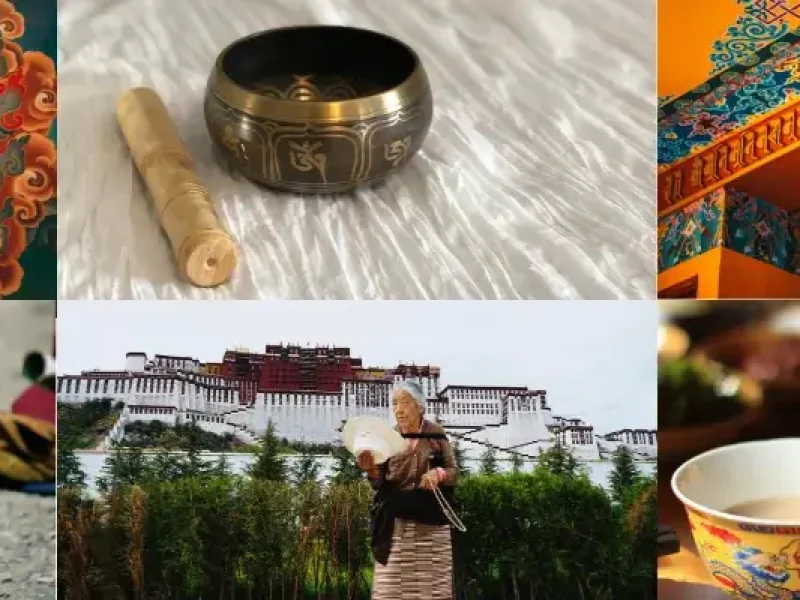
Tibetan culture is one of the oldest and most peaceful cultures in the world. It grew high up in the Himalayas, in the land known as the Roof of the World. The people of Tibet live close to nature and believe in kindness, peace, and compassion. Their life follows the path of Tibetan Buddhism, which guides how they think, live, and treat others. Because of this, the culture of Tibet is respected all over the world for its spiritual strength and simple lifestyle.
Overview of Tibet and Its Global Significance
Tibet is located in Central Asia, surrounded by China, India, and Nepal. Its position has made it a bridge between many Asian cultures. The world knows Tibet as a place of spiritual wisdom, where people practice meditation, prayer, and peaceful living. Many visitors travel to Tibet to learn about Tibetan medicine, mindfulness, and the teachings of the Dalai Lama. Today, the ideas of spiritual Tibet—like peace, balance, and compassion—are inspiring people across the globe who are searching for calm and happiness.
Rich Cultural Heritage of Tibet
The Tibetan heritage is full of color, art, and deep traditions. During festivals such as Losar (Tibetan New Year), people wear beautiful clothes, sing songs, and perform sacred dances. Traditional Tibetan art like thangka paintings, butter sculptures, and hand-woven carpets show their strong spiritual beliefs. Tibetan food such as Tsampa, momo, and butter tea reflects their life in the cold Himalayas. Every part of Tibetan culture—from music to clothing—shows creativity and faith, making it a treasure for travel Tibet lovers and cultural explorers.
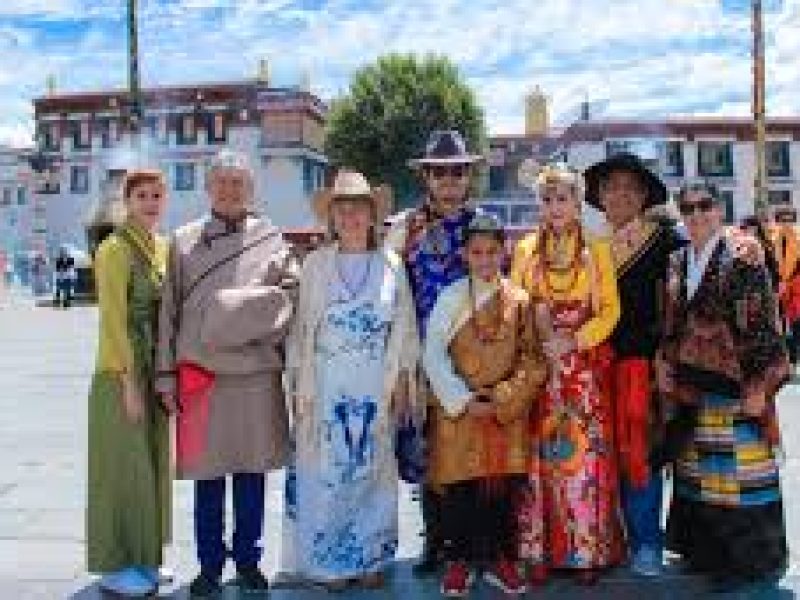
Tibet’s long history and rich traditions shape the modern Tibetan identity. Even in today’s world of technology, Tibetans proudly protect their ancient customs, language, and religious beliefs. Young Tibetans share Buddhist traditions, songs, and stories on social media to keep their culture alive. This mix of old wisdom and modern life helps the world see Tibet as a land of hope, spirituality, and resilience. The message of Tibetan Buddhism continues to spread around the world, inspiring people who dream of a peaceful and meaningful life.
The Tibetan people have lived for thousands of years on the “Roof of the World,” surrounded by the Himalayan mountains. The earliest Tibetans were nomads and farmers who lived close to nature, herding yaks and sheep and growing barley — the main food of Tibet. Around 2,000 years ago, several small tribes joined together under a single king, forming the first Tibetan kingdom. The people believed strongly in spirits of mountains, rivers, and sky — a belief system called Bon religion, which shaped their early culture before Buddhism arrived.
In the 7th century, King Songtsen Gampo married two Buddhist princesses — one from China and one from Nepal — and introduced Buddhism to Tibet. Over time, Buddhism mixed with the local Bon traditions, creating a unique spiritual system known as Tibetan Buddhism. Monasteries were built, and monks became teachers, doctors, and artists. Prayer flags, mandalas, and meditation practices became part of daily life. This religion taught peace, compassion, and mindfulness — values that shaped Tibetan art, music, and education.
In the mid-20th century, Tibet faced a huge change when China invaded Tibet in 1950. The Chinese government took control, and in 1959, the 14th Dalai Lama, Tibet’s spiritual and political leader, escaped to India, where he lives in exile. Since then, the Tibetan people have struggled to protect their religion, culture, and identity. The Dalai Lama continues to spread the message of peace, compassion, and non-violence around the world, making Tibetan culture famous globally.
Before modern times, Tibet was ruled by powerful kings who supported religion, art, and education. The Tibetan monarchy (from the 7th to 9th centuries) created the Tibetan alphabet, built great monasteries, and united the people under one kingdom. The kings worked closely with Buddhist monks, turning Tibet into a center of wisdom and learning in Asia. During this golden era, Tibet developed its traditional medicine, architecture, and cultural festivals that still attract tourists today.
1. The Role of Tibetan Buddhism in Shaping Traditions
Tibetan Buddhism is the heart and soul of Tibetan culture. It guides how people live, pray, and even celebrate festivals. Every part of daily life — from morning prayers to community gatherings — is influenced by Buddhist values such as kindness, peace, and compassion. Monasteries are not just places for monks but also centers of education, art, and culture. The teachings of Buddha remind people to live simply, help others, and stay mindful. These spiritual lessons have shaped Tibetan traditions for centuries, keeping them connected to their roots.
2. The Dalai Lama’s Influence on Spiritual and Cultural Practices
The Dalai Lama, the spiritual leader of Tibet, plays a very big role in both religion and culture. His teachings focus on peace, forgiveness, and happiness through inner balance. People around the world respect him as a global icon of compassion. The Dalai Lama has helped spread Tibetan Buddhism far beyond the Himalayas — to countries like India, Nepal, the UK, and the USA. His message encourages people to live with love, patience, and harmony. Through him, Tibetan culture has become a symbol of spiritual strength and world peace)
3. Tibetan Buddhist Symbols, Rituals, and Their Meaning
Tibetan Buddhism uses many beautiful symbols that hold deep meaning. The prayer flags fluttering in the wind spread blessings and peace to all. The prayer wheels represent the continuous cycle of life and good karma. The mandala — a circular design — shows the universe and helps people focus during meditation. Rituals like lighting butter lamps and chanting mantras are part of daily devotion. Each act connects the mind and heart to positive energy and spiritual growth.
4. Buddhism in Everyday Tibetan Life
In Tibetan homes, religion and daily life are deeply connected. Every morning, people offer water bowls, light lamps, or say short prayers for peace and good fortune. Farmers chant mantras before starting work, travelers hang prayer flags on mountain passes, and families visit monasteries during festivals. Even modern Tibetan youth follow many of these traditions with pride. These simple but powerful acts keep their ancient culture alive and remind everyone to live kindly and peacefully.
1. Overview of the Tibetan Language and Script
The Tibetan language is one of the oldest and most unique languages in Asia. It is mainly spoken in Tibet, parts of Nepal, Bhutan, and northern India. The Tibetan script was created in the 7th century by Thonmi Sambhota, inspired by ancient Indian scripts. It has 30 main letters and is written from left to right. The Tibetan script is not only used for daily communication but also for writing sacred Buddhist texts, prayers, and mantras. This makes it a key part of Tibetan culture, spirituality, and heritage, attracting linguists and researchers worldwide who study Tibetan calligraphy, grammar, and sacred writings.
2. Significance of Oral Storytelling and Tibetan Literature
Before writing became common, Tibetans used oral storytelling to share their history, wisdom, and beliefs. Storytellers, known as “Bards” or “Mani storytellers,” passed down legends of kings, saints, and mythical creatures through songs and tales. This oral tradition helped people remember their past even without books. Tibetan literature later developed through Buddhist scriptures, folk tales, poetry, and biographies of lamas, making it rich and diverse. Today, these stories are part of Tibet’s cultural tourism, attracting travelers interested in Tibetan folklore, myths, and Buddhist teachings.
3. The Role of Monasteries in Preserving Cultural Texts and Knowledge
Tibetan monasteries are like living libraries. Monks and scholars carefully preserve thousands of ancient manuscripts, including religious scriptures, medical texts, and works on astrology and philosophy. These monasteries serve as centers of learning, translation, and cultural conservation. They protect rare writings and teach the younger generation about Tibetan language, art, and Buddhist philosophy. Many monasteries, like Sera, Drepung, and Tashi Lhunpo, are famous for their vast libraries and are open to visitors and researchers who want to explore Tibetan monastic education and ancient knowledge systems.
4. The Modern Relevance of Tibetan Language and Literature
In today’s world, efforts are being made to digitize Tibetan manuscripts and teach the Tibetan language through online platforms. Schools in Tibet and abroad are working to keep the language alive among young people. Scholars are translating old texts into English and other languages, allowing global readers to explore Tibetan Buddhist wisdom and traditional literature. With global interest in mindfulness, meditation, and Himalayan culture, the Tibetan language continues to play a vital role in connecting people with the region’s deep spiritual roots and unique identity.
1. The Design and Purpose of the Chuba
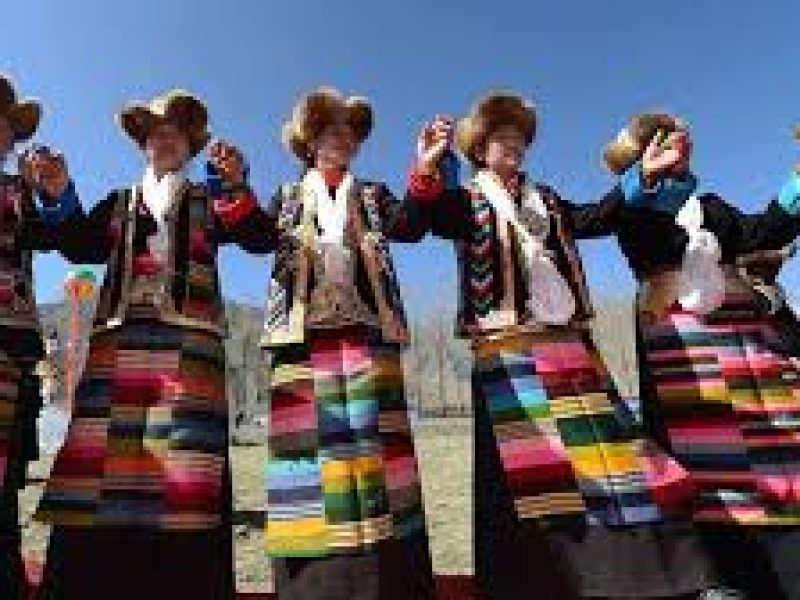
The Tibetan chuba is the most iconic piece of traditional Tibetan clothing, representing both culture and practicality. This long woolen robe is specially designed to protect people from the freezing winds and cold temperatures of the Himalayan region. The chuba has wide sleeves, is tied around the waist with a bright belt, and often creates a large pocket in front to store small items or even carry babies. Its functional design, cultural roots, and stylish comfort make it a unique symbol of Tibetan identity and heritage.
2. Regional and Occasion-Based Variations
Across different parts of Tibet, the style and color of the chuba change with the region and occasion. In Central Tibet, darker woolen chubas are common, while Eastern Tibet features bright, patterned robes made of silk or brocade. For festivals, weddings, and religious events, Tibetans wear colorful, richly embroidered chubas with decorative sashes and jewelry. For daily wear, people prefer simple woolen robes. These regional variations show how Tibetan fashion is deeply connected to lifestyle, environment, and tradition, creating a diverse cultural identity across Tibet.
3. Accessories and Their Cultural Significance
No Tibetan traditional dress is complete without accessories. Both men and women wear silver, coral, and turquoise jewelry, believed to bring luck, health, and spiritual protection. The khata scarf, a white silk offering, symbolizes purity, respect, and good wishes, and is an important part of greetings and religious rituals. Tibetans also wear distinctive hats and colorful belts depending on weather and local customs. These accessories highlight Tibetan artistry, faith, and symbolism, showing how fashion connects with spiritual and cultural values.
4. Environmental Influence on Tibetan Clothing Styles
The harsh Himalayan climate has strongly influenced Tibetan clothing styles. Warm materials like wool, fur, and sheepskin are used to protect against cold, while lighter fabrics are worn during summer months. The layered design of Tibetan clothes reflects eco-friendly and sustainable living, as they are handmade from natural local materials. The chuba’s practicality and adaptability show how Tibetans have lived in harmony with nature for centuries. Today, this traditional clothing also inspires modern sustainable fashion around the world.
Tibetan food reflects the hard mountain life of the Himalayas and the warm hearts of its people. The main staple of Tibetan cuisine is Tsampa, a roasted barley flour mixed with butter tea or water. It gives instant energy and is easy to carry during long journeys in the mountains. Another favorite dish is Momos, the delicious Tibetan dumplings filled with meat or vegetables, loved by travelers and locals alike. Tibetans also eat Yak meat, which is rich in protein and helps them stay warm in cold weather. Other common foods include noodle soups, barley bread, and dried cheese — all part of the authentic Tibetan food culture that blends health and tradition.
When it comes to drinks, Tibet has some unique and flavorful options. Butter tea (Po Cha) is the most famous beverage, made from tea leaves, yak butter, and salt — a perfect drink to fight the cold. It’s not sweet like normal tea, but it gives warmth and energy. Another popular drink is Barley tea, a simple roasted flavor enjoyed daily. During festivals or gatherings, people drink Chang, a local barley beer that symbolizes celebration and togetherness. These traditional Tibetan beverages show how deeply food and drink are connected to Tibet’s environment and lifestyle.
Food plays a big role in Tibetan festivals and rituals. During Losar (Tibetan New Year), families prepare special dishes like guthuk, a noodle soup with hidden items that predict fortune and fun. Monasteries serve butter tea and sweets during religious ceremonies, symbolizing sharing and harmony. Food offerings are also made to gods and ancestors during rituals, showing respect and gratitude. Every meal, from simple tsampa to festive feasts, carries spiritual meaning and strengthens social bonds in Tibetan culture.
Tibetan cooking uses simple yet unique methods that fit the high-altitude lifestyle. Most dishes are steamed or boiled because it’s healthy and practical. Due to the cold climate, frying and baking are rare. Yaks provide milk, butter, and meat — essential for survival. The limited use of spices keeps the natural taste of ingredients alive. These traditional Tibetan cooking methods highlight the harmony between people and nature, showing how Tibetan food is not just about taste but about living wisely in the “Roof of the World.”
1. Major Tibetan Festivals – Losar and Saga Dawa
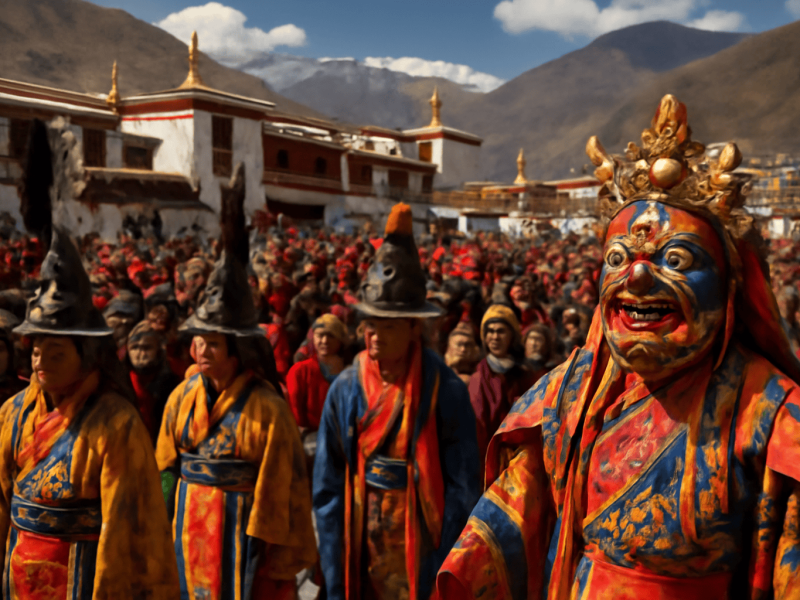
Tibet is a land full of joy, color, and tradition. The biggest festival is Losar, the Tibetan New Year. It usually falls in February or March and marks the start of a new lunar year. During Losar, people clean their homes, decorate with colorful prayer flags, wear new clothes, and visit monasteries to pray for good luck. Families prepare traditional food like guthuk (noodle soup) and khapse (fried pastries). Another very important festival is Saga Dawa, which celebrates the birth, enlightenment, and death of Lord Buddha. It usually falls in May or June. Tibetans believe that doing good deeds during Saga Dawa brings many blessings, so they donate to the poor, avoid killing any living beings, and light butter lamps in temples.
2. Celebration of Religious and Seasonal Festivals
Tibetans celebrate many other festivals based on seasons and religious beliefs. The Butter Lamp Festival (Chunga Choepa) is celebrated by lighting thousands of butter lamps in monasteries to honor the victory of Buddha’s teachings. The Shoton Festival or Yogurt Festival is held in August to mark the end of monks’ meditation retreat, where locals enjoy Tibetan opera and yak races. During the Harvest Festival, farmers thank nature and pray for a good harvest. Each of these events shows the deep connection Tibetans have with their religion, nature, and community.
3. Rituals and Customs During Festivals
Every Tibetan festival is filled with unique rituals, prayers, and customs. People visit monasteries to spin prayer wheels, chant mantras, and offer incense. Monks perform sacred dances known as Cham dances, which symbolize the victory of good over evil. Families gather to share meals and offer barley wine called chang. Colorful prayer flags are hung to spread blessings in the wind. During Saga Dawa, Tibetans walk around holy sites like Barkhor Street and Mount Kailash as part of their spiritual practice. These customs reflect Tibetans’ devotion to Buddhism, peace, and compassion.
4. Importance of Tibetan Festivals in Modern Times
Even in today’s modern world, Tibetan festivals keep their cultural identity alive. These celebrations are not only for religious reasons but also for community bonding, tourism, and cultural preservation. Travelers from around the world visit Tibet during Losar and Saga Dawa to experience its rich traditions. The festivals promote values like kindness, mindfulness, and harmony with nature—concepts that are becoming global trends. Whether celebrated in Tibet or among Tibetan communities abroad, these festivals bring happiness, peace, and unity.
1. Traditional Tibetan Homes (Stone and Wood Construction)
Traditional Tibetan homes are strong, warm, and perfectly designed for life in the cold Himalayan mountains. Most houses are made from stone, wood, and mud, materials easily found in Tibet. The thick stone walls protect people from the freezing winds, while the flat roofs are used to dry barley, vegetables, and yak dung for fuel. The windows are small and often framed with bright colors like red, yellow, and blue — colors that represent Buddhist energy and harmony. These homes often have prayer flags fluttering on top, showing the people’s faith and love for nature.
2. Key Features of Tibetan Monasteries, Temples, and Palaces
Tibetan monasteries and temples are the heart of spiritual life. They are built on hills or high ground, symbolizing closeness to heaven. Most monasteries have large prayer halls, golden rooftops, colorful murals, and tall stupas (chortens). Inside, you’ll see statues of Buddha, prayer wheels, and thankas (religious paintings) that tell stories of peace and wisdom. Palaces like Potala Palace and Norbulingka reflect the same sacred design but on a royal scale. These structures are not just buildings — they are places of meditation, learning, and community gatherings.
3. The Influence of Buddhist Principles on Architecture
Buddhist values are deeply connected to Tibetan architecture. Every design — from the direction a door faces to the shape of the roof — follows spiritual meanings. Temples are often aligned with the four cardinal directions, symbolizing balance in life. The colors used — red (strength), yellow (wisdom), white (purity), green (peace), and blue (sky) — all have sacred meanings in Tibetan Buddhism. Builders and monks believe that architecture should create harmony between humans, nature, and the divine
4. Iconic Tibetan Landmarks (Potala Palace and More)
The Potala Palace in Lhasa is the most famous landmark of Tibet and a UNESCO World Heritage Site. Once the home of the Dalai Lama, it sits like a jewel on Red Hill, with over 1,000 rooms filled with ancient scrolls, golden stupas, and sacred relics. Other iconic sites include Jokhang Temple, the spiritual center of Lhasa, and Tashilhunpo Monastery, home to the Panchen Lama. These landmarks attract travelers, historians, and spiritual seekers from around the world who wish to experience Tibet’s deep cultural soul.
Tibetan Thangka Painting and Its Meaning
Tibetan thangka painting is one of the most famous forms of Tibetan art. It is a religious painting made on cotton or silk, showing images of Buddha, Bodhisattvas, or mandalas. These paintings are not just decorations; they are used for meditation and teaching Buddhist philosophy. Each thangka tells a spiritual story and helps people focus on compassion, peace, and wisdom. The bright colors, gold lines, and fine details make every piece a sacred artwork. Today, thangka paintings are also loved by travelers and art collectors around the world, making them popular Tibetan culture souvenirs and handmade Buddhist art products.
Tibetan Sculpture, Pottery, and Textiles
Tibetan sculptures and statues are usually made of bronze, clay, or gold, and they represent gods, monks, and protectors. You can find them in Tibetan monasteries and Buddhist temples across the Himalayas. Pottery is also a traditional craft, used to make water pots, cups, and lamps. In textiles, Tibet is world-famous for handwoven carpets, yak wool shawls, and silk robes. These are not only beautiful but also very useful for life in the cold mountains. Tibetan carpets, in particular, are known for their unique patterns and bright colors, often showing symbols like the lotus, dragon, and endless knot — all part of Tibetan Buddhist symbolism.
Role of Art in Religion and Daily Life
For Tibetans, art is not just for beauty — it is a part of religious life and cultural identity. Monks and artists create paintings and sculptures as a form of devotion and meditation. When people look at a thangka or touch a handmade statue, they feel closer to their faith. Even household items like carpets and jewelry have spiritual meanings, believed to bring luck, purity, and protection. This makes Tibetan art a living tradition, connecting every generation with their ancestors and beliefs.
Preserving Tibetan Culture Through Art
Tibetan arts and crafts help preserve Tibetan culture, especially in a modern world where traditions are fading. Local artisans continue to teach these crafts to younger generations, keeping the old methods alive. Tourists who buy authentic Tibetan handicrafts, such as hand-painted thangkas or handwoven carpets, help support these communities. With growing interest in mindfulness, Buddhist spirituality, and Himalayan heritage, Tibetan art has become a global symbol of peace and balance. By promoting these crafts, we help protect not only a culture but also a way of seeing the world with compassion and harmony.
1. Traditional Tibetan Musical Instruments
Tibetan music is known for its deep, spiritual sound that connects people to their faith and nature. Traditional instruments like the dranyen (Tibetan lute), damnyen (six-stringed guitar), gyaling (woodwind trumpet), nga (drum), and dungchen (long horn) are widely used. These instruments create powerful, echoing tones that fill monasteries and mountain valleys. The dranyen is often used in folk songs, while the dungchen is played during monastery rituals. These unique sounds represent the heart of Tibetan culture and are a big part of the region’s musical identity.
2. Influence of Religion and Culture in Tibetan Music
Most Tibetan music is inspired by Buddhist teachings and the peaceful way of life of its people. Religious songs are used to praise the Buddha, express devotion, and spread messages of love and compassion. Monks chant sacred mantras during daily prayers, which are considered a form of musical meditation. Cultural themes like nature, spirituality, and harmony are deeply connected to the rhythm and tone of the songs. This combination of religion and culture makes Tibetan music both spiritually rich and emotionally touching.
3. Traditional Tibetan Dances and Cham Dance
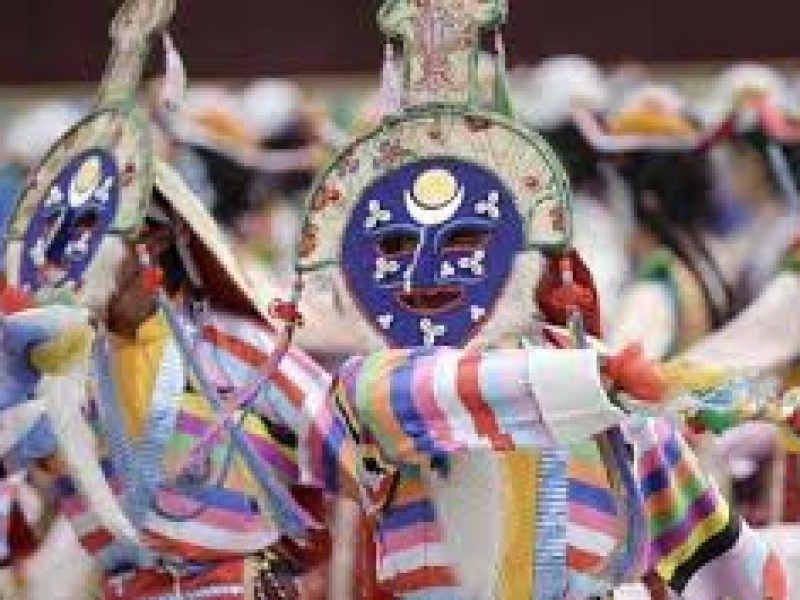
Dance is another colorful part of Tibetan tradition. The most famous is the Cham Dance, performed by monks during festivals like Losar (Tibetan New Year) and Monlam (Great Prayer Festival). Dancers wear bright costumes and masks of deities and animals, moving to the beat of drums and cymbals. Each step of the dance has a spiritual meaning — to remove negative energy and bring blessings to the people. Other regional folk dances, like Tibetan circle dances (Shon or Gorshey), are performed by villagers to celebrate harvest and joy.
4. Role of Music in Tibetan Ceremonies and Rituals
Music plays an important role in every Tibetan ceremony, from births and weddings to religious rituals and funerals. During monastery ceremonies, monks play long horns and chant together, creating a sound that symbolizes peace and unity. In villages, music and dance bring communities together during festivals. Tibetan music is not only entertainment—it’s a sacred expression of prayer, joy, and cultural pride. It helps preserve the ancient traditions of Tibet and connects younger generations to their spiritual roots.
1. Modern-Day Challenges
Tibetan culture faces many challenges in the modern world. One of the biggest issues is Chinese influence in Tibet. Since Tibet came under Chinese control in the 1950s, many traditional practices, language, and religion have been restricted. The Chinese government encourages modern development, but this often replaces Tibetan traditions, monasteries, and schools. Young Tibetans are also moving to cities or other countries for jobs, which weakens local traditions and village life. This cultural loss threatens Tibet’s unique identity — its art, festivals, and spiritual way of living that have lasted for centuries.
2. Migration and Cultural Shifts
Many Tibetans have left their homeland to escape political pressure and find freedom. This migration has created a large Tibetan diaspora in India, Nepal, and Western countries. While living in new environments, Tibetans face difficulties maintaining their language, religion, and dress traditions. The younger generation often grows up speaking English or Hindi instead of Tibetan, and Western lifestyles sometimes replace ancient customs. However, migration has also allowed Tibetan people to share their culture with the world — through music, crafts, and Buddhist teachings that inspire peace and mindfulness worldwide.
3. Efforts to Preserve Tibetan Culture in Exile
Despite many obstacles, Tibetans in exile are working hard to protect their heritage. The Central Tibetan Administration (CTA) in Dharamshala, India, runs schools, monasteries, and cultural centers to teach Tibetan language and history. Organizations like the Tibetan Institute of Performing Arts and Tibetan Children’s Village help preserve music, dance, and education. Around the world, Tibetan monks, scholars, and communities organize festivals, prayer events, and art exhibitions. These efforts keep Tibetan identity alive and help global audiences learn about Tibetan Buddhism, compassion, and harmony.
4. Importance of Cultural Resilience
The story of Tibet is one of strength, peace, and resilience. Even in the face of loss, Tibetans continue to live by the values of kindness, mindfulness, and spirituality. This cultural resilience helps them adapt to modern challenges while staying true to their roots. Preserving Tibetan culture is not only important for Tibetans but also for the entire world — as it teaches lessons of inner peace, balance with nature, and compassion. Supporting Tibetan art, tourism, meditation centers, and education is essential to ensure that this ancient Himalayan culture continues to inspire generations to come.
Tibetan culture is a treasure of peace, wisdom, and spirituality that inspires the whole world. In today’s fast-moving and stressful life, people everywhere look for calmness, mindfulness, and balance — all of which are deeply rooted in Tibetan traditions. The teachings of Tibetan Buddhism, meditation practices, and the simple lifestyle of its people remind us to live with compassion, respect for nature, and inner peace. This culture has become a global symbol of harmony and sustainable living, making Tibet not only a tourist destination but also a spiritual brand of peace and positivity. Preserving Tibetan traditions is important for future generations because it keeps alive the values of kindness, patience, and unity. The colorful festivals, traditional dresses, unique foods like Tsampa and butter tea, and art forms like Thangka painting represent the identity of Tibet and its people. As modernization spreads, protecting these customs ensures that young Tibetans and visitors from around the world continue to learn from its deep spiritual wisdom. Supporting Tibetan cultural preservation, heritage tourism, and Buddhist education not only protects history but also builds a bridge between ancient wisdom and modern living. By valuing and promoting these traditions, we help maintain Tibet’s global cultural brand — one that stands for peace, balance, and compassion.
Call/WhatsApp: +977-9851218358 | +977-9841937489
Email: info@natureheaventrek.com | natureheaventrek@gmail.com
Address: Pakjonal Marga-16, Thamel, Kathmandu, Nepal
Website: https://natureheaventrek.com/