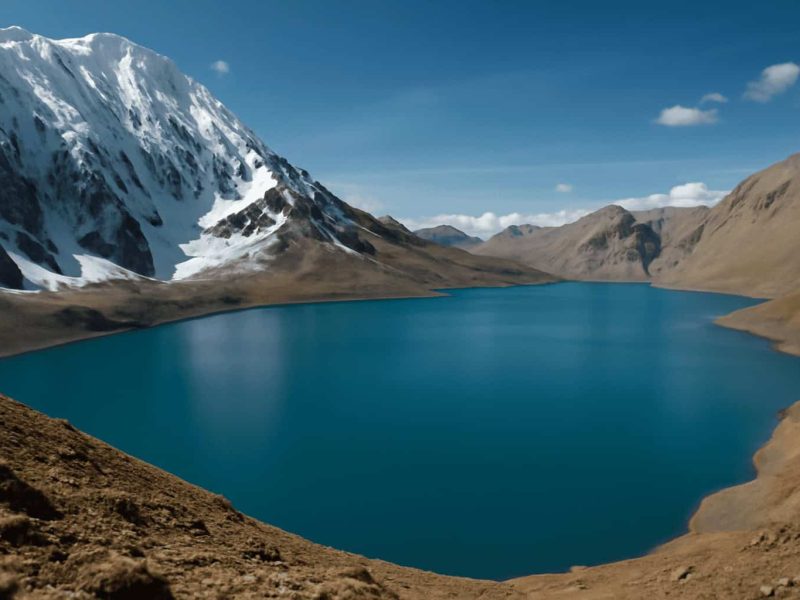
Tilicho Lake is one of the most stunning natural wonders in Nepal, nestled in the heart of the Annapurna region. It’s known for its breathtaking beauty and serene environment, making it a perfect destination for trekkers and nature enthusiasts alike. This high-altitude lake sits at an impressive 4,919 meters above sea level, surrounded by snow-capped peaks and deep valleys, which adds to its charm and allure.
Why is it called a hidden gem? Despite being a magnificent location, it’s less crowded compared to other trekking routes in Nepal, making it feel like a secret waiting to be discovered. Many trekkers and adventurers consider it one of the most rewarding experiences in the Annapurna Circuit, with its pristine waters reflecting the majestic mountains that surround it.
For trekkers, Tilicho Lake offers an adventure that is both physically challenging and visually rewarding. The journey to the lake takes you through diverse landscapes, including lush forests, alpine meadows, and high-altitude deserts. The beauty of the area is further amplified by the unique cultural experiences you encounter along the way.
This breathtaking lake is not just a trekker’s dream; it’s also a sanctuary for nature lovers. The tranquil surroundings, the fresh mountain air, and the incredible views make Tilicho Lake a must-visit spot for anyone seeking peace and natural beauty.
Tilicho Lake is located in the Annapurna region of Nepal, nestled at an altitude of 4,919 meters (16,138 feet). It is one of the highest lakes in the world and is situated in the northern part of the Annapurna Conservation Area. The lake is known for its stunning natural beauty, surrounded by towering peaks and offering a peaceful retreat for trekkers.
The starting point for most treks to Tilicho Lake is Besisahar, which is about a 6-7 hour drive from Pokhara, a popular tourist destination in Nepal. From Besisahar, the trek usually begins with a journey through charming villages like Shree Chaur and Manang, where trekkers can acclimatize before heading to Tilicho Lake.
The best time to trek to Tilicho Lake is during the spring (March to May) and autumn (September to November) seasons. During these months, the weather is more stable, and you can enjoy clear skies, sunny days, and cooler temperatures, making the trek more comfortable and safe.
Avoid visiting during the winter (December to February), as the weather can be harsh, with heavy snowfall and freezing temperatures, making trekking difficult and dangerous. Also, during the monsoon season (June to August), heavy rain can cause landslides, making the trail unsafe.
Make sure you are physically prepared and consult a guide or a trekking agency to ensure a smooth and enjoyable trek to Tilicho Lake.
Overview of the Annapurna Circuit Trek and Its Connection to Tilicho Lake
The Annapurna Circuit trek is one of the most popular and beautiful treks in Nepal. It takes you around the Annapurna mountain range, offering stunning views of snow-capped peaks, lush valleys, and charming villages. This trek is often referred to as a “tea-house trek” because of the small guesthouses along the way where trekkers can rest and enjoy local food. One of the highlights of this trek is the connection to Tilicho Lake, a high-altitude lake that is considered one of the highest in the world. The trek takes you through different landscapes, from subtropical forests to dry, arid deserts, before reaching the breathtaking Tilicho Lake.
Description of the Trek Route and the Challenges Faced by Trekkers
The Annapurna Circuit trek covers a wide range of terrains. The trek starts in the lower foothills, passing through villages where you can experience the local culture and lifestyle. As you go higher, you’ll see dramatic changes in the landscape, with views of the towering Annapurna and Dhaulagiri mountain ranges. The trek is challenging because it involves steep ascents, altitude gain, and unpredictable weather. Tilicho Lake sits at an altitude of around 4,919 meters (16,138 feet), making it a difficult destination to reach due to the high elevation.
The route to Tilicho Lake is especially challenging because of its altitude and the risk of altitude sickness. The lake is located in a remote area, and the path can be slippery, rocky, and rugged. The trek often requires good physical fitness and proper acclimatization to avoid altitude-related issues. The weather can also be tricky, as it can change rapidly, especially in the higher altitudes, so trekkers need to be prepared for all kinds of conditions.
Duration and Difficulty of the Trek
The entire Annapurna Circuit trek usually takes around 14 to 20 days, depending on the pace and rest days. The trek is moderate to difficult, especially the part leading to Tilicho Lake, where the high altitude and challenging terrain make it more strenuous. Most trekkers find it manageable with proper preparation, but it is recommended to have a good level of fitness and experience in trekking. For those who are new to high-altitude trekking, it might be helpful to do some shorter treks first to build stamina.
In summary, the Annapurna Circuit trek is an unforgettable experience with scenic beauty and the incredible Tilicho Lake as one of its key highlights. While the trek offers stunning views and a glimpse into Nepali mountain life, it also presents physical challenges that make it an adventure for experienced trekkers. The journey can take over two weeks and requires proper planning, fitness, and acclimatization to handle the difficult terrain and high-altitude conditions.
While the Annapurna Circuit is one of the most popular trekking routes in Nepal, Tilicho Lake remains one of its lesser-known treasures. Most trekkers tend to visit other famous spots like Poon Hill, Annapurna Base Camp, or the popular town of Pokhara. As a result, Tilicho Lake offers a peaceful retreat, away from the busy crowds that you find in more popular areas of the Annapurna region. The quieter nature of the trek makes it an ideal spot for those seeking solitude and a more personal experience with nature.
Unique Location and Serene Beauty
Tilicho Lake is located at a breathtaking altitude of 4,919 meters (16,138 feet), making it one of the highest lakes in the world. Surrounded by towering snow-capped peaks of the Annapurna mountain range, the lake is not only a remarkable feat of nature but also offers stunning, unspoiled views. The water is a stunning turquoise blue, contrasting beautifully with the stark mountain backdrop. The tranquility of the place, with its clear, crisp air, allows trekkers to truly connect with the natural beauty of the Annapurna region.
Spiritual and Cultural Significance
Tilicho Lake is more than just a beautiful sight—it’s deeply rooted in the culture and spirituality of the region. Locals consider the lake to be sacred, believing that it is the abode of gods. For trekkers, it’s not only a physical journey but a spiritual one as well. Many make the trek to Tilicho Lake with a sense of reverence, finding peace in the serenity of the place and the spiritual energy that surrounds it. The lake is mentioned in the Hindu epic, the Ramayana, adding to its cultural significance and making it an important destination for those seeking a deeper connection to Nepal’s rich heritage.
When you embark on the trek, you’ll be treated to some of the most breathtaking views of the majestic Annapurna and Manaslu mountains. These towering peaks will greet you at almost every turn, offering perfect spots for photos and quiet moments to take in the beauty of the Himalayas.
As you journey along, you’ll pass through a variety of landscapes. You’ll start in lush forests, where the trees are thick and green, providing shade and a peaceful atmosphere. As you climb higher, the forests give way to alpine meadows. These open, grassy areas are dotted with wildflowers and offer a great spot to rest while soaking in the views. The rugged terrain will keep you on your toes, with rocky paths and steep climbs, making the trek an exciting challenge for adventurers.
Along the way, you’ll get a chance to experience local culture. You’ll visit traditional villages where locals live in houses made from stone and wood. The friendly people will often greet you with warm smiles, and you might get to learn a bit about their daily life and traditions. You’ll also spot wildlife in the region, from birds soaring above the cliffs to animals grazing in the meadows. Keep your eyes open for creatures like musk deer, snow leopards, and Himalayan tahr.
So, whether you’re a seasoned trekker or just looking for an unforgettable adventure, the Annapurna trek promises a wonderful mix of stunning nature, culture, and a touch of wildness
Tilicho Lake, nestled high in the Himalayas, is not just a breathtaking destination for trekkers, but also a paradise for nature lovers. The flora and fauna around Tilicho Lake thrive in this high-altitude region, offering unique sights and experiences for anyone trekking here.
The flora around Tilicho Lake is varied and special, thanks to the region’s high altitude and rugged terrain. The lower regions of the trek are home to lush forests, where you’ll see trees like pine, oak, and rhododendron. These trees are especially beautiful during spring when the rhododendrons bloom with colorful flowers.
As you climb higher, the vegetation begins to thin out. In the mid-altitude regions, you’ll notice shrubs, grasses, and mosses adapted to the cold, dry environment. Alpine plants like the Himalayan blue poppy can be found near the lake’s shores. These plants are adapted to survive in the harsh conditions of the Himalayas, making them a rare sight for trekkers.
The wildlife around Tilicho Lake is equally fascinating. You’ll have the chance to spot animals that are specially adapted to life at high altitudes.
Bird lovers will be delighted by the variety of birds in the area. Himalayan vultures and golden eagles soar above the lake, while smaller birds like choughs and pheasants make their home in the rocky terrain.
Tilicho Lake and its surrounding area are home to some endemic species, meaning these plants and animals are found nowhere else on Earth. The high-altitude ecosystem around the lake is fragile, but it supports a unique blend of flora and fauna that thrive in these harsh conditions.
The snow-cock, a bird that can only be found in these high-altitude regions, is one of the special creatures of the area. This bird is adapted to live in the rocky, cold environment of the Himalayas, and spotting it during your trek would be a memorable experience.
While trekking around Tilicho Lake, here are some things to look out for:
While trekking, it’s important to respect the environment and wildlife. The high-altitude ecosystem is delicate, so avoid disturbing animals and plants. Enjoy the views and wildlife, but remember to leave no trace!
By paying attention to the flora and fauna around Tilicho Lake, you’ll not only enjoy the natural beauty but also understand the special adaptations that make this region one-of-a-kind.
Embarking on the journey to Tilicho Lake requires proper planning, physical preparation, and the right gear. Here’s everything you need to know to make your trek safe, comfortable, and enjoyable.
When heading to Tilicho Lake, having the right equipment is crucial. Here are some must-haves:
Clothing:
By packing these essentials, you’ll be ready for the challenges of the Tilicho Lake trek.
Trekking to Tilicho Lake involves reaching high altitudes where the air is thinner. Here are some important tips for acclimatization:
Take it Slow: Gradually increase your altitude to give your body time to adjust. Don’t rush your climb; allow at least 1-2 days of rest for every 1000 meters of elevation gain.
Stay Hydrated: Drinking plenty of water helps your body adapt to the altitude. Aim for 3-4 liters of water per day.
Eat Well: High-energy foods that are easy to digest, such as nuts, fruits, and energy bars, will help keep your energy levels high.
Avoid Alcohol: Alcohol dehydrates you and can make altitude sickness worse. Stick to water and tea.
Watch for Symptoms of Altitude Sickness: Symptoms include headache, nausea, dizziness, and fatigue. If you experience these, descend to a lower altitude immediately and rest.
To ensure you can handle the demands of the Tilicho Lake trek, physical training is essential. Here are some key training tips:
Cardio Fitness: Focus on building your stamina with activities like hiking, walking, cycling, or running. Aim for 30-60 minutes of cardio, 3-4 times a week.
Strength Training: Build leg and core strength with exercises like squats, lunges, and planks. Strong legs and core muscles are vital for trekking on rocky trails and uphill climbs.
Hiking Practice: If possible, practice hiking on uneven terrain. Try to hike with a loaded backpack to simulate trekking conditions.
Stair Climbing: Use stairs to simulate the uphill sections of the trek. This will strengthen your legs and prepare you for the steep ascents.
Flexibility: Stretch regularly to keep your muscles flexible and prevent injury.
When trekking in the Annapurna Circuit with Tilicho Lake, trekkers may face several physical and logistical challenges. It’s important to be prepared for these so you can enjoy your adventure while staying safe.
Trekking can be tough, especially if you’re not used to long walks or high altitudes. Some of the physical challenges include:
Tips:
One of the biggest challenges of this trek is the high altitude, especially when you approach Tilicho Lake, which is at 4,919 meters (16,138 feet). At these heights, there’s less oxygen in the air, which can lead to altitude sickness. Symptoms include headaches, dizziness, and nausea.
How to Manage Altitude Sickness:
The weather in the Annapurna region can change quickly, with cold temperatures at night, and the possibility of rain or snow in some areas. This can make trekking more difficult, so it’s important to plan your trip for the right time.
Best Time to Go:
Weather Tips:
By preparing for these challenges and being aware of the risks, you’ll have a safer and more enjoyable trek to Tilicho Lake. Always remember to pack wisely, move at your own pace, and respect the mountain’s natural challenges.
Conclusion: Why Tilicho Lake is a Must-Visit Adventure for All
Tilicho Lake is a hidden treasure in Nepal’s Annapurna region that calls out to all adventure enthusiasts. Whether you’re an experienced trekker or someone looking for a challenge, this breathtaking lake offers an unforgettable experience.
Tilicho Lake is not just any lake; it is one of the highest lakes in the world, sitting at a remarkable altitude of 4,919 meters (16,138 feet). The journey to this beautiful spot is filled with awe-inspiring views of towering snow-capped mountains, lush valleys, and unique landscapes.
Adventure seekers will find this trek challenging but rewarding. The rugged trails lead you through varied terrain, offering a perfect mix of adventure, physical challenge, and the chance to witness one of nature’s finest spectacles.
I remember the first time I set eyes on Tilicho Lake—it was nothing like I had ever seen before. The pristine blue waters contrasted beautifully with the stark mountain surroundings, making the entire journey worth every step. The local villages along the way, with their welcoming smiles, added to the warmth of the experience. For me, it wasn’t just about reaching the lake; it was the journey, the people, and the memories created along the way.
If you’re planning to trek to Tilicho Lake, here are some tips:
Prepare well: The trek is challenging, so make sure you’re physically prepared for high-altitude hiking.
Pack wisely: Bring layers for cold weather, sturdy footwear, and plenty of water.
Take your time: Don’t rush. The beauty of Tilicho Lake is best enjoyed slowly, taking in the sights and sounds around you.
Be safe: Acclimatize properly to avoid altitude sickness, and always trek with a guide for a safer experience.
Embark on this unforgettable adventure, and you’ll be rewarded not just with the beauty of Tilicho Lake but with memories that will last a lifetime. Don’t miss out on this incredible journey—start planning your trek today!
Call/WhatsApp: +977-9851218358 | +977-9841937489
Email: info@natureheaventrek.com | natureheaventrek@gmail.com
Address: Pakjonal Marga-16, Thamel, Kathmandu, Nepal
Website: https://natureheaventrek.com/