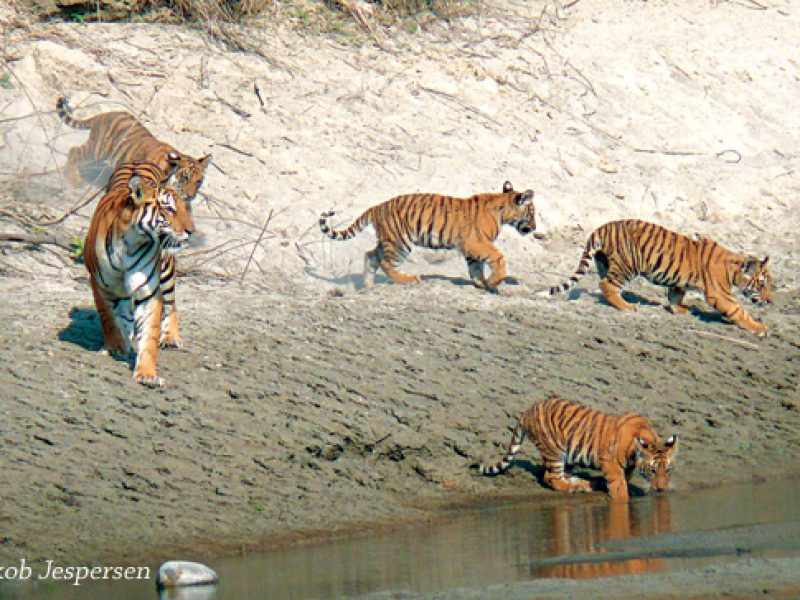
Bardiya National Park, located in the heart of Nepal’s western region, is a true hidden gem for nature enthusiasts. Spanning over 968 square kilometers, this wildlife haven is a must-visit for eco-tourists and wildlife lovers. The park is renowned for its rich biodiversity, offering a safe haven for Bengal tigers, one-horned rhinoceros, elephants, and countless bird species. If you’re seeking an unforgettable adventure in the wild, Bardiya National Park should be at the top of your travel list. With its untouched beauty and diverse ecosystems, it promises an authentic, off-the-beaten-path experience that will leave you in awe of Nepal’s natural wonders.
Bardiya National Park is one of Nepal’s best-kept secrets, often overshadowed by the more famous Chitwan National Park. What makes Bardiya a hidden gem is its seclusion and peaceful atmosphere, offering a more serene experience for travelers. Unlike the crowded tourist spots, Bardiya allows visitors to explore the wilderness in a quiet, less commercialized environment. The park’s pristine landscapes, including its dense forests, grasslands, and rivers, provide the perfect backdrop for wildlife safaris and nature exploration. If you’re looking for an unspoiled destination away from the crowds, Bardiya is the perfect nature retreat in Nepal.
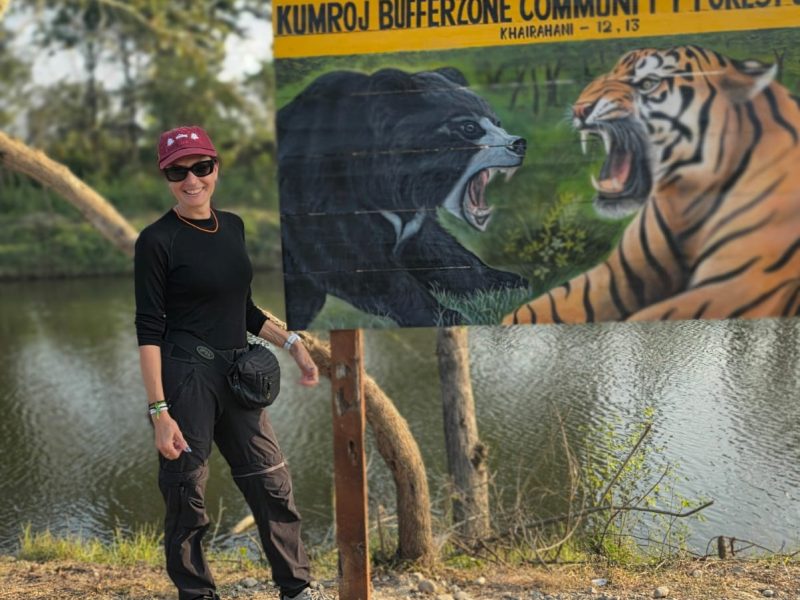
Bardiya National Park is a true paradise for nature lovers and wildlife photographers. The park is home to a rich variety of ecosystems, ranging from wetlands to dense jungle, offering a safe habitat for endangered species like the Bengal tiger and the one-horned rhinoceros. The park is also a haven for birdwatchers, with over 300 species of birds, including the rare sarus crane and the majestic peafowl. Whether you’re embarking on a jungle safari or a peaceful nature walk, Bardiya provides a unique and authentic wildlife experience. It’s the ultimate destination for anyone looking to immerse themselves in Nepal’s wild beauty and untamed landscapes.
In this blog, we’ll explore the many reasons why Bardiya National Park is one of Nepal’s most incredible natural wonders. Expect to learn about the best times to visit, the diverse wildlife you’ll encounter, and the exciting activities like wildlife safaris, bird watching, and river tours. Whether you’re an adventure seeker, a wildlife enthusiast, or simply looking to experience the tranquility of nature, Bardiya has something special to offer. Join us as we uncover the hidden treasures of Bardiya National Park, a must-visit destination for anyone passionate about nature and wildlife in Nepal.
1. Geographical Location
Bardiya National Park is situated in the Terai lowlands of western Nepal, in the Bardiya District of Lumbini Province. It covers about 968 km² and lies along the eastern bank of the Karnali River, with the Babai River flowing through part of it.
The northern boundary of the park is marked by the crest of the Siwalik (or Churia) Hills, and to the south it merges into flat Terai plains.
Because it is in the Terai region, the terrain is mostly flat or gently undulating and covered in sal forest, grassland and riverbeds — giving it a very different character from the Himalayan parts of Nepal.
2. How to Get There – By Flight
If you want a faster and less tiring journey, you can travel to the park by air. The best gateway airport is Nepalgunj Airport (in the city of Nepalgunj). From the capital Kathmandu you can catch a domestic flight (about 50–60 minutes) to Nepalgunj. Once you arrive in Nepalgunj, you then take a road drive (bus, private car or jeep) of about 2–3 hours (depending on road and traffic conditions) to reach the nearby village of Thakurdwara or other park‑entry areas.
3. How to Get There – By Road / Bus / Private Vehicle
If you prefer travelling by road or bus (and are less pressed for time), there are direct bus services from major cities. For example, from Kathmandu you can take a bus that goes to the Terai and eventually to Bardiya; the journey can take 14–17 hours (or more) because of distance and road conditions.
From nearby major cities in the region (such as Pokhara or Lumbini) there are also bus connections: for example from Pokhara it may take 12‑14 hours.
If you are driving your own vehicle or hiring a private car, you will use the East‑West Highway (Mahendra Highway) and then turn off towards the Bardiya region. One common access point is the village of Thakurdwara, about 15 km from the bus stop at Ambassa/Bhurigaun.
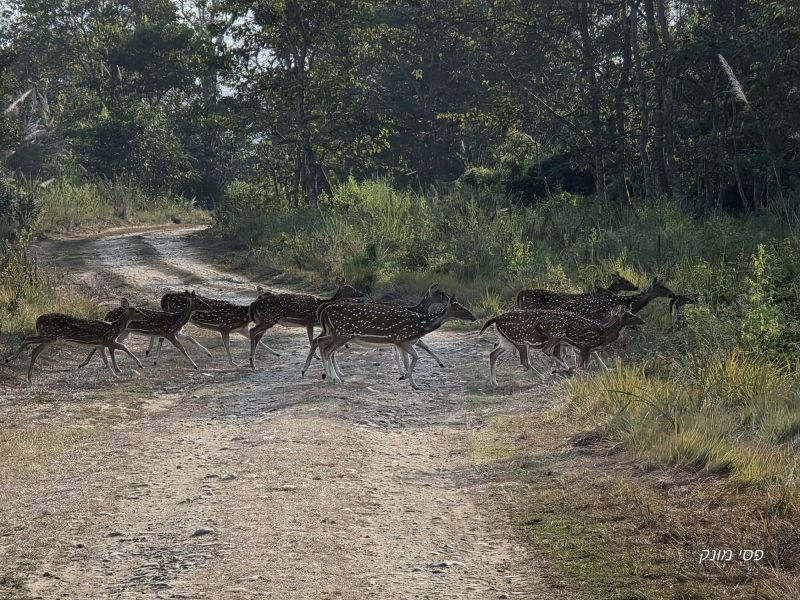
Bardiya National Park, located in the lowland region of western Nepal, was established in 1988. The park covers an area of 968 square kilometers and is known for its rich biodiversity and picturesque landscapes. Initially, it was set up to protect the endangered wildlife and preserve the natural habitats of this region, which were under threat from poaching, deforestation, and human encroachment. Since its creation, the park has become an important sanctuary for many rare species, including the Bengal tiger and the one-horned rhinoceros.
The establishment of Bardiya National Park was a response to the declining wildlife population in Nepal’s Terai region. The government of Nepal, along with international conservation organizations, recognized the need to protect these precious natural resources. Over the years, the park has grown to become a crucial area for wildlife conservation efforts. Its dense forests, grasslands, and wetlands provide a safe environment for various species, making it one of Nepal’s most significant conservation areas.
Wildlife protection in Bardiya National Park has always been a priority. To ensure the safety of animals, the park has a dedicated team of park rangers and a strong anti-poaching program. These efforts have been vital in curbing illegal hunting activities and controlling the trade of animal parts. The park’s success in preserving wildlife has made it a model for conservation practices, not just in Nepal, but also in other parts of the world. Today, Bardiya National Park is a thriving hub for wildlife lovers and nature enthusiasts.
Through continuous conservation work and the implementation of sustainable practices, Bardiya National Park has become a shining example of how protected areas can help restore biodiversity and preserve ecosystems. With its rich history and ongoing dedication to wildlife protection, the park continues to play a crucial role in maintaining the delicate balance of Nepal’s natural heritage, attracting tourists and conservationists alike who want to experience Nepal’s wildlife in its most natural form.
Bardiya National Park is a hidden gem in Nepal, home to an incredible variety of wildlife. The park is famous for its population of Royal Bengal tigers, elephants, and one-horned rhinos. It’s also a haven for rare bird species, making it a paradise for nature lovers and wildlife enthusiasts. These magnificent creatures roam freely in the park’s vast forests and grasslands, offering a truly unforgettable experience for visitors. Bardiya is a place where the jungle comes alive with animals you rarely see in other parts of the world.
The biodiversity in Bardiya is truly unique, and it’s one of the most important ecosystems in Nepal. The park supports a delicate balance of flora and fauna, with everything from towering trees to tiny insects playing a role in the health of the environment. This diverse ecosystem helps maintain the region’s climate and provides a home for numerous species that depend on the park for survival. Protecting such biodiversity is crucial, as it contributes to global ecological health and offers us vital resources like clean air and water.
Conservation efforts in Bardiya National Park have made a real difference over the years. Thanks to dedicated teams of park rangers and conservation organizations, the population of tigers, elephants, and rhinos has grown. Anti-poaching initiatives, habitat restoration, and sustainable tourism have all played a part in these successes. These efforts show that with the right approach, we can protect endangered species and restore their habitats, giving them a chance to thrive for generations to come.
Preserving Bardiya’s wildlife and biodiversity is not just about protecting animals; it’s about maintaining the health of the planet. When we protect parks like Bardiya, we are also safeguarding the natural world that supports us all. By supporting conservation efforts, we help ensure that future generations can experience the beauty of this incredible ecosystem. Whether it’s through eco-friendly tourism or supporting local conservation projects, every action counts in the fight to protect this irreplaceable wildlife haven.
Bardiya National Park offers an exciting adventure for nature lovers and wildlife enthusiasts. You can go on a thrilling jungle safari, either by jeep or on the back of an elephant. These safaris allow you to explore the rich wildlife of the park, where you might spot tigers, rhinos, elephants, and various species of birds. The jeep safari is a comfortable way to cover large areas, while the elephant safari gives you a unique and close-up view of the jungle.
Bird watching is another must-do activity in Bardiya. The park is home to over 400 species of birds, making it a paradise for birdwatchers. You can take a peaceful nature walk along the park’s trails, where you’ll see various birds in their natural habitat. Whether you’re an experienced birdwatcher or just starting, Bardiya provides an incredible opportunity to see some of the most beautiful and rare species of birds in Nepal.
A visit to the Crocodile Breeding Centre is a fascinating experience in Bardiya. Here, you can learn about the conservation efforts to protect the endangered crocodile species. It’s a great place for families and educational tours to understand the importance of wildlife preservation. You can watch these fascinating creatures up close and gain insights into the efforts being made to increase their population.
For those who enjoy water activities, fishing and boating on the Karnali River are popular choices. The river offers a peaceful and scenic environment where you can enjoy a relaxing boat ride or try your hand at fishing. Don’t forget to immerse yourself in the local culture by visiting the nearby Tharu communities. The Tharu people are known for their vibrant traditions, and a cultural experience with them will give you a deeper understanding of the area’s history and way of life.
The best time to visit Bardiya National Park is during the dry season, from October to March, when the weather is cooler, and wildlife sightings are more frequent. During these months, the temperature is comfortable, ranging from 20°C to 30°C, making it perfect for exploring the park. The dry season also brings clearer skies, which enhances your chances of spotting animals like tigers, rhinos, and elephants. With less vegetation and fewer water sources, animals tend to gather around the few remaining waterholes, making sightings easier.
From April to June, temperatures rise, especially in May and June, reaching up to 40°C, which can make the visit quite hot and less comfortable. However, this time can still offer good wildlife sightings, especially early in the morning or late in the evening when the animals are more active. It’s a quieter period in terms of tourists, so you can enjoy a more peaceful experience, though the heat may limit your activities.
The monsoon season (June to September) brings heavy rains, making the trails slippery and harder to navigate. Wildlife sightings are also limited as animals tend to stay hidden from the rain. This is considered the off-season for Bardiya, but for nature lovers, the lush greenery and rejuvenated ecosystems are a different charm to witness. If you’re okay with the rain and prefer solitude, this could be a unique time to visit.
For the best experience, plan your visit during the peak dry season (October to March). This is when the park is most accessible, with the best chance of spotting wildlife and enjoying the various activities like jeep safaris, jungle walks, and bird watching. It’s also the best time to enjoy the park’s rich flora and fauna while the weather remains pleasant. Book your trip in advance to ensure a smooth, unforgettable adventure in Bardiya National Park, one of Nepal’s most stunning wildlife destinations!
Bardiya National Park in Nepal offers a wide range of accommodation options to suit every traveler’s needs. Whether you’re looking for a luxurious stay, a mid-range hotel, a budget-friendly guesthouse, or an eco-lodge, there’s something for everyone. For those who want to indulge in luxury, there are high-end resorts offering world-class amenities and stunning views of the park’s natural beauty. If you’re on a budget, you can find comfortable guesthouses and budget hotels that provide basic facilities but still ensure a pleasant stay. For those interested in a more eco-friendly option, eco-lodges located near the park are perfect for travelers looking to minimize their environmental impact.
For a truly immersive experience, consider staying at places located within or close to Bardiya National Park. These accommodations offer easy access to the park’s main attractions, including the famous jungle safari tours. Staying in the park area allows you to fully experience the natural surroundings and wildlife, with many properties offering guided tours and activities like bird watching, nature walks, and jeep safaris. Popular lodges near the park include the Bardiya Jungle Cottage and the Karnali Lodge, which are known for their great service and prime locations near the park’s entrance.
One unique and unforgettable accommodation option is staying in traditional Tharu-style huts. These huts are built in the traditional Tharu architectural style, offering a glimpse into the culture of the local Tharu people. Staying in these huts is not just about comfort; it’s also a chance to experience the region’s rich cultural heritage. These accommodations often feature local designs, thatched roofs, and simple, yet cozy interiors. They are located in peaceful, natural settings and give you the opportunity to connect with local traditions while enjoying a unique and authentic stay.
The benefits of staying in Tharu-style huts go beyond just a cultural experience. These huts are often located in peaceful, rural settings away from the hustle and bustle of city life, providing a serene and relaxing atmosphere. You can enjoy the sounds of nature, such as the rustling of leaves and the calls of birds, making it a perfect getaway for nature lovers. Plus, by choosing this option, you support local communities and contribute to sustainable tourism practices, as many of these huts are managed by local Tharu families. It’s a great way to enjoy the charm of Bardiya National Park while supporting the local economy and culture.
When you visit Bardiya National Park, one of the best ways to make the most of your experience is by hiring a local guide. These guides are experts in the park and know all the best spots to see wildlife. They can help you spot animals that might be hard to find on your own, like tigers, rhinos, and various bird species. With a local guide, you’ll get more than just a tour – you’ll gain insights into the park’s history, the animals, and the efforts being made to protect the environment. Their knowledge enhances your trip, making it a lot more memorable and meaningful.
The guides at Bardiya are highly trained and experienced, with many years of knowledge about the park’s wildlife and conservation work. They understand animal behavior and know where animals are most likely to be found, which means you have a better chance of seeing rare species in their natural habitat. These guides also explain the importance of preserving the park’s ecosystem and how conservation efforts are helping to protect endangered species. This type of learning adds value to your visit, as you’ll understand the park’s deeper significance.
There are several guided tours available, catering to different interests and needs. Whether you prefer a jungle walk, a jeep safari, or a bird-watching tour, there’s something for everyone. These tours often come in packages that include transportation, meals, and even accommodations. Local guides are part of the package, and they work with the tour company to ensure you have the best possible experience. With their help, you’ll be able to see the park from a new perspective and truly connect with the wildlife and surroundings.
By booking a guided tour, you’re not only ensuring a richer experience but also supporting the local community. Many of these guides are from nearby villages, and hiring them directly helps provide them with employment, which in turn boosts the local economy. In addition, by joining a guided tour, you contribute to sustainable tourism, ensuring that Bardiya National Park remains a thriving, protected area for generations to come. So, make sure to choose a local guide to fully enjoy the park’s beauty while supporting the community and conservation efforts.
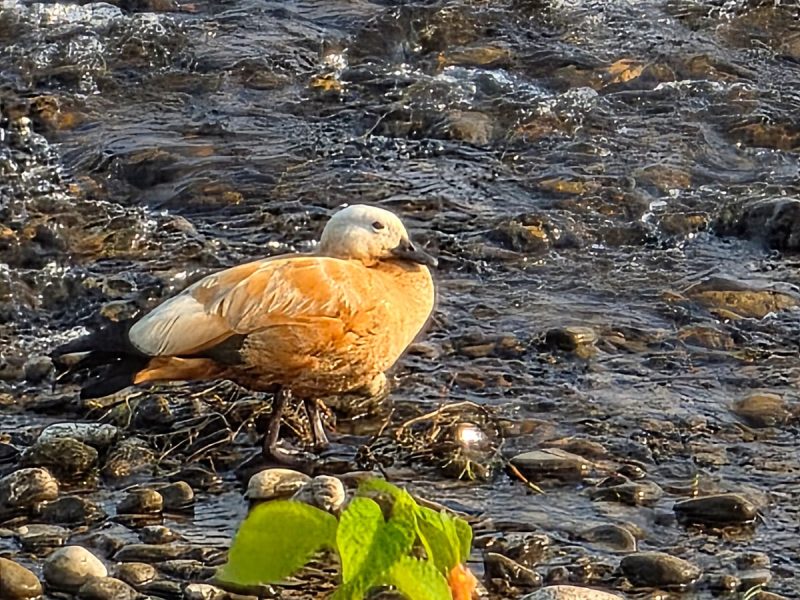
Bardiya National Park isn’t just about wildlife; there are many other exciting places to explore nearby. One of the most popular spots is the Babai River, which flows through the park. It’s perfect for a peaceful boat ride or even a picnic by the riverbank. The surrounding scenery is breathtaking, with lush forests and hills that make for a perfect backdrop. Many travelers visit Babai River for a serene experience away from the busy city life.
If you’re looking for a bit more adventure, don’t miss out on Karnali Bridge, one of the most iconic landmarks near Bardiya. It offers stunning views of the surrounding landscapes and is a great spot for photography. The bridge is also a popular starting point for treks in the area, where you can enjoy the natural beauty of the Terai region. Whether you’re a photographer, trekker, or just a nature lover, Karnali Bridge is a must-see.
A unique experience awaits you in the local villages surrounding the park. The Tharu community is known for its rich cultural heritage, and visiting these villages gives you a chance to see traditional Tharu homes, dances, and cuisine. You can learn about their customs, such as the famous Tharu dance, and even take part in local festivals. It’s a wonderful way to connect with the local culture and enjoy an authentic experience.
For adventure seekers, there are plenty of activities to do around Bardiya. You can go rafting on the Karnali River, one of the most thrilling water sports in Nepal. If you love trekking, the nearby hills and forests offer plenty of trails for all levels of hikers. Whether you’re looking for a gentle stroll through nature or a challenging hike, the region has something for everyone. With adventure activities like rafting and trekking, Bardiya National Park is the perfect place for those who want a mix of relaxation and excitement.
Packing Tips for the Trip
When preparing for your trip to Bardiya National Park, make sure to pack the right clothes and gear for your adventure. For the safari, light and breathable clothes are best, as it can get hot during the day. However, bring a jacket or sweater for the evenings when it cools down. Comfortable shoes are essential, as you’ll be walking or hiking on various terrains. Don’t forget a hat, sunglasses, and sunscreen to protect yourself from the sun. Packing a small backpack with water, snacks, and a camera is also a great idea to stay comfortable and capture the beauty of nature.
Travel Advice: What to Keep in Mind
Before you head to Bardiya, there are a few important things to keep in mind. You’ll need to secure an entry permit for the park, which can be arranged through the park authorities or a local tour operator. Always check the safety guidelines, especially when it comes to wildlife encounters. Respect the rules and listen to your guide to ensure a safe and enjoyable experience. In addition, remember to travel eco-friendly—avoid leaving trash behind, and use sustainable travel options whenever possible to protect the environment.
Preparing for a Wildlife Safari
A wildlife safari in Bardiya National Park is an exciting and memorable experience. To make the most of it, bring binoculars for birdwatching, a good camera for wildlife photos, and a sense of adventure! It’s important to stay quiet during the safari, as loud noises can disturb the animals. Be patient and observant, as the wildlife might take time to appear. You may spot Bengal tigers, rhinoceros, and various bird species, so keep your eyes peeled. Most importantly, always follow your guide’s instructions to stay safe and respectful of the animals.
What to Expect During the Trip
While exploring Bardiya National Park, expect to experience the incredible natural beauty of Nepal. You’ll be surrounded by lush forests, rivers, and grasslands, teeming with wildlife. The park is known for its peaceful atmosphere, so you’ll feel like you’ve entered another world. The local community and park rangers are friendly and knowledgeable, ensuring that you get the most out of your trip. Remember to be prepared for all kinds of weather, from sunny days to occasional rain showers. Keep your energy high and your camera ready for all the amazing moments you’ll capture during your trip!
Bardiya National Park offers an unforgettable experience for anyone who loves nature. Whether you’re into wildlife, adventure, or just soaking in the beauty of the great outdoors, this park has it all. From thrilling jungle safaris to peaceful boat rides, there’s something here for everyone. The park is home to exotic animals, including tigers, rhinos, and elephants, giving visitors the chance to see these majestic creatures up close. It’s a place where nature truly comes alive, offering a perfect escape from the hustle and bustle of everyday life.
As you explore the park, you’ll discover the diverse landscapes – from lush forests to serene rivers. Each corner of Bardiya is packed with natural wonders, making it an ideal spot for wildlife photography, bird watching, and nature walks. If you’re an adventure seeker, you’ll love the excitement of tracking wild animals through the jungle or cruising down the Karnali River. The experience at Bardiya is one you’ll remember for a lifetime.
Planning your trip to Bardiya National Park is easy, and it’s something you’ll want to do sooner rather than later. The park’s natural beauty and rich wildlife are waiting for you to explore. Whether you’re traveling alone, with friends, or with family, Bardiya offers a unique adventure that can bring everyone closer to nature. Don’t miss out on the chance to experience one of Nepal’s most amazing destinations.
Call to Action:
Don’t wait – book your Bardiya adventure today! Dive into the heart of nature and create memories that will last forever. The wild beauty of Bardiya National Park is just a click away. Start planning your trip now and experience nature like never before!
Call/WhatsApp: +977-9851218358 | +977-9841937489
Email: info@natureheaventrek.com | natureheaventrek@gmail.com
Address: Pakjonal Marga-16, Thamel, Kathmandu, Nepal
Website: https://natureheaventrek.com/